How would you respond if a child in your care became unresponsive and stopped breathing — and could you intervene quickly enough to influence the outcome?
If you hesitate—even momentarily—that indicates an urgent need to obtain competency in pediatric resuscitation and first aid. At AidCPR, a ChildCareEd company, we provide evidence-informed CPR, First Aid, and BLS instruction for childcare providers, #summer camps, healthcare professionals, and security personnel. Explore ChildCareEd course options such as Pediatric First Aid & CPR Buy Now $95.00 and First Aid & CPR (Blended) Buy Now $85.00$80.00 to select a delivery model that aligns with your program needs. Our courses are efficient and pragmatic; they are designed to strengthen provider confidence while fitting into busy professional schedules.
Why does CPR training matter?
Each #summer, thousands of children face medical emergencies—#drowning, choking, allergic reactions, or sudden cardiac arrest. When seconds count, being trained in #CPR and First Aid can mean the difference between life and death.
Imagine this:
A toddler at a summer camp finishes lunch, then suddenly starts choking. The camp counselor—thanks to her recent CPR training—recognizes the signs, acts quickly, and performs abdominal thrusts. Within seconds, the child is breathing again. That quick thinking? It saved a life.
Being trained in #CPR gives you more than just knowledge—it gives you:
-
Confidence to take action in an emergency
-
Leadership in high-pressure situations
-
Skills that are valuable anywhere—home, work, or the community
-
Peace of mind knowing you're prepared to help a child, coworker, or loved one
Emergencies do not announce themselves; staff either possess the requisite emergency-response competencies or they do not. Our objective is to ensure your team attains and sustains those competencies so they can respond effectively under pressure.
How can we make CPR training easy and convenient?
Based in Gaithersburg, MD, we’re just a short drive from Frederick, Columbia, Rockville, Germantown, and even Baltimore. Can’t make it to us? No problem—we’ll come to you if you’ve got a group.
You can choose from:
-
In-person training Buy Now $95.00at our Gaithersburg location
-
Blended learning Buy Now
$85.00$80.00 (online coursework + in-person skills session) -
On-site group classes at your facility—perfect for #daycares, camps, and clinics
Who should take CPR and First Aid training?
We train:
-
Childcare providers and #preschool teachers
-
Camp counselors and recreation staff
-
Security professionals
-
Healthcare workers (including BLS for Healthcare Providers)
Every course includes instruction on CPR for adults, children, and infants, #AED use, #choking relief, and how to confidently respond in a crisis.
How can you save money while getting trained?
To celebrate summer, we’re offering:
-
Seasonal discounts are available on CPR & First Aid courses; check our site for current offers. Blended Buy Now
$85.00$80.00, In Person Buy Now $95.00, BLS Buy Now $85.00 -
$20 off when you combine CPR training with Medication Administration
Get certified. Save money. Be a hero.
Don’t Wait for a Scare to Get Prepared
#Emergencies don’t wait for you to be ready—they just happen. You might think, “It won’t happen to me,” but the truth is: it can. It does. And when it does, you’ll want the confidence that CPR training brings. Make sure you know, What Would You Do If a Child in Your Care Stopped Breathing?
So ask yourself again: Are you ready to save a life this summer?
If the answer isn’t a firm YES, let’s change that—together.
How can I get started and prepare my team?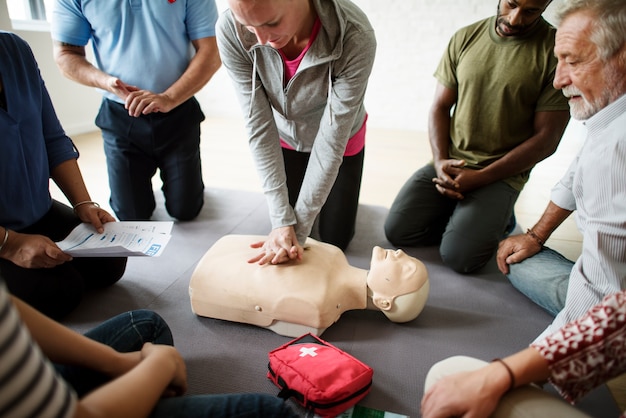
Begin with a short situational assessment: identify the ages you serve, the most likely emergency scenarios in your program (drowning risk at pool or lake activities, food allergy/anaphylaxis, choking, asthma exacerbations), and who must maintain certification under your licensing or employer policy. Choose training that aligns with those needs: In-Person Pediatric First Aid & CPR Buy Now $95.00 or the Blended First Aid & CPR Buy Now $85.00$80.00 option for flexible delivery. If your setting requires clinical-level resuscitation competencies, consider Basic Life Support (BLS) Buy Now $85.00 for healthcare staff.
Operational checklist (use this to prepare a staff plan):
- Assess roles and coverage: list staff who will be on duty for water activities, meal/snack periods, and naptimes.
- Match training level to duty: infant/toddler caregivers require pediatric-first-aid competencies; healthcare personnel may need BLS.
- Schedule group skills sessions: on-site classes reduce downtime and ensure consistent skill practice; contact ChildCareEd for a group booking.
- Maintain documentation: collect certificates in personnel files and record renewal dates in a central register.
- Run quarterly drills: simulate choking, allergic reaction, and unresponsive-child scenarios; include AED retrieval and 911 activation protocols.
How do Maryland licensing rules affect staff training?
If your program operates in Maryland, consult the Maryland State Department of Education (MSDE) Early Childhood licensing guidance to determine which training formats and documentation satisfy state requirements. Acceptance of online, blended, or remote-skill verification formats can vary by licensing category and staff role; verify with your local licensing specialist before assuming any course or delivery format will meet a formal requirement.
Further reading and resources on our site: 10 Reasons this Summer to Take Pediatric First Aid and CPR with ChildCareEd, Got CPR and a Well-Stocked First Aid Kit?, First Aid and CPR: An Investment in Community Safety, Summer Fun Meets Summer Safety, and Getting Ready for the New School Year: Prioritizing Safety. These articles provide practical scheduling tips, drill templates, and guidance for basic kits and AED placement.
Next steps: identify one course format that fits your operational needs, enroll or request a group class, and set a date for a skills-practice drill within 30 days of training completion. Train at least two people in the same shift so coverage is preserved when staff rotate or are absent.
What are the essential next steps to ensure program preparedness and compliance?
Choose training that is aligned with the developmental ages you serve and the specific risk profile of your program. Document completion and renewal dates in personnel files and a central training register to maintain continuing competency and to support licensing inspections. Operationalize learning by scheduling at least one group skills-practice session within 30 days of initial training and incorporating quarterly, scenario-based drills that simulate choking, anaphylaxis, and an unresponsive child; include AED retrieval, 911 activation, and post-incident debrief protocols. Assign redundancy by training two or more staff per shift so coverage is preserved during absences. If you operate in Maryland, consult the Maryland State Department of Education (MSDE) early childhood licensing guidance to confirm which formats (in-person, blended, or online) are acceptable for staff health-and-safety competencies; verify acceptance with your licensing specialist before assuming a course automatically satisfies a requirement. Finally, integrate training completion into staff orientation and annual professional-development planning so skills remain current and institutional readiness is demonstrable during inspections. Taking these actions will increase response speed, reduce uncertainty in emergencies, and strengthen regulatory compliance.
What should you do now to be ready?
Summary: Prioritize pediatric-first-aid and CPR competency for staff who directly supervise children; document completion and renewal dates centrally; schedule a staff skills-practice session within 30 days of training; and train multiple staff members per shift to preserve coverage. Confirm format acceptance with your state licensing agency, integrate training into orientation and annual professional-development plans, and run quarterly scenario-based drills (choking, anaphylaxis, unresponsiveness) to maintain readiness. These steps improve response time, reduce uncertainty during incidents, and help demonstrate compliance during inspections.
