The Vital Role of First Aid, CPR Training, and a Well-Stocked First Aid Kit in Childcare Centers
Childcare providers shoulder an essential duty: ensuring the safety, health, and developmental well-being of children in their care. Emergencies — from minor abrasions to acute, life‑threatening events — can occur without warning; effective preparedness therefore requires procedural competence, situational judgment, and ready access to appropriate clinical supplies. Equipping staff with accredited pediatric first aid and CPR instruction (for example, ChildCareEd's Pediatric In-Person First Aid & CPR/AED Buy Now $95.00 or the blended Pediatric Blended First Aid & CPR/AED Buy Now $85.00$80.00) and conducting scenario-based drills improves on-scene decision-making and reduces the risk of injury escalation. AidCPR also offers hands-on programs tailored to childcare environments; for an illustrative case study see this AidCPR case overview. Nevertheless, training without appropriate equipment and a maintained first aid kit leaves centers underprepared.
In this article, we’ll explore why First Aid and CPR training is essential for childcare providers, highlight the importance of a complete first aid kit, and outline the benefits of partnering with AidCPR to meet these critical needs.
Why must childcare providers have First Aid and CPR training?
Emergencies don’t wait for convenient moments. A child can choke on a piece of food, trip and fall, or experience a medical condition requiring immediate intervention. Having the skills and confidence to act decisively in these moments can save lives and prevent further harm. For more on pediatric-focused training content and how it maps to daily practice, see Why Pediatric First Aid Training is Crucial for Daycare Providers. Here’s why First Aid and CPR training is indispensable for childcare providers:
-
Protecting Lives
-
CPR training ensures you’re prepared to handle cardiac or respiratory emergencies, which can occur even in children. Quick and effective CPR can keep a child’s brain and organs supplied with oxygen until professional help arrives.
-
-
Handling Choking Emergencies
-
Choking is one of the most common emergencies in childcare settings. Knowing how to perform abdominal thrusts (or back slaps and chest thrusts for infants) can clear a child’s airway and save their life.
-
-
Addressing Injuries
-
From deep cuts to burns, First Aid training equips you to manage injuries appropriately, minimizing pain and risk of infection until medical help can take over.
-
-
Compliance with Licensing Requirements
-
Many states require childcare providers to maintain current first aid and CPR certifications; Maryland licensing frequently expects staff to document approved pediatric first aid/CPR competency. Providers should confirm specific role- and program-type requirements with their licensing specialist. Programs located in Maryland should verify acceptance and any role-specific requirements with the Maryland State Department of Education (MSDE) Office of Child Care or with their state licensing specialist. ChildCareEd offers MSDE-aligned health and safety training (see our Basic Health & Safety Buy Now $35.00 course) and pediatric first aid/CPR options that centers commonly use to support compliance, but acceptance ultimately depends on the licensing agency and the applicable regulation. Always verify course acceptance with your state licensing representative before relying on any single course to satisfy regulatory obligations.
-
-
Confidence During Emergencies
-
Panic can hinder your ability to act in a crisis. Training builds confidence and ensures you remain calm, collected, and ready to respond effectively.
-
Why is a complete and properly maintained first aid kit essential for childcare centers?
While training provides the knowledge and skills to respond to emergencies, a well-stocked first aid kit ensures you have the tools to apply those skills. A comprehensive first aid kit tailored to childcare settings is a non-negotiable asset.
Why a Complete First Aid Kit Matters:
-
Quick Access to Necessary Supplies
-
Time is critical during emergencies. A stocked kit ensures you have the supplies you need at your fingertips.
-
-
Compliance with Regulations
-
Childcare centers must meet state and local safety requirements, which often include having specific items in their first aid kits. Refer to our First Aid Kit Checklist Buy Now $0.00 to ensure your kit meets all standards. The American Red Cross provides a practical, detailed inventory and guidance for checking kit contents and expiration dates, which can help programs maintain readiness (American Red Cross: Make a First Aid Kit).
-
-
Preparedness for a Variety of Scenarios
-
From adhesive bandages to antiseptic wipes and #emergency blankets, a complete kit prepares you to handle minor injuries and more severe situations (see Building a First Aid Kit That Kids (and Caregivers) Can Count On for practical packing tips).
-
-
Peace of Mind for Parents
-
Parents trust you to keep their children safe. A visible, well-maintained first aid kit reassures families that you prioritize safety and are ready to handle emergencies.
-
What Should Your First Aid Kit Include?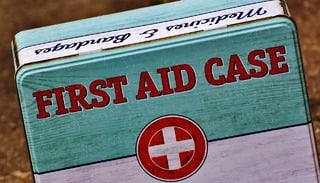
The contents of your first aid kit should align with childcare-specific needs. Using our First Aid Kit Checklist Buy Now $0.00 as a guide, ensure your kit contains:
-
Basic Supplies: Bandages, adhesive tape, and gauze pads for minor wounds.
-
Wound Cleaning Materials: Antiseptic wipes, saline solution, and gloves to prevent infection.
-
Tools: Scissors, tweezers, and a thermometer for precise care.
-
Emergency Items: Instant cold packs, emergency blankets, and a CPR face shield.
-
Medications: Antihistamines, pain relievers (as allowed), and a first aid manual for quick reference.
It’s equally important to:
-
Regularly check and restock supplies (see First Aid Kit Makeover: What’s in Yours? for a restock checklist).
-
Replace expired items promptly.
-
Train your team on the location and proper use of the kit’s contents and on emergency plans; our article How can childcare centers create effective emergency preparedness plans? outlines practice drills and documentation strategies.
Why choose AidCPR for First Aid and CPR training?
AidCPR understands the unique challenges faced by childcare providers. Our First Aid and CPR courses are tailored to ensure you’re equipped with practical knowledge, hands-on skills, and the confidence to act in any emergency. You will also learn how to use an AED in these training and you can understand why AED training is critical in Why AED Knowledge is a Must Have Skill for ALL Caregivers. Here’s why childcare providers love AidCPR:
-
Comprehensive Course Offerings
-
We provide Pediatric First Aid, #CPR, and Basic Life Support (#BLS) courses designed specifically for childcare providers, #teachers, and #healthcare professionals.
-
-
Convenient Training Options
-
AidCPR offers both blended and in-person training conveniently located in Gaithersburg, MD. For the blended, complete the online portion at your own pace, then join a hands-on skills session at our Gaithersburg, MD location OR at your center.
-
-
Meets Licensing Requirements
-
Our courses align with Maryland’s childcare licensing requirements, giving you peace of mind and ensuring your center stays compliant.
-
-
Expert Instructors
-
Learn from experienced instructors who understand the unique needs of childcare providers and offer practical, real-world insights.
-
-
Team Training Available
-
We can provide on-site skills and drills sessions for your entire #staff, ensuring everyone is prepared and certified.
-
How can you put this into practice at your childcare program?
Start by auditing your current training and supplies: confirm at least one staff member per shift holds pediatric-first-aid/CPR certification, ensure an accessible, labeled first aid kit is on-site and complete, and schedule quarterly practice drills that include choking and evacuation scenarios. Consider team training options (on-site or blended) so all staff demonstrate hands-on competence and are familiar with AED location and use. If you need courses, ChildCareEd offers multiple formats, including the in-person Pediatric In-Person First Aid & CPR/AED Buy Now $95.00 and the blended Pediatric Blended First Aid & CPR/AED Buy Now $85.00$80.00, while ChildCareEd's Basic Health & Safety Buy Now $35.00 course supports MSDE alignment for Maryland providers. Always verify course acceptance with your licensing representative.
What are the key takeaways and next steps?
In summary: prioritize ensuring staff maintain current pediatric first aid and CPR certification; implement and document a schedule for inspecting and restocking a clearly labeled first aid kit; conduct recurring, scenario-based drills (including choking and evacuation scenarios); and keep contemporaneous records of all training and equipment checks. Practical next steps: 1) enroll at least two staff members in pediatric first aid/CPR; 2) adopt and log a written kit-check schedule; and 3) conduct and document a full-staff practice drill. Programs in Maryland should confirm course acceptance and any staffing or documentation requirements with the Maryland State Department of Education (MSDE) licensing office or their state licensing specialist. For course enrollment, use the ChildCareEd course pages above; for kit contents consult the American Red Cross guidance cited earlier in this article.
Empower Your Team. Protect Young Lives. Enroll in Pediatric First Aid & CPR training Buy Now $95.00 today.
- Give the Gift of Life This Holiday: Take CPR Training with AidCPR
- Got CPR and A Well-Stocked First Aid Kit?
- Become the Hero Every Parent Trusts: Take Pediatric First Aid & CPR with AidCPR Today!
- CPR Training: Because Glue Sticks Can’t Fix Everything!
- 🚨 Emergencies Don’t Make Appointments!
- 🌞 Don't Let Summer Fun Turn Scary — Be CPR Ready with AidCPR!
- ❤️Goldfish, Glue Sticks & 911: Why CPR & First Aid Is Non-Negotiable for Childcare Providers
- Little Lives, Big Responsibility: Are You Ready to Save a Child’s Life?
- ❤️Essential First Aid Tips Every Parent and Caregiver Should Know
- Why Do CPR and First Aid Certifications Expire After 2 Years?
- Building a First Aid Kit That Kids (and Caregivers) Can Count On
- A Kid-Friendly Guide to Choking
