In emergencies where seconds can determine survival, possessing both the clinical knowledge and procedural confidence to respond decisively is essential. Automated External Defibrillators (AEDs) are portable defibrillation devices that, when deployed promptly and in conjunction with high-quality cardiopulmonary resuscitation (CPR), markedly increase the probability of restoring a perfusing cardiac rhythm after sudden cardiac arrest. For caregivers—whether they are daycare providers, teachers, healthcare professionals, or parents—competence in AED operation, integration into the local emergency response plan, and familiarity with basic post-resuscitation considerations constitute a professional responsibility.
AidCPR offers comprehensive training in Pediatric First Aid, CPR, and Basic Life Support (BLS) for Healthcare Providers, ensuring caregivers acquire practical AED competency. For caregivers seeking additional or complementary options, ChildCareEd provides blended and in-person programs such as Pediatric Blended First Aid & CPR/AED Buy Now $85.00$80.00 and Basic Life Support (BLS) for Healthcare Providers Buy Now $95.00. These curricula emphasize the chain of survival—early recognition, early high-quality CPR, rapid defibrillation, and expedited advanced care—and integrate deliberate skills practice with workplace emergency-response protocols. Below we explain why AED training matters, which practical skills to prioritize, and how to choose a course that meets your role and licensing requirements.
Why is AED knowledge important for caregivers?
1. Saving Lives in Cardiac Arrest Emergencies
Sudden cardiac arrest (SCA) can happen to anyone, anywhere, and at any time. SCA is a condition where the heart unexpectedly stops beating due to an electrical malfunction. Without immediate intervention, SCA can lead to death within minutes. An AED, combined with CPR, can restore the heart’s normal rhythm and increase survival rates by up to 70% when used promptly.
Caregivers frequently constitute the immediate response network in emergencies affecting the children and adults for whom they are responsible; possessing AED competency enables decisive, clinically informed actions during these critical intervals.
2. High Survival Rates with Early AED Use
The American Heart Association (AHA) highlights that every minute without defibrillation decreases the chances of survival by 7–10%. Knowing how to use an AED allows caregivers to act swiftly, even before #emergency medical services arrive. By delivering a shock within minutes, they can improve outcomes significantly (see the American Red Cross on the importance of CPR and AED training: American Red Cross).
3. Empowerment Through Preparedness
For caregivers, confidence in handling emergencies is key. AED training doesn’t just teach the mechanics of operating the device; it fosters a sense of readiness and empowerment. Caregivers who are trained feel less panic and more control in high-pressure situations, enabling them to provide timely and effective assistance.
What are the benefits of AED training for caregivers?
1. Enhanced Safety in Care Environments
Whether in a daycare center, classroom, or healthcare setting, AED knowledge ensures a safer environment for everyone. Caregivers with AED training can address cardiac emergencies effectively, providing peace of mind to families and staff. Read more about community-wide benefits of training in our article: First Aid and CPR: An Investment in Community Safety.
2. Versatility Across Age Groups
AEDs are designed for use on adults, children, and even infants with the appropriate settings or pediatric pads. This versatility is vital for caregivers, who may need to assist individuals of varying ages. For practical tips specific to pediatric first aid and CPR, see Pediatric First Aid and CPR Training with ChildCareEd.
3. Meeting Legal and Regulatory Requirements
Many states mandate CPR and AED training for childcare providers, teachers, and healthcare workers. Completing an AED certification course ensures compliance with these regulations while also enhancing professional credentials. Learn why pediatric first aid training is often required for daycare staff in our article: Why Pediatric First Aid Training is Crucial for Daycare Providers.
4. Team Dynamics and Leadership
In emergencies, caregivers often need to work as a team. AED training emphasizes effective communication, delegation, and teamwork. These skills not only benefit emergency responses but also improve overall collaboration in the workplace. For more on empowerment and teamwork in life-saving training, see First Aid & CPR ~ Empowerment Through Lifesaving Skills.
5. Career Advancement Opportunities
For healthcare professionals, teachers, and daycare providers, AED certification can be a valuable addition to their resumes. Employers value candidates who are certified in life-saving techniques, and in some cases, it may even be a requirement. Also consider practical readiness: see Got CPR and A Well-Stocked First Aid Kit? for a checklist that complements certification.
What practical skills and readiness steps should caregivers prioritize for AED readiness?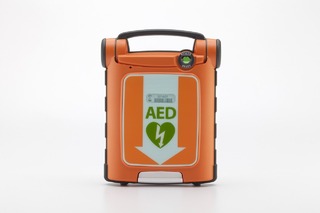
Knowing how to place pads and deliver a shock is necessary but not sufficient for dependable AED response in a child care setting. Maintain operational readiness by delineating roles and responsibilities, locating and mapping AED(s) within the facility, and conducting iterative, scenario-based drills so each staff member practices a discrete function (e.g., summoning emergency medical services, initiating high-quality CPR, retrieving the AED, establishing scene safety, and documenting the incident). Implement routine readiness checks—visual inspection of the status indicator, verification of pad expiration dates, and battery-condition assessments—and ensure pediatric attenuation pads and age-appropriate equipment are immediately available where infants and children are served. Position the unit in an unobstructed, clearly signed location with an established retrieval pathway rather than in lockable storage that could impede response time. After an event, perform structured incident reporting, a facilitated debrief focused on system improvements, and prompt restocking of consumables to restore readiness.
Training format matters: while blended or remote instruction effectively conveys cognitive frameworks and decision algorithms, hands-on, instructor-led practice is essential to build psychomotor skills and reduce hesitation. ChildCareEd offers both blended and in-person options; for example, see Pediatric Blended First Aid & CPR/AED Buy Now $85.00$80.00 for childcare-focused blended training and CPR & AED — Adult only Buy Now $70.00 for adult-focused scenarios. Always confirm course acceptance with your licensing agency or employer before assuming a course satisfies a regulatory requirement.
Why choose AidCPR for AED and CPR training?
AidCPR specializes in providing tailored courses for caregivers, focusing on practical skills and knowledge to handle emergencies confidently. Here’s why caregivers should choose AidCPR for their training needs:
1. Comprehensive Curriculum
AidCPR’s courses cover AED use as part of their CPR and BLS programs. Participants learn how to assess emergencies, perform high-quality CPR, and operate AEDs effectively.
2. Flexible Learning Options
AidCPR offers blended and in-person training options to fit caregivers’ schedules. Blended courses combine online learning with hands-on practice, allowing participants to learn at their own pace while still gaining practical experience. Read about the benefits and limits of remote/RSV skills training in our piece: The Benefits of CPR Remote Skills Training.
3. Focused on Caregivers’ Needs
The training at AidCPR is designed with caregivers in mind, addressing the specific challenges and scenarios they may face. Whether you’re a daycare provider managing a room full of children or a healthcare worker in a fast-paced environment, AidCPR’s training prepares you for real-world situations.
4. Convenient Locations and On-Site Training
AidCPR provides training at its Gaithersburg, MD location and can also conduct skills and drills sessions at your workplace. This flexibility ensures caregivers can access quality training without disrupting their busy schedules.
5. Expert Instructors
AidCPR’s courses are taught by experienced professionals who provide personalized guidance and feedback. This ensures participants gain a thorough understanding of AED use and feel confident applying their skills in emergencies.
6. Certification That Matters
Upon completion, participants receive certification that meets the HSI standards. This credential is widely recognized and often required for professional caregivers, adding credibility to their skillset.
How do I get AED certified with AidCPR?
- Choose the Right Course: Select from AidCPR’s Pediatric First Aid, #CPR, or #BLS courses based on your role and requirements.
- Register Online: Sign up for the course that fits your schedule and learning preferences.
- Complete the Online Component: For blended courses, complete the online learning modules at your convenience.
- Attend Hands-On Training: Participate in an interactive session to practice AED use and CPR techniques with expert instructors.
- Earn Your Certification: Receive your certification upon successful completion, equipping you with life-saving skills.
For alternative or supplemental training options, ChildCareEd offers courses such as CPR & AED — Adult only Buy Now $70.00 and the in-person Pediatric In-Person First Aid & CPR/AED Buy Now $95.00. Confirm course acceptance with your licensing agency or employer before assuming a course satisfies a requirement.
Summary: What should caregivers remember about AED training?
AED knowledge is a critical skill for all caregivers, ensuring they are prepared to act decisively in cardiac emergencies. Whether you are a daycare provider, teacher, healthcare professional, or parent, understanding how to use an AED can save lives, provide peace of mind, and enhance your professional credentials.
AidCPR’s specialized training programs empower caregivers with the skills and confidence to handle emergencies effectively. Don’t wait until an emergency strikes—be proactive and equip yourself with AED knowledge today. Sign up for a course with AidCPR and take the first step toward becoming a life-saving hero.
- Why Pediatric First Aid Training is Crucial for Daycare Providers
- Got CPR and A Well-Stocked First Aid Kit?
- 🫀Everyday Heroes: Why the Average Person Needs to Be CPR Certified
- 🫁Lifesaving Made Simple: How Easy It Is to Get CPR & First Aid Certified with AIDCPR
- When a Child Collapses: What Can You Do Before EMS Arrives?
