Latest Blog & News
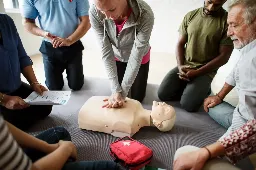
Camp-Ready & CPR-Certified: Be Prepared for Every Summer Adventure
05/07/2025Summer programs and daycare operations concentrate physical activity and supervision demands, elevating the incidence of injuries and acute pediatric health events. Program leaders and direct-care staff must function as competent first responders; equipping every caregiver with Pediatric First Aid a... Camp-Ready & CPR-Certified: Be Prepared for Every Summer Adventure

When a Baby Stops Breathing: How to Respond with Pediatric CPR
10/07/2025When a Baby Stops Breathing: How to Respond with Pediatric CPR Nothing is more terrifying than a baby who stops breathing. This article walks you through essential, calm, and effective steps to help protect infants’ lives. For structured practice, explore Pediatric Blended First Aid & CPR... When a Baby Stops Breathing: How to Respond with Pediatric CPR

A Kid-Friendly Guide to Choking
10/07/2025A Kid-Friendly Guide to Choking- Pediatric CPR & First Aid Do you know what to do if a child or baby chokes? Don’t wait for an #emergency to find out — this guide reviews key response principles, but it cannot replace current, hands-on instruction. Explore ChildCareEd’s Pediat... A Kid-Friendly Guide to Choking

When a Child Collapses: What Can You Do Before EMS Arrives?
10/07/2025When a Child Collapses: What Can You Do Before EMS Arrives? A child’s sudden collapse demands a rapid, organized response. This article outlines actionable steps to help caregivers assess the situation, activate emergency services, and respond while EMS is on the way. 🧊 Why Does a Child... When a Child Collapses: What Can You Do Before EMS Arrives?

Bumps, Bruises, and Bandaids: First Aid Every Educator Needs for Young Children 🩹🌟
09/09/2025A scraped knee on the playground or a small cut during classroom play can quickly turn a busy day into a moment when a child needs calm, capable care. ChildCareEd’s Pediatric Blended First Aid & CPR/AED Adult, Child, Infant course combines online learning with in-person ski... Bumps, Bruises, and Bandaids: First Aid Every Educator Needs for Young Children 🩹🌟

Why Do CPR and First Aid Certifications Expire After 2 Years?
08/29/2025Why Does CPR & First Aid Certification Expire? Certification expiration is not a universal two-year rule. The validity period depends on the certifying organization and the credential issued; check the expiration date printed on your card or e-card. Renewal helps you refresh skills and learn an... Why Do CPR and First Aid Certifications Expire After 2 Years?
Team Up to Save Lives: How to Schedule Group CPR & First Aid Training Through ChildCareEd
09/22/2025An effective emergency response depends on staff who understand their assigned roles and have rehearsed relevant procedures. Teams seeking pediatric-focused instruction can compare ChildCareEd’s Pediatric Blended First Aid & CPR/AED Adult, Child, Infant and Pediatric In-Person First Aid ... Team Up to Save Lives: How to Schedule Group CPR & First Aid Training Through ChildCareEd
Tiny Chests, Big Changes: What’s New in Pediatric CPR for Educators 🚑💡
09/09/2025Staying current with CPR guidelines is essential for anyone working with children. Educators seeking hands-on preparation can review Pediatric Blended First Aid & CPR/AED Adult, Child, Infant or Pediatric In-Person First Aid & CPR/AED Adult, Child, Infant; confirm course acceptance with your... Tiny Chests, Big Changes: What’s New in Pediatric CPR for Educators 🚑💡
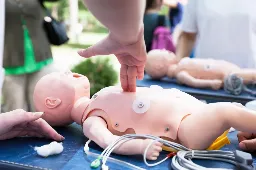
Stay Sharp, Save Lives: Why CPR Recertification Is Essential in Early Childhood Education 🧸❤️
09/09/2025Working with young children means being ready for anything—from scraped knees to sudden medical emergencies. CPR certification gives #educators confidence, but skills fade over time. That’s why regular CPR recertification isn’t just a requirement—it’s a responsibility. ... Stay Sharp, Save Lives: Why CPR Recertification Is Essential in Early Childhood Education 🧸❤️
🫀Everyday Heroes: Why the Average Person Needs to Be CPR Certified
09/25/2025CPR training is not just for healthcare workers and first responders. Parents, teachers, coworkers, and community members may also face an emergency where CPR could help save a life. Since many cardiac arrests happen at home, knowing how to respond can make a critical difference. For flexible train... 🫀Everyday Heroes: Why the Average Person Needs to Be CPR Certified
