Click, Learn, Save a Life! Should You Take CPR Training Online or In Person?
Knowing CPR could be the most important skill you ever learn—and with modern training options, attaining certification is now more accessible than ever. Whether you’re a busy professional, a childcare provider, or a concerned #parent, you can now choose between online and in-person training—or a blended approach that combines both. If you need a full in-person skills day, see ChildCareEd's In‑Person First Aid & CPR Buy Now $95.00; if you prefer the hybrid path, consider ChildCareEd's Blended First Aid & CPR Buy Now $85.00$80.00, which pairs self-paced online learning with a short, supervised skills session. Before you enroll, confirm acceptance with your employer or licensing agency: state rules and employer policies determine which formats meet credential or hiring requirements.
This article compares formats, highlights what regulators and employers typically verify, and gives actionable steps so you can select a course that meets both professional standards and practical constraints, with guidance on documentation and verification processes.
So, which method is right for you? Let's dive into the pros and cons of each format and help you choose the path that fits your lifestyle, learning style, and goals.
What’s Great About Online CPR Training?
Online CPR courses offer flexibility and convenience. You can learn at your own pace, from the comfort of your #home, at any time of day. This is perfect for those with hectic schedules or who live far from training centers.
Pros:
-
Learn at your own #speed, rewind and replay key sections
-
No travel time or #classroom scheduling hassles
-
Often more affordable
Cons:
-
No hands-on practice with a manikin or instructor feedback
-
Some employers or organizations may not accept online-only certifications
Want to start today? Check ChildCareEd's online and blended options designed for busy professionals. Our online-compatible modules provide the knowledge base; when combined with a supervised skills session they meet most licensing expectations (confirm with your regulator). See the ChildCareEd remote-skills discussion in The Benefits of CPR Remote Skills Training to understand how live evaluation or remote skills verification can validate hands-on competency.
Is In-Person CPR Training Worth It?
If you prefer a hands-on learning environment, in-person CPR training is ideal. You’ll get direct feedback from certified instructors, practice chest compressions and rescue breathing on real equipment, and be guided through real-world scenarios.
Pros:
-
Hands-on practice with expert instruction
-
Immediate answers to your questions
-
Often meets all professional certification requirements
Cons:
-
Requires travel and schedule coordination
-
May take longer to complete
Want the real deal? Explore ChildCareEd's in-person options, such as CPR & AED (In Person) Buy Now $90.00 or the full In‑Person First Aid & CPR Buy Now $95.00. In-person sessions provide supervised practice, immediate corrective feedback, and full skills validation that many employers and licensing agencies explicitly require. If travel or time is a constraint, ask whether a blended or remote skills verification pathway is accepted by your state licensing body before you register.
What’s the Deal with Blended CPR Training?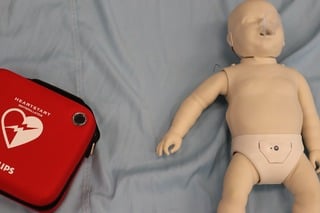
Blended CPR training Buy Now $85.00$80.00 is a hybrid approach: you complete the knowledge portion online and then attend an in-person session to practice skills and get certified. It’s the best of both worlds!
Pros:
-
Convenient learning from home + critical hands-on practice
-
Efficient use of time—less in-person class time than traditional methods
-
Recognized by most professional and regulatory organizations
Cons:
-
Requires #attendance at a physical location for skills testing
-
May have limited availability based on your area
Ready for the smart hybrid approach? ChildCareEd's Blended First Aid & CPR Course Buy Now $85.00$80.00 reduces in-person time while preserving supervised skills assessment. Blended formats can be efficient for centers and home providers: do the knowledge work remotely, then attend a focused skills session (or remote skills verification where permitted). For a deeper look at how remote verification works and what to expect from skills testing, see The Benefits of CPR Remote Skills Training.
Are online CPR and First Aid courses accepted by employers and licensing agencies?
Employers and licensing authorities typically evaluate online CPR and first aid training by three factors: the credibility of the training provider, documentation of competency, and the presence of supervised skills validation. Didactic online modules supply foundational knowledge, but many regulators and human-resources departments require a demonstrable, competency-based skills assessment—either through an in-person skills session or an authorized remote-skills verification. Before you enroll, request the course's skills-validation process, the format of the issued certificate, and any registry or state approvals; retention of the course outline and certificate expedites audits. ChildCareEd's blended and remote-verified pathways are designed to provide knowledge plus documented skills assessment where regulatory frameworks permit.
Still Not Sure Which Format to Choose?
Ask yourself:
-
Do I need official certification for work or licensing?
-
Do I learn better through reading and videos or hands-on activities?
-
How soon do I want to be certified?
And remember, CPR isn’t just a skill—it’s an occupational imperative for caregivers and educators. Even one well‑structured training session can materially change outcomes. For pediatric-focused guidance, see Pediatric First Aid and CPR Training with ChildCareEd, and for practical classroom readiness advice refer to Got CPR and a Well‑Stocked First Aid Kit?. If you work in a clinical or healthcare setting, consider ChildCareEd's BLS Training for Healthcare Providers to obtain provider-level BLS/AED competencies commonly required by employers and licensing bodies. These resources explain how training integrates with classroom safety plans and supplies.
Summary: Which CPR Format Should You Choose?
Select the modality that reconciles three imperatives: regulatory and employer acceptance; demonstrable clinical competence verified through supervised skills assessment; and pragmatic constraints such as time, travel, and budget. Where licensing authorities or employers mandate live skills validation, prioritize an in‑person or blended program with documented assessment procedures. Conversely, when immediate knowledge acquisition is the priority, a blended or remote‑verified pathway—followed promptly by verifiable skills assessment—can deliver efficient competency attainment while minimizing administrative friction.
Action checklist: 1) confirm accepted course formats with your licensing specialist or employer; 2) ensure the course provides supervised skills verification (in person or documented remote verification); 3) choose a ChildCareEd option that matches your audience (pediatric vs. adult content); and 4) keep a copy of your certificate and the course outline for licensing or HR audits. For further reading on operational steps and process, see AidCPRProcess and Why Pediatric First Aid Training is Crucial for Daycare Providers.
Next step: Register for the ChildCareEd format that fits your needs and confirm acceptance with your agency so your certification counts toward licensing or employment requirements.
For a concise overview of why this training matters and to view upcoming sessions and any current discounts, see Life‑Saving Skills: Why First Aid and CPR Training Matters, which includes registration details.
Stay Connected and Save More Lives
Want CPR tips, class updates, and inspiring stories? Follow us on Facebook: facebook.com/childcareed. Your next scroll could be the moment you decide to save a life.
Whether you choose online, in-person Buy Now $95.00, or blended CPR training, what matters most is that you take the step. Because being prepared can turn you into a lifesaver.
Let’s learn, grow, and save lives—together. 💓
- CPR & AED Adult only
- Basic Life Support (BLS) Blended Healthcare Providers
- CPR & AED Adult, Child, Infant - Blended
- Pediatric Blended First Aid & CPR/AED Adult, Child, Infant
- Pediatric RSV First Aid & CPR/AED
- Pediatric In-Person First Aid & CPR/AED Adult, Child, Infant
- CPR & AED Adult, Child, Infant - In Person
