You just did CPR. That is a big deal. Now the next few minutes #matter, too.
Whether the person starts breathing again or not, your job is to keep them as #safe as possible until EMS (Emergency Medical Services) arrives—and then to handle the “after” steps once EMS leaves. This guide is written for child care settings, but the same calm steps can help anywhere.
What should you do right away after you start or finish CPR?
First, take one slow breath. Then follow a simple #plan:
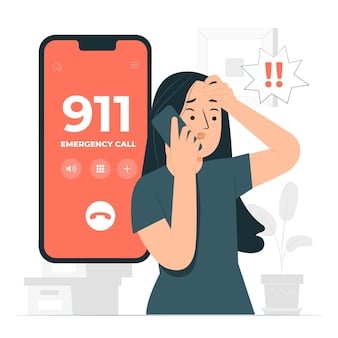
- Call your local #emergency number (911 in the U.S.) if it has not been called yet.
- Send someone to get the AED (Automated External Defibrillator), if you have one.
- Assign helpers (so you are not doing everything alone):
- One person stays with the patient.
- One person meets EMS at the door.
- One person manages the other children and keeps the area quiet.
- One person gathers forms and emergency contacts.
If you are alone, keep giving care and use speakerphone if you can.
When should you keep doing CPR while waiting for EMS?
Sometimes CPR is still needed until EMS arrives.
Keep doing CPR if:
- The person is not breathing normally, and
- The person is not responding, and
- You have been trained to give CPR.
You can stop CPR only if:
- the person starts breathing normally and wakes up,
- another trained rescuer takes over,
- EMS takes over,
- the scene becomes unsafe, or
- you are too exhausted to continue.
If an AED is available, turn it on and follow the voice prompts. If the person starts to breathe again, keep the AED nearby and follow your training.
Want to review CPR + AED steps for all ages? These AidCPR courses are directly related:
AidCPR's winter CPR promotion offers $20 off select courses tailored for childcare providers and is a timely way to refresh skills before cold-weather activities increase risk.
- CPR & AED Adult, Child, Infant - Blended
- Pediatric Blended First Aid & CPR/AED Adult, Child, Infant
What do you do if the person starts breathing again before EMS arrives?
This is a moment where many people feel unsure. Here is what to do:
- Stay with the person. Do not leave them alone.
- Check breathing (watch the chest rise and fall).
- Keep them warm with a light blanket or jacket.
- Do not give food or drink (they could #choke).
- Keep the area calm and quiet (less #stress is better).
If the person is breathing but still not fully awake, place them on their side in the recovery position if you are trained to do so. This can help protect their airway if they vomit.
Watch closely. Breathing can change fast after an emergency. Be ready to start CPR again if needed.
How can you keep the scene safe and organized until EMS arrives?
In child care, you also have to think about the whole group.
Try these practical steps:
- Clear space around the patient (no crowding).
- Move other children away to a safe, supervised area.
- Use calm, simple words with children:
- “Someone is getting help.”
- “You are safe.”
- “We are going to keep learning and playing quietly.”
If there was blood or body fluids:
- Put on gloves if available.
- Keep other children away from the area.
- Place used supplies in a bag and follow your program’s cleanup rules.
What information should you give EMS when they arrive?
EMS will ask questions quickly. A clear handoff helps them help faster.
Be ready to share:
- The person’s name and age (if known)
- What happened (short and clear)
- When you found them, and what you noticed
- When CPR started (approximate time)
- Whether an AED was used and what it did (shocks given or not)
- Any known medical history (asthma, seizures, allergies), if you have it
- Any medications the person may take
Helpful tip: If you have a second #staff member, have them write down key times and steps while you provide care.
For more emergency basics in child care (airway, breathing, circulation), share this related ChildCareEd article with your team:
- The ABCs of First Aid: Airway, Breathing, and Circulation for Child Care Providers
What should staff do with other children and families during the emergency?
During a serious event, your #center may need to contact families. Follow your program’s policy, but these ideas can help:
- Keep routines going for other children as much as possible.
- Do not share private details with other families.
- If families are contacted, use simple, calm #language:
- “We had a medical emergency. EMS is here. Your child is safe.”
If the person who needed CPR is a child in your care, your director (or the person in charge) should follow your emergency plan for calling #parents/guardians.
What should you do right after EMS takes over and leaves the building?
Once EMS leaves, it can feel like the “danger” is over—but you still have important steps.
1) Take care of the classroom
Children may feel scared or confused. Keep it simple:
- Offer water and a calm activity ( #books, drawing, puzzles).
- Use reassuring words:
- “Helpers came.”
- “We did our job to help.”
- “You are safe with us.”
If a child asks a hard question, you can say:
- “That person is getting help. We will share updates when we can.”
2) Take care of staff
CPR is stressful. Some staff may shake, cry, or feel sick afterward. That is normal.
Helpful steps:
- Switch staff roles so the rescuer can sit down.
- Offer a quiet break and water.
- Encourage staff to talk with a supervisor after the room is stable.
3) Document what happened
Write a clear report as soon as possible (while details are fresh). Include:
- Date and time
- What you saw and did
- Who called for help
- When EMS arrived and left
- Names of staff involved
- Any parent/guardian contacts
Follow your licensing rules and program policy for incident reporting.
4) Restock and reset your emergency supplies
After CPR, supplies may be used up (gloves, masks, wipes, etc.). Restocking quickly prepares you for the next emergency.
A helpful ChildCareEd resource (listed on AidCPR #free resources) is:
- First Aid Kit Checklist. Admin. Safety.
Use it to check:
- gloves (multiple sizes if possible)
- CPR mask or face shield
- gauze and bandages
- disinfectant and trash bags
#EmergencyPreparedness #matters every day in child care—not only during big events.
What should you do in the days after a CPR emergency?
A CPR event can affect people for days. These follow-up steps help your program recover:
- Hold a short team debrief
- What went well?
- What was hard?
- What do we want to improve?
- Check your emergency plan
- Were phones easy to reach?
- Did someone know where the AED was?
- Did staff know who should meet EMS?
- Schedule refresher training if needed
If you want a course that focuses on high-quality CPR skills, teamwork, and #emergency-response steps, this AidCPR option may also fit your team:
- Basic Life Support (BLS) Blended Healthcare Providers Learn how AidCPR's BLS training improves patient safety and team readiness by reading our overview: AidCPR's BLS certification guide.
Where can you get more support and #safety tips from ChildCareEd?
For more safety updates, training reminders, and child care resources, follow ChildCareEd on Facebook
Hit “Follow” so helpful posts show up in your feed—and share them with your team so everyone stays ready.
