💓Be a Lifesaver, Not a Bystander: Why Getting First Aid & CPR Certified Matters More Than Ever
Emergencies do not announce themselves. Whether you are a #parent, educator, coach, or colleague, the capacity to recognize a life‑threatening event and to respond appropriately often determines outcome. Start building that competence today with practical certification: enroll in ChildCareEd's Pediatric In‑Person First Aid & CPR/AED Buy Now $95.00 or the blended Adult/Child CPR & AED Buy Now $85.00 course to learn age‑specific techniques, AED use, and initial trauma management.
Getting First Aid and CPR certification prepares you to stabilize people who have cardiac arrest, airway obstruction, trauma, or environmental emergencies until advanced care arrives. This article explains why certification matters, outlines common course content and delivery formats, and points to ChildCareEd training options and resources to help you sustain competence.
🩹 Why Should You Get First Aid and CPR Certified?
Because accidents happen everywhere: in #homes, schools, gyms, offices, and even on a casual hike. Every second counts when someone stops breathing, suffers a stroke, has a seizure, or experiences a #heat-related illness.
Becoming certified equips you with:
-
Confidence to act during emergencies
-
Knowledge to assist until EMS arrives
-
The ability to save the life of a loved one or stranger
Want a quick #safety refresher? Check out this must-read resource:
👉 First Aid for Heat Illness – Info Sheet Buy Now $0.00
🧑⚕️ Who Needs First Aid and CPR Certification?
Everyone! But especially:
-
Teachers and childcare providers
-
Coaches and fitness professionals
-
Construction and industrial workers
-
Caregivers and #parents
-
Lifeguards and public safety workers — see Be the Hero Before Backup Arrives for training that emphasizes rapid response and decision‑making in public venues.
In many #careers, CPR and First Aid certification is not merely an optional competency—it is an explicit licensing or employer requirement. Certification also strengthens your professional profile and demonstrates commitment to safety. If you work with young children, read our in‑depth guide on learning CPR with AidCPR, and see Why Pediatric First Aid Training is Crucial for Daycare Providers and Getting Ready for the New School Year for role‑specific guidance and compliance considerations.
📚 Where Can You Take First Aid and CPR Classes?
You can obtain certification through authorized training organizations that deliver American Heart Association (AHA)–aligned Heartsaver and Basic Life Support (BLS) programs, blended formats (online + skills session), or fully in‑person classes. ChildCareEd offers a range of options to match workplace requirements and learner needs; see our Pediatric In‑Person First Aid & CPR/AED Buy Now $95.00 and the blended Adult/Child CPR & AED Buy Now $85.00 course. For example curriculum frameworks and AHA‑aligned learning objectives, see an authoritative program description at UVI MSC — CPR Courses (AHA‑aligned).
🔥 Sign up today:
👉 Register for First Aid and CPR Classes
Our courses are:
-
Up-to-date with the latest #emergency-response standards
-
Taught by experienced, certified instructors
-
Perfect for both beginners and renewals
🤔 What Will You Learn in These Certification Courses?
Expect hands‑on skills development, scenario‑based practice, and competency verification in the following domains:
-
CPR for adults, children, and infants Buy Now $85.00, including rhythm recognition, compression‑ventilation ratios, and age‑appropriate modifications
-
Use of an AED (Automated External Defibrillator) with emphasis on rapid deployment, pad placement, and scene safety
-
Assessment and initial management of bleeding, burns, fractures, and soft‑tissue injuries
-
Recognition and initial response to choking, seizures, anaphylaxis (including epinephrine administration where authorized), and environmental emergencies
For a procedural walkthrough of our class formats and the learner experience, see AidCPRProcess.
You’ll leave with not just a certification card—but the real-world confidence to take action when it counts.
📱 How Can You Stay in the Know and Spread the Word?
Follow ChildCareEd and review related articles—such as Save Lives with Ease: Take Your BLS Training with AidCPR—for quick tips, class updates, and real‑world stories that reinforce why ongoing practice matters.
-
Quick tips & safety hacks
-
Class updates and promotions
-
Inspiring stories of lives saved by CPR heroes like you
Let’s build a community of lifesavers together!
How do I get certified and keep my skills current?
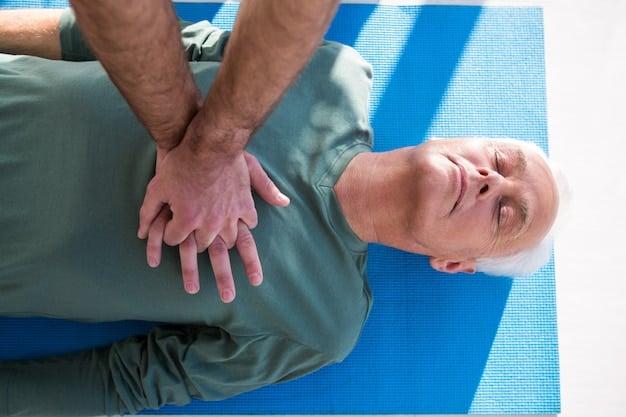
Follow these practical steps to obtain certification and sustain competency in the knowledge and psychomotor skills required for effective emergency response:
- Identify the credential your role requires (e.g., Heartsaver, BLS, pediatric first aid) and confirm the accepting agencies or employer expectations.
- Choose a delivery format that meets regulatory requirements: fully in‑person for jurisdictions that require hands‑on evaluation, blended for flexibility, or RSV/hybrid only where the licensing authority explicitly allows remote skills verification.
- Enroll in a recognized program such as ChildCareEd's Pediatric In‑Person First Aid & CPR/AED Buy Now $95.00, the blended Adult/Child CPR & AED Buy Now $85.00, or the pediatric blended option; obtain documentation of instructor authorization if your registry or licensing authority requires it.
- Perform short, spaced practice sessions (2–3 drills) between formal recertifications to preserve psychomotor proficiency; schedule full recertification according to the credential's interval (typically every two years) or your employer/licensing body guidance.
- Maintain accessible records of certifications and skills verifications for audits—upload certificates to your professional registry or employer portal as required.
- When in doubt about course acceptance, contact your licensing representative prior to enrollment; regulatory acceptance varies by state, role, and program type.
You never know when an emergency will strike—but with First Aid and CPR certification, you’ll be ready. And that makes all the difference.
👉 Start Your Training Today
Because knowing what to do could save a life.
What should I remember and do next?
First, confirm which credential your role requires and verify acceptance with your licensing or employer representative before you enroll. Choose a delivery format that satisfies that requirement—many authorities require an in-person skills check. Second, preserve psychomotor proficiency with brief, spaced practice: two to three short drills per month helps maintain compression depth, rate, and effective ventilations. Third, keep accessible documentation of your certifications and any skills verifications; upload e-certificates to your registry or employer portal and retain copies for audits. Fourth, check AED locations, emergency plans, and assigned roles in your facility so response is fast and coordinated. Fifth, refresh formal certification according to the credential interval (commonly every two years) and use scenario-based practice between recertifications to keep decision-making sharp. If you are unsure whether a course will be accepted for licensure or employer compliance, contact your licensing specialist before registering. With clear records, regular short practice, and an agreed plan for response, you convert training into reliable readiness and increase the chance of a good outcome when an emergency occurs.
What are the key takeaways and next steps?
In summary: confirm the exact credential your role requires, practice two to three short drills each month to preserve psychomotor skills, keep verifiable certification records, check AED locations and emergency roles, and enroll in ChildCareEd courses to remain prepared for real emergencies.
- Save Lives with Ease: Take Your BLS Training with AidCPR this Heart Month!
- 💓Be a Lifesaver, Not a Bystander: Why Getting First Aid & CPR Certified Matters More Than Ever
- Click, Learn, Save a Life! Should You Take CPR Training Online or In Person?
- Stay Sharp, Save Lives: Why CPR Recertification Is Essential in Early Childhood Education 🧸❤️
- 🫀Everyday Heroes: Why the Average Person Needs to Be CPR Certified
