CPR training is not just for healthcare workers and first responders. Parents, teachers, coworkers, and community members may also face an emergency where CPR could help save a life. Since many cardiac arrests happen at home, knowing how to respond can make a critical difference.
For flexible training, explore the Pediatric Blended First Aid & CPR/AED Adult, Child, Infant course Buy Now $85.00$80.00, which combines online learning with an in-person skills session.
🤔 What Is CPR, and Why Does It Matter?
Cardiopulmonary Resuscitation (CPR) is an emergency lifesaving procedure used when the heart stops beating. Prompt bystander CPR is an important part of the response to cardiac arrest. For information on reducing cardiovascular risk and global awareness efforts, see World Heart Day.
Yet many bystanders hesitate to help because they’re not trained or confident in their skills. CPR training can build knowledge and confidence, but certification alone cannot guarantee how someone will respond in an emergency. Follow the training and local emergency guidance.
For more on why CPR and first aid training matters for early educators and families, read A Lifeline for Little Ones: Why First Aid and CPR Training Is Essential for Teachers and Parents.
🏠 Where Do Emergencies Usually Happen?
Cardiac arrests can happen at home, at work, or in public. Learning CPR may help you respond to an emergency involving someone you know or a stranger.
Consider a grandparent who collapses during a family gathering, a child who experiences a medical emergency during play, or a partner who suddenly becomes unresponsive. A trained bystander may be able to begin appropriate actions while emergency services are contacted. Child care teams can also strengthen coordinated responses through a child care emergency preparedness plan.
🧰 What Skills Do You Gain Through CPR Training?
When you take a CPR course, you’ll learn how to:
-
Recognize cardiac arrest
-
Perform high-quality chest compressions
-
Provide rescue breaths (when required)
-
Use an Automated External Defibrillator (AED)
-
Stay calm and guide others in emergencies
To start building these lifesaving skills, check out:
Who may benefit from CPR training?
CPR instruction can be relevant to parents and caregivers, educators, workplace teams, coaches, and community volunteers interested in #preparedness and #response. Before choosing a course, identify whose safety you may be responsible for and whether you need adult-only or pediatric skills. If training is connected to a job or licensing rule, confirm the required course, provider, format, and renewal schedule with the employer or licensing authority. A course description can explain what the training covers, but it does not by itself establish that a particular employer or agency will accept it. After training, keep the completion record accessible and check the issuing organization’s instructions for renewal.
-
Parents and caregivers — Children can #choke, drown, or stop breathing unexpectedly.
-
Educators and childcare providers — Emergencies can occur in classrooms or playgrounds.
-
Workplace employees — Many companies require a percentage of staff to be CPR-certified.
-
Community volunteers — Coaches, camp staff, and church leaders are often first responders.
🧭 How Can Certification Empower You?
Training can help participants practice emergency-response skills and build confidence. For another perspective on why CPR knowledge matters, read The Life-Saving Power of Knowing CPR: Why It Matters More Than You Think.
How can you prepare to respond while help is on the way?
Being CPR certified also encourages preparedness. For example, having a well-stocked first aid kit is essential. For more on how first aid supplies and CPR response work together in a classroom, read Bandages or Breaths? First Aid Kits vs. CPR Response in the Classroom.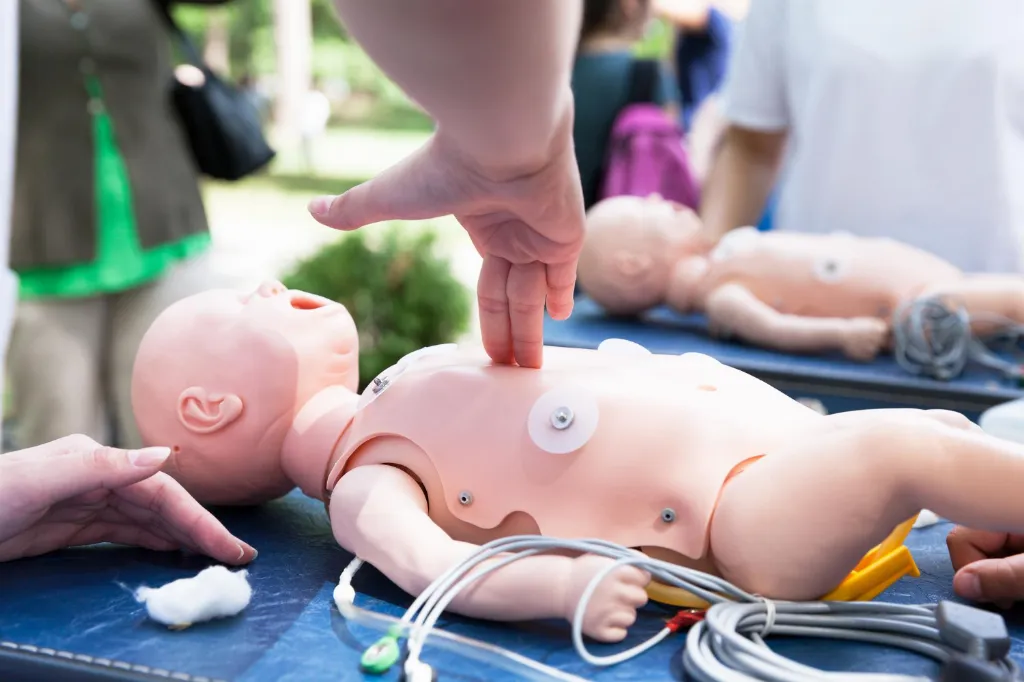
Summary: Why does CPR training matter?
CPR training gives community members an opportunity to learn emergency-response skills and practice them in a course setting. Choose training that fits your situation, confirm any employer or licensing requirements before enrolling, and follow the course provider’s instructions for completion and renewal. In an emergency, contact emergency services and act within your training.
Choose a course format after reviewing its description and confirming any applicable requirements. For practical classroom preparation, use the Emergency Preparedness Quick-Reference Guide for Child Care Staff Buy Now $1.99.
A blended course combines self-paced online learning with an in-person skills session. The amount of online and in-person work varies by course, so review the current course description before enrolling.
A blended format may offer scheduling flexibility, but course eligibility, requirements, and acceptance depend on the learner’s role and the relevant employer, licensing agency, or registry. Confirm those details before enrolling.
👉 And don’t forget: Follow ChildCareED on social media for more training tips, updates, and professional learning!
🤔 What Is a Blended Course?
A blended CPR and first aid course combines two parts:
-
Online Learning — Self-paced modules you can complete anytime, anywhere.
-
Hands-On Session — A short in-person class where you practice CPR compressions, AED use, and first aid techniques with a certified instructor.
This model separates foundational knowledge from supervised skills practice, allowing learners to complete the online component on their own schedule and then demonstrate practical techniques during an instructor-led session.
Try our popular options:
🕒 How Much Time Does Certification Take?
Traditional classes can take hours in a classroom. With a blended course, most of the content is online, so you can complete it whenever you have time—whether that’s during lunch breaks, evenings, or weekends.
The in-person portion and total time commitment vary by course. Check the course description for the format and schedule, and confirm that the training is appropriate for your needs.
💻 How Easy Is the Online Portion?
Online modules may include videos, knowledge checks, and scenarios, depending on the course. Their purpose is to introduce or reinforce concepts before any required in-person skills practice; review the course description for the specific learning activities and completion expectations.
🧠 What Skills Will You Learn?
Course topics vary. Review the description for the specific course you are considering; providers who want to refresh practical response skills can also review first aid scenarios for child care staff. Listed topics may include:
-
CPR for adults, children, and infants
-
AED use
-
First aid basics (bleeding, burns, fractures, allergic reactions)
-
Choking relief techniques
-
Responding to medical emergencies like strokes or heart attacks
See the full scope in First Aid and CPR Buy Now $95.00.
🧰 What Resources Can Support Your Training?
Learning CPR and first aid go hand in hand with being prepared. A practical tool to keep with your training is the First Aid Kit Checklist (Admin & Safety) Buy Now $0.00—a simple way to ensure you have supplies ready for any emergency.
🏠 Who Is Blended Training Right For?
Blended courses may suit learners who value a combination of flexible online study and supervised skills practice, including:
-
Parents and caregivers who want quick, flexible training
-
Busy professionals with tight schedules
-
Employers who want to certify staff efficiently
-
Educators and coaches who need practical skills with minimal disruption to work
🌟 Final Thoughts
A blended format combines online learning with hands-on practice. Review the course details and verify that its scope and format meet your needs before enrolling.
Training provides an opportunity to practice response skills; in an emergency, contact emergency services and act within your training.
- 💓Be a Lifesaver, Not a Bystander: Why Getting First Aid & CPR Certified Matters More Than Ever
- ❤️Goldfish, Glue Sticks & 911: Why CPR & First Aid Is Non-Negotiable for Childcare Providers
- 🫀Everyday Heroes: Why the Average Person Needs to Be CPR Certified
- A Kid-Friendly Guide to Choking
- When a Child Collapses: What Can You Do Before EMS Arrives?
- When a Baby Stops Breathing: How to Respond with Pediatric CPR
