 If you’ve ever worked with children, you know the drill.
One second, everyone’s quietly coloring. The next, there’s a bloodcurdling scream — the kind that makes you think someone has lost a limb. You sprint across the room, heart pounding, only to find… a paper cut. A tiny one. Practically invisible.
And yet, the child looks up at you with wide, tear-filled eyes like you’re about to deliver the most crucial medical care of your life.
Welcome to the world of childhood first aid — where every scrape is a tragedy, every bruise is suspicious, and every ice pack is a sacred relic.
Why Kids React Like the World Is Ending
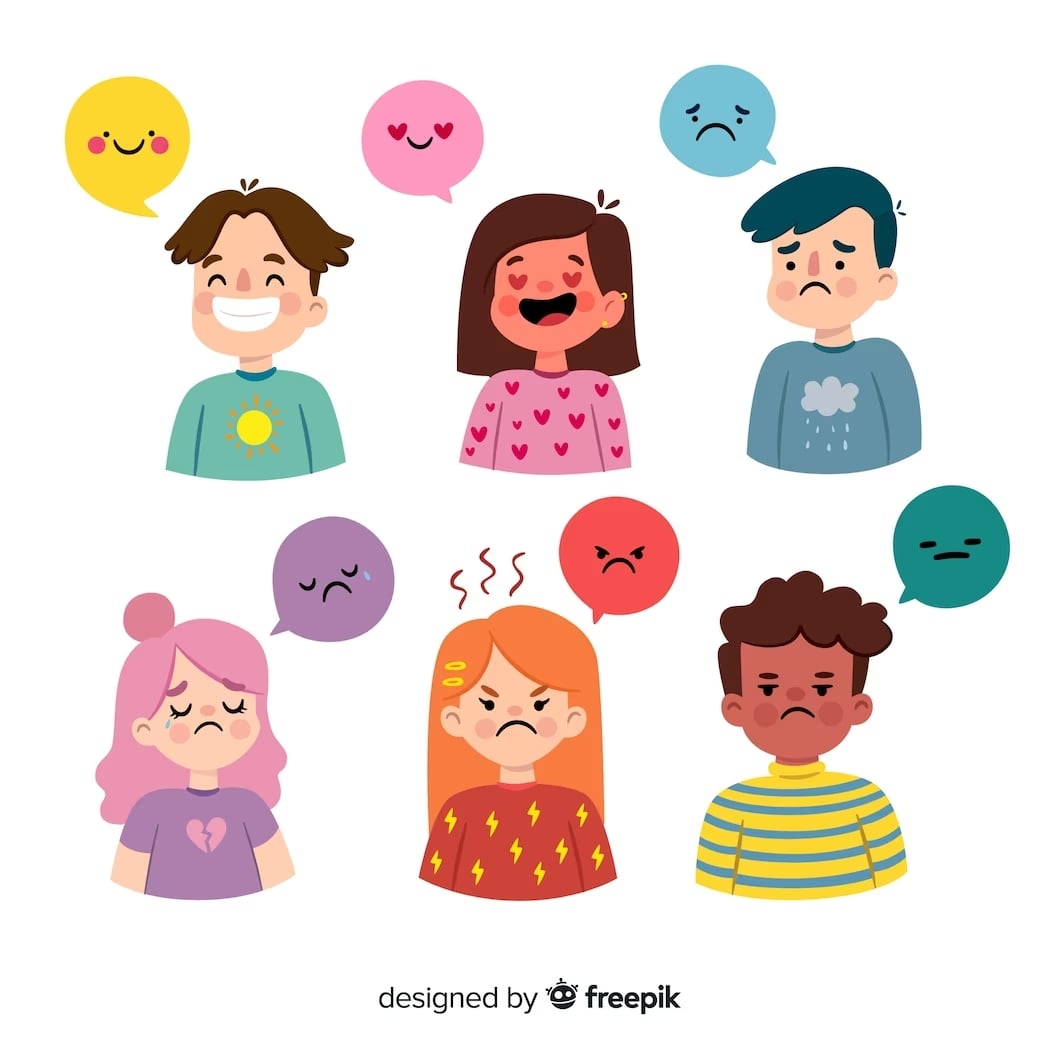
Children don’t fake their feelings — they feel them, fully and dramatically. To a child, pain is not measured in severity; it’s measured in experience.
They don’t yet have the emotional filter adults use to scale things down. A paper cut is as shocking to them as a sprained ankle might be to you. It’s not just about the wound — it’s about the surprise of being hurt.
In those first few seconds, the child’s brain goes into full alarm mode:
“Oh no! Something went wrong! Where’s my #safe person?!”
That’s why your calm reaction matters so much. Kids watch your face before they look at their cut. If you gasp, they’ll wail. If you stay calm and smile, they’ll start to breathe again.
Your tone of voice can turn a crisis into a #classroom moment.
The Magic of the Calm Adult
Staying calm under pressure isn’t always easy — especially when there’s crying, chaos, and maybe a little bit of ketchup you hope is ketchup. But that’s where good training and preparation make all the difference.
Taking a course like First Aid & CPR Blended Buy Now $85.00$80.00 helps you respond to real emergencies with confidence. You’ll learn not just what to do — but how to be — calm, focused, and reassuring even when little voices are crying for help. If you need formal basic life support credentials on a quick, blended schedule, AidCPR also offers a streamlined BLS certification that combines online learning with a convenient in-person skills check.
Because let’s be honest — when children are involved, your response isn’t just about stopping bleeding. It’s about restoring peace.
The “Hierarchy” of Childhood Injuries (According to Kids)
After years of observation (and many dramatic bandage requests), we’ve identified a universal truth: kids have their own ranking system for injuries. Here’s how it usually goes:
-
Paper Cut: The emotional devastation is far greater than the physical wound. Requires immediate adult attention, a superhero Band-Aid, and possibly a popsicle for recovery.
-
Tiny Scratch: Often invisible to the adult eye. The pain? Excruciating — if anyone else is watching.
-
Bruise (any color): Instant celebrity status in the classroom. Must be shown to at least three friends.
-
Real Cut or Scrape: Actual first aid needed — but the child might handle it surprisingly well because, finally, the drama is justified.
-
Head Bump: Immediate tears, followed by confusion and the sacred ritual of “the ice pack crown.”
-
Splinter: Panic. Betrayal. Fear of tweezers. (This one requires all your calm and compassion.)
Teaching Safety Without Fear
The real trick is balancing #empathy with empowerment. We don’t want to dismiss a child’s pain (“You’re fine!” never helps). But we also don’t want to feed the drama.
That’s where modeling calm, matter-of-fact care is key. You might say:
-
“Let’s see what happened.”
-
“Wow, you noticed that fast — good job taking care of your body.”
-
“Let’s clean it and get you back to playing.”
This teaches children that injuries are part of life — not the end of it.
If you want a deeper dive into child #safety practices, especially for #early-childhood environments, the Regulated Child Care Guide: All Ages Safety Buy Now $0.00 is a great resource. It covers everything from everyday safety routines to #emergency-response in child care settings.
From Drama to Discovery
A funny thing happens when children learn first aid basics: they start to own their safety.
Instead of panicking over a paper cut, they start saying things like, “I need to wash this and get a Band-Aid.” It’s adorable, empowering, and a reminder that even tiny lessons about care make a big impact.
That’s why courses like First Aid RSV Training Buy Now $115.00$95.00 are so valuable for #teachers, #parents, and caregivers. They don’t just prepare you for emergencies — they model calm, competent care that children absorb by watching you. If you work with young children or may need to respond to cardiac or respiratory emergencies, consider BLS certification with AidCPR, which combines flexible online learning and hands-on practice to prepare caregivers for life-saving interventions.
When you’re confident, they feel safe. When you respond with steady hands and humor, they learn that getting hurt doesn’t mean falling apart — it means taking care.
The Power of Perspective (and Band-Aids)
Every teacher or caregiver knows there’s no such thing as “just” a paper cut in a child’s world. It’s an opportunity — for empathy, for teaching, and sometimes for laughter.
So next time you hear a dramatic shriek echo through the room, take a breath. Channel your inner first responder and your outer comedian. Smile, grab the nearest fun Band-Aid, and say something like:
“Good news — you’re going to make a full recovery before snack time!”
Because here’s the truth: every calm moment you model, every gentle word you offer, and every over-the-top paper cut you handle with grace is helping that child build resilience.
And one day, that same kid might be the calmest person in the room when someone else needs help.
That’s the quiet magic of first aid — and the everyday heroes who practice it.
For more resources, certification courses, and practical tips, visit AIDCPR.com — where safety meets confidence (and maybe even a few laughs). Sign up today and follow AIDCPR.com on Instagram for more safety insights and updates!
