The Life-Saving Power of Knowing CPR: Why It Matters More Than You Think
When emergencies strike, every second counts. Knowing CPR can make the difference between life and death—whether you're a healthcare professional, a parent, or a bystander. Explore in-person First Aid and CPR training Buy Now $95.00 or blended First Aid and CPR training Buy Now $85.00$80.00 to review available learning formats; verify course details and any applicable acceptance requirements before enrolling.
How Often Does CPR Improve Survival?
When a person experiences sudden cardiac arrest, prompt bystander CPR can help maintain circulation while emergency medical services are en route. Loyola Medicine reports that immediate CPR may double or triple the chance of survival. This population-level estimate does not predict an individual outcome: survival depends on the cause of the arrest, the interval before CPR begins, access to an automated external defibrillator (AED), and subsequent medical care.
Why Is Early CPR Important?
Cardiac arrest prevents the heart from circulating blood effectively. Before emergency responders arrive, bystander CPR can help maintain perfusion to vital organs, but it does not independently restore a normal heart rhythm. This distinction clarifies why prompt action matters while setting realistic expectations: CPR supports the response until further care is available; it does not guarantee recovery.
Recognizing cardiac arrest quickly and contacting emergency services are essential parts of the response. A dispatcher can provide instructions while help is coming. If an AED is available, follow its prompts; it analyzes the heart rhythm and tells the rescuer whether a shock is advised. Continue CPR as instructed. Immediate CPR and early AED use can improve the opportunity for timely treatment, but outcomes vary with the circumstances of the emergency and the care that follows.
For child-care teams, advance preparation can reduce hesitation during an emergency. Staff should know how to activate the response, locate emergency equipment, and maintain supervision of the other children. Training allows teams to rehearse these responsibilities; during an incident, staff should follow the program’s emergency plan and the dispatcher’s instructions.
What Can a Bystander Do Before Emergency Responders Arrive?
First, check whether the scene is safe. Try to get the person’s attention and check for normal breathing. If the person is unresponsive and not breathing normally, call emergency services or direct a specific bystander to call, and ask someone else to locate an AED if one is available. Begin CPR according to your training and follow the emergency dispatcher’s instructions. When an AED arrives, turn it on and follow its voice prompts; resume CPR when directed. These steps are general emergency-response guidance, not a substitute for hands-on instruction or dispatcher directions.
Training can help a responder recognize an emergency, initiate an appropriate response, and rehearse CPR and AED procedures. It cannot guarantee a particular outcome; responders should follow emergency-dispatch instructions and act within the scope of their training. Read more about BLS training for healthcare providers for a discussion of training intended for that audience.
You do not have to be a physician or first responder to learn CPR. Parents, coaches, teachers, and other community members can prepare to respond to an emergency. CPR training is valuable for the public, but certification requirements vary by role, employer, and jurisdiction; check the applicable requirements rather than assuming that everyone must hold a certificate.
For people who work with children, prompt emergency response is an important part of safeguarding children in care. A cardiac emergency can occur in a child-care setting, at school, or during recreation. Preparation means knowing the site’s emergency plan, how to contact emergency services, where the AED and first-aid supplies are kept, and how staff members will supervise the other chil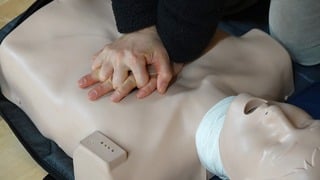 dren while someone responds.
How Can Child-Care Teams Prepare for a CPR Emergency?
Review the program’s written emergency procedures with the team and clarify who calls emergency services, who begins care, who retrieves the AED, and who stays with the other children. Keep emergency contacts and equipment locations accessible, and practice how staff will communicate and maintain supervision during an incident. After training, check course and certificate details against the requirements that apply to your role and program; requirements may depend on jurisdiction, job responsibilities, and setting. Do not assume that a course alone establishes licensing compliance.
For child-care professionals, this overview of first aid and CPR for providers and teachers offers related context. You can also read about pediatric first-aid and CPR preparation for teachers and emergency readiness for teachers and parents.
Whether you're an individual or representing a group, AIDCPR is equipped to help you become emergency-ready:
-
In-Person First Aid & CPR Training
Perfect for immersive, hands-on learning and personalized instructor guidance:
View the in-person courses Buy Now $95.00 -
Blended Learning CPR & First Aid Courses
Flexible and accessible—learn theory online at your own pace, then complete practical skills in person:
View the blended courses Buy Now$85.00$80.00
On-site group training may be available for teams and organizations. Contact AIDCPR to confirm current availability, course content, delivery arrangements, and any group-rate details. For child-care professionals seeking related training options, review ChildCareEd’s pediatric first-aid and CPR training article. Course acceptance depends on the applicable agency, employer, role, and program requirements; confirm eligibility before enrolling.
Curious about how bystander action really shifts outcomes? Our article “Would You Step In? The Life-Saving Power of Bystanders in an Emergency” provides deeper insight into how intervention can change the course of a crisis. It’s a compelling read that reinforces how vital bystander readiness is.
Check it out here. For classes on infant, child, and adult CPR, see AidCPR’s heart-health training article You can also review why first-aid training is important for people working with children..
Summary
What Should You Remember About CPR?
After an emergency, follow the program’s reporting and documentation procedures and review the response with the team. Note what worked, identify any communication or equipment issues, and update the emergency plan or practice routine as needed. This debrief supports preparedness; it does not replace required incident reporting or medical follow-up.
In a cardiac emergency, prompt action can help maintain circulation until advanced care is available. CPR is one part of an emergency response, alongside activating emergency services and using an AED when available. Whether you are a parent, community member, or child-care professional, training can help you practice these skills; certification requirements depend on your role and applicable program or employer rules.
#CPR #AED #FirstAid #EmergencyResponse #ChildSafety Visit AIDCPR today to explore how you—or your team—can be ready for the unexpected. With the right training, you may be the person who makes all the difference.
- Boost Your Life-Saving Skills with BLS Training at AidCPR!
- CPR Training: Because Glue Sticks Can’t Fix Everything!
- Flex Your Safety Muscles: Why Every Fitness Pro Needs First Aid & CPR Training
- 💓Be a Lifesaver, Not a Bystander: Why Getting First Aid & CPR Certified Matters More Than Ever
- The Life-Saving Power of Knowing CPR: Why It Matters More Than You Think
