Children are curious, energetic, and sometimes unpredictable—especially when it comes to allergies, asthma, and anaphylaxis. For child care providers, understanding these conditions is essential. This article will help you recognize signs, prepare responses, and protect children. For focused professional development, explore Prevention of and Response to Allergic Reactions  Buy Now $8.00 and Illness, Medication, and Allergies in Child Care Buy Now $32.00. Course acceptance depends on your role, employer, and applicable state or registry requirements; verify eligibility before enrolling.
What Are Allergies, Asthma, and Anaphylaxis—and How Are They Different?
-
Allergies occur when a child’s immune system reacts to something (the allergen) that is normally harmless—foods, dust, pollen, animals, etc. Reactions can range from mild itchiness or sneezing to more serious symptoms.
-
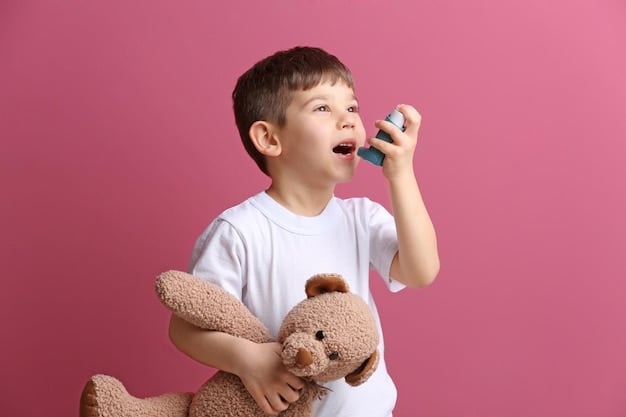
Asthma is a chronic lung condition where airways become inflamed, narrow, and overproduce mucus, making breathing harder. Triggers can include allergens, cold air, exercise, viral infections, smoke, and more.
-
Anaphylaxis is a severe, life-threatening allergic reaction that can affect multiple body systems. It can happen very fast and requires immediate treatment, usually epinephrine.
Knowing the differences matters because the response depends on the child’s symptoms and written plan. For further planning guidance, read What Should Every Child Care Allergy and Emergency Plan Include?.
What Signs Should I Look for in a Child Who Might Be Having a Reaction?
Infants and toddlers may not be able to describe symptoms, so observe breathing, behavior, and skin changes and communicate promptly with families. For practical family communication and care planning, see How do we build a health care plan for children who need daily medication?.
How Can I Be Prepared in a Childcare Setting?
-
Written plans for each child: Maintain current, individualized allergy and asthma action plans and an emergency plan, developed with the family and the child’s health care professional. Follow applicable program procedures. Training such as Allergies and Medication in Childcare
Buy Now $16.00 may support professional development; confirm whether it is accepted for your specific requirements. See the ChildCareEd guide for all ages. You can use the resource: Guide for Allergies and Asthma in Childcare (All Ages) ChildCare Education -
Medication readiness: Know the location of each child’s inhaler, spacer, and epinephrine auto-injector, understand the applicable plan and program procedures for their use, and check that the medications are not expired.
-
Staff training: Ensure staff understand emergency procedures and receive training appropriate to their responsibilities. Review Pediatric First Aid for Teachers for a discussion of keeping response skills current. Any course’s acceptance depends on applicable requirements; verify with your licensing agency or employer.
-
Trigger control: Reduce exposure to known allergens (foods, insect stings, latex, etc.)
 and support #prevention through consistent routines. Maintain clean environments to reduce dust, mold, pet dander. Monitor #outdoor air quality when doing field activities if asthma is a concern.
 -
Emergency protocols: Establish when to call 911, when to administer epinephrine, and ensure rescue meds are accessible. Practice drills help.
How Can Staff Make Each Child’s Emergency Plan Usable?
Keep each child’s written plan accessible to staff who may be responsible for that child, including substitutes, while protecting the child’s privacy. The plan should identify known triggers, the child’s typical symptoms, authorized medications and their location, family and emergency contacts, and the steps staff should take. Confirm with the family and health care professional that the plan is current, and make sure staff know where it is kept. Record when staff review the plan and practice their roles using your program’s procedures. For a ready-to-use documentation aid, see the Allergy & Emergency Information Form Buy Now $1.50.
Before an incident, clarify who stays with the child, who calls emergency services, who meets responders, and who supervises the other children. Afterward, document the event and communicate with the family according to program policy.
When Asthma or Allergic Reactions Become Emergencies—What Should I Do?
-
Recognize warning signs early (see table above).
-
For a suspected asthma emergency, follow the child’s written plan and your program procedures, stay with the child, and activate emergency services when indicated. For more on medication procedures, see Child Care Medication Administration: Rules, Records, and Training.
-
For a suspected severe allergic reaction, follow the child’s written emergency plan and your program’s procedures, activate emergency services as directed, and stay with the child. Review How can child care programs build effective food allergy awareness and emergency response plans? for additional planning considerations.
-
After the incident: Notify parents/guardians immediately, document what happened (when symptoms began, what treatment was given, response), review what went well and what could improve.
How Should Staff Coordinate Medication and Emergency Response?
Use each child’s written plan and your program’s procedures to guide medication storage, access, and administration. Staff should know which trained and authorized person will retrieve and administer a prescribed rescue medication, and how another staff member will call emergency services and supervise the remaining children. Do not delay emergency activation while searching for supplies or waiting for family members when the plan indicates an emergency response is needed. After the event, document observed symptoms, actions taken, medication and timing, and the child’s response. Review the event with the family and relevant staff to identify practical improvements to the plan.
Training can build familiarity with allergy recognition and medication practices, but a course does not replace a child-specific plan, hands-on instruction where required, or state and employer requirements. Check with your licensing agency or registry about applicable training rules.
How Can Childcare Providers Reduce Risk Long-Term?
-
Keep updated copies of each child’s action plans, medical history, contact info.
-
Regularly clean surfaces, wash hands, avoid sharing personal items, especially food or drink.
-
Identify and remove allergen sources in snacks, #classroom-activities, arts & #crafts.
-
Ensure ventilation is good and avoid smokers or pollutants in/near the facility.
-
Re-train #staff periodically. Make sure new staff or substitutes are oriented.
Why Does Allergy and Asthma Preparedness Matter?
-
Allergies and asthma are very common among young children. Some children may have severe allergies or asthma but haven’t had an attack yet.
-
Anaphylaxis can be life-threatening, but prompt recognition and treatment greatly reduce risk of serious harm. Delays or missteps (e.g. using antihistamines instead of epinephrine first) are risky.
-
For children, an asthma attack left untreated can escalate quickly. For childcare providers, being calm and prepared can make a big difference in outcomes and parental trust.
What Practical Steps Can Staff Take Now?
-
Consider enrolling in AIDCpr.com’s First Aid & CPR Blended Course Buy Now
$85.00$80.00 if you want flexible training that combines online & in-person. -
Or choose the hands-on First Aid and CPR Course Buy Now $95.00 to build skills through direct instruction.
-
Use the ChildCareEd Guide for Allergies & Asthma as a checklist and framework in your facility.
-
For more guidance on recognizing early respiratory distress, check out the article: “Breathe Easy: How to Spot Early Signs of Respiratory Distress in Children”
Summary: What Should Child Care Providers Remember?
Prepare before an emergency: learn each child’s signs and triggers, keep individualized action plans and prescribed medication accessible as directed, and ensure staff understand their roles. During a suspected severe reaction or breathing emergency, follow the child’s plan and program procedures, activate emergency services when indicated, and stay with the child until help arrives. Communicate with the family, document the response, and review the plan afterward. Requirements and medication procedures vary, so confirm current guidance with the family, health care professional, and applicable licensing agency.
If this article helped, please follow ChildCareEd on social media for more guidance and resources for child care providers. Together, we can help children breathe easier and stay safe.

Call us