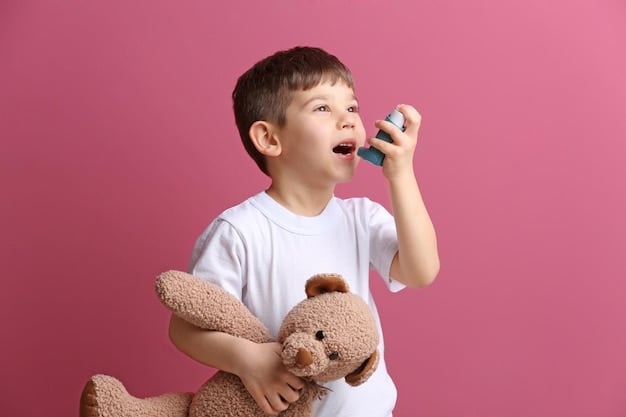
 Asthma is a long-term breathing condition that affects many children. It causes the airways in the lungs to swell and tighten. This makes it hard to breathe. In child care settings, #asthma is common because many young children are still #learning how to manage their symptoms.
Some children may already have a diagnosis when they enter care. Others may have their first asthma #emergency while with you. That is why child care providers must be prepared. Knowing how to respond can protect a child’s #health-and even save a life. #ChildCareSafety #AsthmaAwareness
What Are the Common Triggers for Asthma Attacks in Child Care?
Asthma attacks often start when a child is exposed to a trigger. Triggers can be different for each child, but many are common in child care environments.
Common asthma triggers include:
-
Dust, pollen, or mold
-
Pet dander from class pets or visiting animals
-
Strong smells from cleaners or art supplies
-
Cold air or sudden #weather changes
-
Physical activity like running or #playground time
-
Respiratory illnesses such as colds or the flu
Knowing a child’s triggers helps you prevent emergencies before they happen.
What Are the Warning Signs of an Asthma Emergency?
Asthma symptoms can start mild and quickly become serious. Child care providers should watch closely and act #early.
Signs of an asthma attack may include:
-
Coughing that will not stop
-
Wheezing or whistling sounds when breathing
-
Trouble breathing or shortness of breath
-
Chest tightness or pain
-
Fast breathing
-
Pale or bluish lips or fingernails
-
The child looks scared or tired
If a child cannot speak in full sentences or is struggling to breathe, this is an emergency. #EmergencyPreparedness
How Should Child Care Providers Respond to an Asthma Emergency?
Quick, calm action is very important. Follow the child’s asthma action plan if one is on file.
Steps to take during an asthma emergency:
-
Stay calm and stay with the child
-
Help the child sit upright (do not lie them down)
-
Give prescribed asthma medication, such as an inhaler, if allowed
-
Follow medication directions exactly
-
Watch the child closely for improvement
Call 911 right away if:
-
Breathing does not improve after medication
-
The child’s lips or face turn blue or gray
-
The child cannot speak or becomes very weak
-
You are unsure what to do
Always notify #parents or guardians after the emergency.
Why Are Asthma Action Plans So Important in Child Care?
An asthma action plan is a written plan from the child’s doctor. It explains:
-
Daily asthma care
-
Known triggers
-
What medicine to give and when
-
When to call for emergency help
Every child with asthma should have one on file. Review it regularly and make sure all #staff know where it is kept. This preparation helps everyone respond with confidence. #ECEProfessionals
How Can Child Care Providers Prevent Asthma Emergencies?
Prevention is one of the best tools you have. Small daily steps can lower the risk of asthma attacks.
Helpful prevention tips:
-
Keep #classrooms clean and dust-free
-
Avoid strong smells and harsh cleaning products
-
Wash hands often to reduce illness
-
Watch children closely during active play
-
Communicate daily with families
Creating #healthy environments supports all children, not just those with asthma. Training like Safe and Sound: Creating Healthy Environments for Every Child  Buy Now $55.00 can help providers build #safer spaces:
What Training Helps Providers Manage Asthma Emergencies?
Training builds confidence and skills. Child care providers should understand medication rules, #emergency-response, and #health- #safety.
These ChildCareEd courses are especially helpful:
-
6-Hour Medication Administration Training Buy Now $89.00
Learn how to #safely give medications, including inhalers: -
First Aid & CPR Blended Training Buy Now
$85.00$80.00
Prepare for breathing emergencies and life-threatening situations:
Ongoing training helps providers respond quickly and correctly when every second counts.
What Resources Can Help You Learn More About Asthma and Allergies?
ChildCareEd offers trusted resources made for #early-childhood professionals.
A helpful resource:
You may also enjoy this related article:
These tools support safe care and informed decision-making.
How Does Communication With Families Support Asthma Safety?
Strong communication builds trust. Talk with families about:
-
Triggers and warning signs
-
Medication needs
-
Updates to asthma action plans
-
Any symptoms noticed during the day
Daily check-ins help catch problems early and keep children healthy.
Where Can You Learn More and Stay Connected?
ChildCareEd shares tips, training updates, and helpful resources on social media. Follow and stay connected with other early childhood professionals.
👉 Follow ChildCareEd on Instagram for training tips and safety reminders:
You can also find ChildCareEd on:
Together, we can keep children safe, healthy, and supported every day. 💙
