What are the top 10 child care injuries you may see most often?
These are common injuries and emergencies that many child care teams plan for:
- Cuts and scrapes
- Bruises and bumps
- Head injuries (from #falls)
- Choking
- Burns and scalds
- Nosebleeds
- Sprains and possible broken bones
- Allergic reactions (including severe reactions)
- Poisoning (swallowed harmful items)
- Bites and stings (insects or animals)
First Aid and CPR training does not just teach “what to do.” It also teaches you how to prevent problems and when to call for help. For a clear summary of how these skills improve readiness, prevent harm, and empower caregivers, see AidCPR's 10 Life-Changing Benefits of First Aid and CPR Training with AidCPR.
How does First Aid and CPR training help in child care? 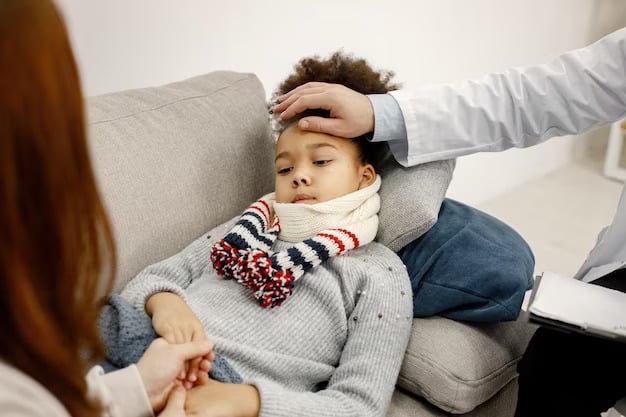
When a child gets hurt, you need to make quick, #safe choices. Training helps you:
- Check the scene (Is it safe? What happened?)
- Assess the child (Are they breathing? Alert? Bleeding?)
- Give the right help right away
- Know when it’s an #emergency (and when to call 911)
- Document and communicate cl #early with families and your director
This is especially important because children may not be able to explain what hurts, or how it happened.
1) What should you do for cuts and scrapes?
Cuts and scrapes happen from #outdoor- #play, art tools, or falls.
Training helps you:
- clean #safely and reduce infection risk
- Apply bandages the right way
- Watch for signs that a wound needs medical help
Small-space prevention ideas:
- Keep walkways clear
- Store scissors and sharp tools in one safe spot
- Use “walking feet” rules indoors
2) What about bruises and bumps?
Bruises happen fast—especially with #toddlers learning balance.
Training helps you:
- Check for swelling and pain
- decide if the child can return to play
- know what changes are warning signs (like unusual sleepiness)
A big benefit of training is learning to observe and re-check a child after an injury.
3) How can you respond to head injuries from falls?
Falls are a top reason children get hurt in group care (climbing, running, playground play).
Training helps you:
- know what questions to ask
- know when to monitor closely
- know when it may be an emergency
Prevention tips:
- active supervision in “high-risk zones” (playground, climbers, bathrooms)
- age-appropriate equipment
- clear rules like “one at a time” on steps and slides
4) How does AidCPR training help with choking?
Choking is one of the scariest moments in child care—because it can become life-threatening quickly.
Training helps you:
- recognize choking vs. coughing
- Respond with age-appropriate choking relief (infant vs. child)
- Stay calm and call for emergency help when needed
Simple prevention steps:
- serve safe food sizes (cut grapes, hot dogs, and similar foods)
- keep small objects out of reach (especially with infants/toddlers)
- require seated eating during meals and snacks
5) What should you do for #burns and scalds?
Burns can happen from hot water, warm food, kitchen areas, or sun exposure.
AidCPR #free resource tip: Use and share this printable Burn and Scald Prevention Flyer Buy Now $0.00 with #staff and families
Training helps you:
- know what to do right away for minor burns
- recognize burns that need urgent medical care
- prevent burns with safer routines
Prevention ideas:
- test water temperature
- Keep hot drinks away from children
- Use “no child zone” rules near food prep areas
6) What about nosebleeds? 
Nosebleeds are common with dry air, nose rubbing, or accidental bumps.
Training helps you:
- Stay calm and reassure the child
- Use the right positioning and steps
- know when a nosebleed may need medical attention
Tip: Always follow your program policy and local guidelines for care and parent notification.
7) How do you handle sprains or possible broken bones?
Kids can twist ankles or fall awkwardly while running, jumping, and climbing.
Training helps you:
- spot signs of a serious injury (severe pain, swelling, odd shape)
- keep the child still and supported
- decide when to call for emergency help
Prevention tips:
- safe shoes (closed-toe when possible)
- clear indoor movement rules
- Check playground surfaces for hazards
8) How does training help with allergic reactions?
Allergic reactions can be mild (itchy skin, hives) or severe (trouble breathing).
Training helps you:
- recognize early signs
- Respond quickly and follow emergency steps
- understand that some reactions can worsen quickly
Prevention ideas:
- Update allergy lists often
- Read labels every time (products change)
- Reduce cross-contact in food areas
9) What should you do for poisoning emergencies?
Poisoning can happen if a child swallows medicine, cleaning products, or small harmful items.
Training helps you:
- respond quickly (and avoid unsafe “ #home fixes”)
- call the right emergency supports
- document what was taken and when
Prevention basics:
- Lock up cleaning supplies and medications
- Keep purses/bags out of children’s reach
- use child-safe storage every day (not just “most days”)
10) How do you respond to bites and stings?
Stings (like bees) and bites (like dogs or insects) can cause swelling, pain, and sometimes allergic reactions.
Training helps you:
- clean bites and protect the skin
- reduce swelling and discomfort
- recognize signs of a severe reaction
Prevention tips:
- check outdoor areas for nests
- Teach children not to swat insects
- Keep first aid supplies stocked and easy to reach
Which AidCPR courses fit this topic best?
If you work in child care, these AidCPR courses connect directly to common injuries and emergencies:
- Pediatric Blended First Aid & CPR/AED Adult, Child, Infant Buy Now
$85.00$80.00 - CPR & AED Adult, Child, Infant - Blended Buy Now $85.00
- Adult First Aid Only - Blended: Buy Now $40.00
These courses help you practice skills for choking, CPR basics, and first aid steps you may need at work.
What else should every child care program do (besides training)?
Training is powerful, but it works best with strong daily #safety systems:
- Active supervision (especially in risky areas)
- Safety checks (toys, furniture, playground, supplies)
- Emergency contacts updated (and easy to access)
- First aid kits stocked (and checked monthly)
- Clear reporting routines (incident forms, parent communication)
For a helpful reminder of why this training matters, this ChildCareEd article is a good read: The Importance of First Aid and CPR Training for Childcare Providers and Parents
Where can you get more child care safety tips and updates?
For more training updates, free tools, and quick safety reminders, follow ChildCareEd here: https://linktr.ee/childcareed
When you’re trained and prepared, you don’t just “handle emergencies.” You help prevent them—and you protect children with confidence.
