What winter dangers should child care programs watch for most?
Winter #safety problems usually fall into three categories:
- Cold-related illness (like hypothermia)
- Slips and #falls (ice, wet floors, messy entryways)
- Indoor injuries (running inside, climbing, collisions, choking)
A good winter #plan helps you prevent problems before they happen—and respond quickly if they do.
What is hypothermia, and why is it dangerous for children?
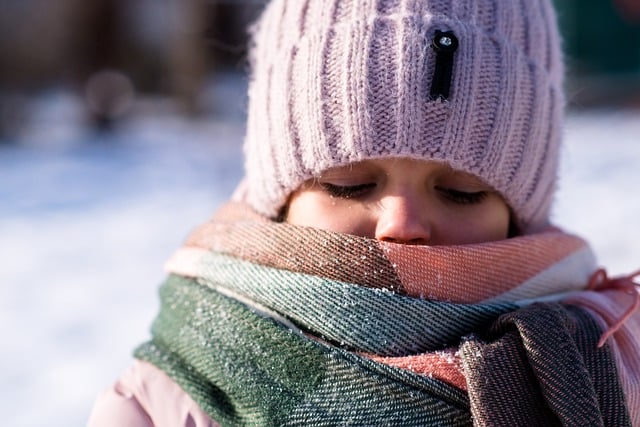
Hypothermia happens when the body gets too cold and cannot warm up fast enough. Children are at higher risk because they:
- have smaller bodies
- can get cold faster
- may not notice (or say) that they are #freezing
Hypothermia can happen #outdoors or indoors (for #example, during a power outage or if a child’s clothes stay wet).
What are the #early warning signs of hypothermia in kids?
Watch for early signs like:
- shivering
- cold or pale skin
- tiredness, weakness, or acting “off.”
- confusion or trouble speaking clearly (older children)
- clumsy movement
Serious signs can include very sleepy behavior, no shivering, or slow breathing. Treat these as emergencies.
What should you do if you think a child has hypothermia?
Use a calm, step-by-step response:
- Move the child to a warm, dry place right away
- Remove wet clothing (replace with dry clothes/blanket)
- Warm slowly (blankets, warm room, skin-to-skin for infants if appropriate and policy allows). For infant- and toddler-specific guidance on dressing, warming, and supervision during chilly weather, see the related ChildCareEd article Infant & Toddler Health Tips for the Chilly Season
- Call for #emergency help when needed (follow your program’s emergency procedures and local guidance)
Do not use very hot water or heating pads directly on skin. Slow and steady warming is #safer.
How does First Aid and CPR training help with winter cold emergencies?
Training helps you know how to:
For detailed, step‑by‑step guidance on assessing hypothermia, safe rewarming techniques, and when to call emergency services, see the article Winter Safety: Managing Hypothermia in Kids with First Aid & CPR Training.
- assess the child’s condition (breathing, alertness, skin color)
- Choose safe warming steps
- decide when it is an emergency and when to call for help
- Stay calm and #lead others during a #stressful moment
If a child becomes unresponsive or stops breathing, CPR skills are critical.
Learn CPR with AidCPR this winter to ensure staff have current, practical skills for responding to cold-related emergencies and winter injuries, and to take advantage of seasonal training offers aimed at childcare providers.
How can you prevent hypothermia during #outdoor- #play?
Preventing hypothermia is mostly about clothing, timing, and supervision.
Dress for success (the simple rule: layers):
- base layer (keeps skin dry)
- warm middle layer
- outer layer (blocks wind/water)
- hat and mittens (heat is lost fast from head and hands)
- warm socks and waterproof boots when needed
Outdoor play safety tips:
- do quick checks: “Are your hands warm? Are your socks dry?”
- shorten outdoor time when it’s very cold or windy
- bring children inside sooner if clothing gets wet
- have extra dry gloves/socks available
What are the biggest winter slip-and-fall risks in child care?
Most slips happen in “transition zones,” like:
- entryways and hallways
- near bathrooms or sinks
- places where snow melts off boots
Common winter fall hazards include:
- icy walkways
- puddles and wet #mats
- clutter (boots, bags, coats)
- rushing during drop-off and pick-up
How can you prevent slips and falls in winter #weather?
Try these small changes that make a big difference:
- Use two mat layers (a rough scraper mat outside + absorbent mat inside)
- Dry floors often (set a schedule during snowy/rainy days)
- Create a boot-and-coat “parking” system (bins, hooks, labeled spots)
- Use clear walking rules near doors (no running, one direction if possible)
- Check outdoor surfaces before children go out (ice patches, slick steps)
Also consider simple reminders for families like: “Please send shoes with good traction.”
How does AidCPR training help with falls and winter injuries? 
Falls can lead to bumps, bleeding, sprains, or possible fractures. First Aid training supports you in:
- checking for signs of a serious injury
- responding to bleeding safely
- deciding when a child should rest, be monitored, or need urgent care
For training that builds these skills, these AidCPR courses match this topic well:
- Pediatric Blended First Aid & CPR/AED Adult, Child, Infant: Buy Now
$85.00$80.00 - CPR & AED Adult, Child, Infant - Blended: Buy Now $85.00
- Adult First Aid Only - Blended: Buy Now $40.00
Why do indoor play injuries increase during winter?
When children can’t go outside as much, they still have the same need to move. Without a plan, energy can turn into:
- running indoors
- climbing unsafe furniture
- crashing into friends
- throwing hard toys
- rough play in tight spaces
Indoor injuries often happen during:
- transitions (waiting, lining up)
- loud, crowded play
- end-of-day “tired time.”
What are the most common indoor play injuries in winter?
In child care, indoor winter injuries often include:
- head bumps from falls
- collisions (kids running into each other)
- pinched fingers (doors, shelves)
- choking (small items, rushed snack time)
- trips over toys left on the floor
How can you make indoor active play safer in winter?
You don’t need a gym. You need clear zones and safe movement choices.
Set up “movement stations” (rotate every 10–15 minutes):
- beanbag toss into a basket
- painter’s tape “balance line” on the floor
- animal walks (bear crawl, crab walk)
- yoga poses or stretch cards
- dance-and- #freeze game
Make the room safer for movement:
- move sharp-edged furniture away from open areas
- remove tiny items during high-energy times (to reduce choking hazards)
- keep pathways open (less clutter = fewer trips)
- Use “soft” equipment for indoor movement (scarves, foam balls)
This is also a great place to use simple rules like:
- “Walking feet indoors.”
- “Hands stay to yourself.”
- “Stop means stop.”
What emergency-prep resource can help with winter storms and power outages?
Winter weather can bring closures, #delays, or power outages. A strong emergency kit helps you stay ready. This free AidCPR resource is a helpful starting point: Emergency Supply List Buy Now $0.00
It’s based on a Ready.gov supply kit checklist and includes basics like water, food, first aid items, flashlights, batteries, and important documents.
What’s a related ChildCareEd article you can share with #staff or families?
For more winter-season planning, indoor #health tips, and cold-weather reminders, this ChildCareEd article pairs well with your winter safety plan: Winter Weather and Indoor Air Quality Tips
Where can you get more safety tips and training updates from ChildCareEd?
For more child care safety reminders, seasonal tips, and training updates, follow ChildCareEd on social (pick your favorite platform here): https://linktr.ee/childcareed
What is the simplest winter safety checklist you can start using today?
Here’s a quick daily checklist that works for most programs:
- entry mats down and dry
- floors checked and wiped during busy times
- outdoor area checked for ice/slippery spots
- children dressed in layers (extras ready)
- Indoor movement plan ready for “no outdoor play” days
- First aid supplies are stocked and easy to reach
Winter can be safe and fun when you plan, supervise actively, and keep your skills fresh.
