Winter presents distinctive hazards that increase the risk of hypothermia in children; providers must understand both prevention and staged clinical management to reduce morbidity and mortality among young children exposed to cold environments.
At AidCPR we offer evidence-informed First Aid and CPR training. Childcare professionals can also enroll in ChildCareEd’s Pediatric Blended First Aid & CPR/AED Buy Now $85.00$80.00 or the in-person Pediatric First Aid & CPR class Buy Now $95.00 to gain the competencies needed to recognize hypothermia early, implement safe rewarming strategies, and coordinate escalation of care.
What is hypothermia in children and how do I recognize it?
Hypothermia occurs when the body loses heat faster than it can produce it, leading to a drop in core temperature. Children are particularly vulnerable due to their smaller body size, which makes them lose heat more quickly than adults.
See official prevention and response guidance from the CDC: Winter Weather & Hypothermia for stepwise first aid recommendations and warning signs.
What are the symptoms of hypothermia in children?
- Mild Hypothermia: Shivering, fatigue, clumsiness, and pale or cold skin.
- Moderate to Severe Hypothermia: Confusion, lack of coordination, slowed breathing, weak pulse, or unconsciousness.
Without prompt intervention, hypothermia can lead to severe complications or even death.
How does first aid and CPR training prepare you for winter emergencies?
Our First Aid and CPR courses go beyond the basics to address winter-specific emergencies, including hypothermia in children. Whether you’re a healthcare professional, teacher, or childcare provider, our training empowers you to act confidently and effectively in critical situations. Course content and competency expectations align with established Heartsaver frameworks for First Aid and CPR—covering environmental emergencies and pediatric response (AHA Heartsaver summary).
What key skills will you learn in first aid and CPR training?
-
Recognizing Early Warning Signs
Understand how to identify the symptoms of hypothermia before the condition becomes life-threatening. -
Preventative Measures
Learn practical strategies to keep children warm and safe, such as proper layering, hydration, and recognizing when it's time to come indoors. -
Emergency Response Techniques
- How to safely rewarm a child’s body.
- The importance of avoiding rapid warming methods that can cause shock.
- When and how to call for advanced medical help.
-
CPR for Severe Cases
In cases where hypothermia leads to cardiac arrest, our training ensures you know how to perform CPR correctly and use an Automated External Defibrillator (AED) if needed.
\Why should I take first aid and CPR training with AidCPR?
AidCPR offers tailored training programs designed to meet the unique needs of healthcare providers, educators, and childcare professionals. Here are the top benefits:
How does training enhance confidence in emergencies?
Knowing how to handle hypothermia, CPR, and other emergencies ensures you can act decisively when every second counts.
What life-saving interventions will you be able to perform?
From minor injuries to critical conditions, our courses teach skills that can save lives—not just in winter but year-round.
Which learning formats are available and how are they customized?
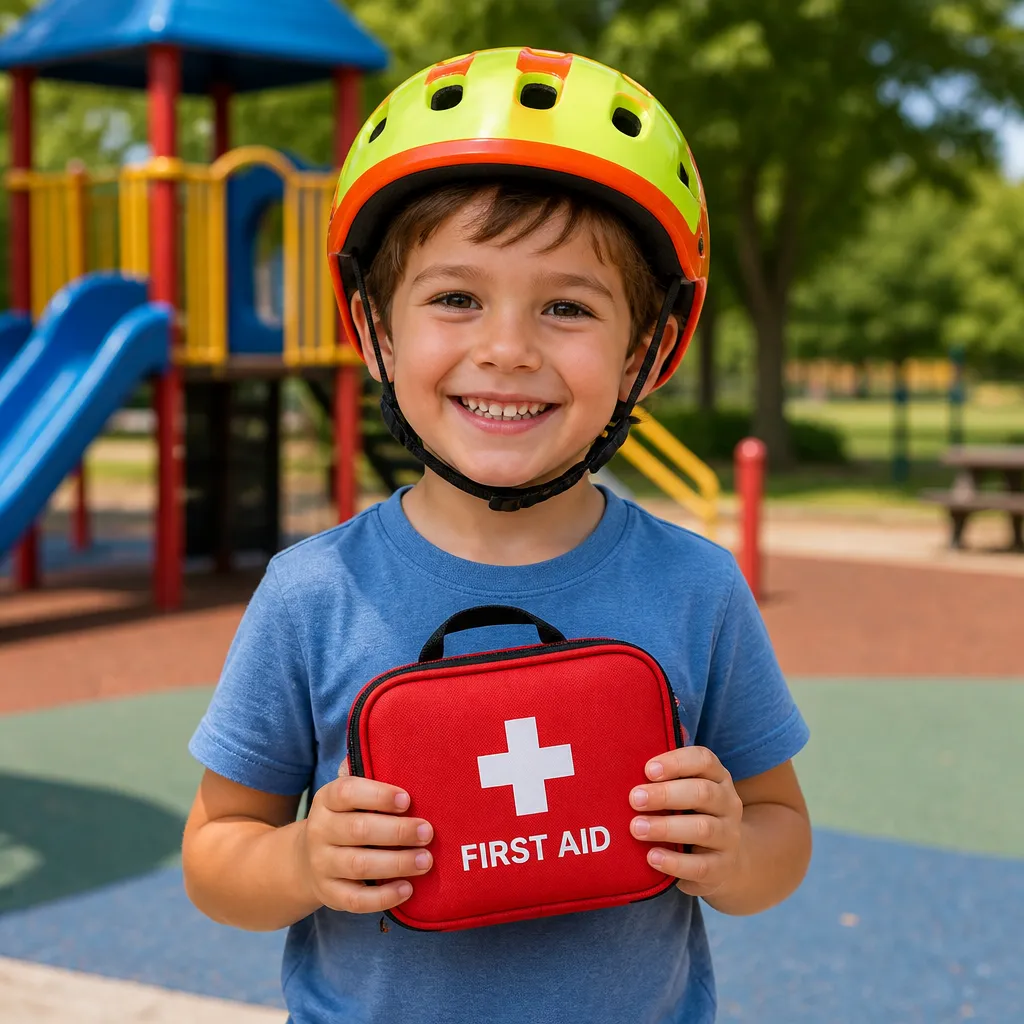
AidCPR provides flexible learning formats, including in-person and blended courses. This allows busy professionals to complete the online portion at their convenience and then attend a hands-on session at our Gaithersburg, MD location or at their workplace.
Which certifications support professional growth and credentialing?
For healthcare providers, our BLS for Healthcare Providers course fulfills CPR credentialing requirements and covers adult, child, and infant resuscitation. For educators and childcare professionals, our courses meet regulatory standards and boost your resume.
How does certification provide reassurance to parents and guardians?
Parents place their trust in you to care for their children. Being certified in First Aid and CPR reassures families that you’re prepared for emergencies.
What immediate winter safety steps prevent hypothermia?
Even before taking a course, there are steps you can take to keep children safe during winter activities: for program-level guidance on cold-weather policies and safe outdoor play see How Can Child Care Programs Keep Young Children Safe in Cold Weather?, guidance on maintaining safe and fun outdoor playtime at low temperatures How Can You Keep Kids Safe and Smiling During Winter Outdoor Play?, and a practical safety checklist in Winter Safety: Hypothermia, Slips, and Indoor Play Injuries.
- Dress Appropriately: Ensure children wear multiple layers, waterproof outerwear, and hats to retain body heat.
- Limit Exposure: Monitor how long children stay outside in freezing temperatures.
- Encourage Activity: Keep kids moving to generate body heat.
- Stay Dry: Wet clothing accelerates heat loss. Always have a dry change of clothes available.
However, prevention can only go so far. Training in First Aid and CPR is the ultimate safety net when accidents happen.
\When does first aid and CPR training make a difference in real-life winter incidents?
How can training change outcomes during an outdoor recess emergency?
A teacher notices a student shivering uncontrollably during recess. Thanks to her AidCPR training, she recognizes the early signs of hypothermia, moves the child indoors, removes wet clothing, and provides a warm blanket. Her quick action prevents the condition from worsening.
How does CPR help during severe winter exposure incidents?
During a sledding trip, a child becomes unconscious after prolonged exposure to freezing temperatures. A healthcare provider trained by AidCPR performs CPR and stabilizes the child until emergency responders arrive, saving their life.
How do I get started with First Aid and CPR training?
Taking a First Aid and CPR course with AidCPR is simple: for context on pediatric-focused training and caregiver expectations, see Pediatric First Aid and CPR Training with ChildCareEd, First Aid & CPR ~ Empowerment Through Lifesaving Skills, and Infant & Toddler Health Tips for the Chilly Season.
- Visit AidCPR.com or ChildCareEd’s Pediatric Blended First Aid & CPR Buy Now
$85.00$80.00 to explore course offerings. - Choose a program that fits your schedule and needs—whether Pediatric First Aid and CPR for teachers and childcare providers or BLS for Healthcare Providers. Consider blended or in-person options such as CPR & AED for All Ages (Blended) Buy Now $85.00.
- Complete the online portion, then attend a convenient skills session at our Gaithersburg, MD location or your workplace.
Summary: What should you remember about winter hypothermia and training?
Cold exposure can initiate a progressive clinical syndrome characterized by impaired thermoregulation; therefore, primary prevention—formalized policies for appropriate clothing layers, limits on outdoor exposure, prompt replacement of wet garments, and routine staff competency training—remains the most effective control to reduce morbidity. If prevention is breached, timely recognition and staged clinical management (promptly moving the child to a warm environment, removing wet clothing, applying passive external rewarming with dry insulating layers, offering warmed oral fluids only if the child is alert and can swallow safely, and activating emergency medical services for moderate or severe presentations) minimize physiologic deterioration. Child care programs should integrate the CDC's symptom checks and graduated rewarming steps into written emergency procedures.
Training in pediatric first aid and CPR improves team readiness in two ways: it standardizes on-site assessment and immediate care actions, and it ensures caregivers can escalate appropriately (e.g., initiating CPR and AED use when indicated). Choose a training format that includes pediatric scenarios and hands-on skills verification to ensure competency under stress; blended learning is often efficient for knowledge acquisition, while in-person or skills-verification sessions secure psychomotor competence.
Action steps: (1) Adopt a written cold-weather safety policy and post it where staff and substitutes can find it; (2) run a short scenario-based drill with staff at least once per season; (3) verify that assigned caregivers hold current pediatric first aid/CPR certification; and (4) review your emergency transport/911 procedures so they are practiced and clear. These steps turn training into reliable, consistent protection for children.
Winter emergencies like hypothermia are unpredictable but preventable. By enrolling in a First Aid and #CPR course with AidCPR, you’re not just gaining valuable skills—you’re becoming a lifeline for the children in your care.
Whether you’re a healthcare professional, teacher, or childcare provider, your training could mean the difference between life and death. Let’s work together to create safer environments for children this winter and beyond.
