How Can You Stay Safe During Extreme Heat?
As #summer temperatures soar, protecting yourself and others from #heat-related illnesses becomes more critical than ever. Whether you’re spending time #outdoors, working in childcare, or managing #health conditions, staying #safe in the heat requires awareness and preparation. For hands-on response skills, consider ChildCareEd’s Pediatric Blended First Aid & CPR Buy Now $85.00$80.00 and the Basic Health & Safety Buy Now $35.00 training — both provide practical instruction useful for caregivers and program staff.
Which children and staff are most vulnerable to heat, and how should programs assess that risk?
Programs must identify groups at elevated risk for heat-related morbidity: infants and toddlers who cannot regulate fluid intake or communicate distress, children with chronic conditions (for example, asthma or cystic fibrosis), children taking medications that impair thermoregulation, and staff members with cardiovascular or metabolic conditions. Risk assessment is practical and programmatic: maintain an easily accessible roster that flags known medical vulnerabilities, note outdoor exposure times for each classroom, and document ambient temperatures in play areas and vehicles.
Assessment should be systematic rather than anecdotal. During daily arrival checks and outdoor transitions, staff should record behavioral and physiological indicators (lethargy, irritability, dry mucous membranes, or unusually flushed skin) in the child’s care log and notify the program lead for follow-up. These simple documentation practices both inform immediate care decisions and create longitudinal data used to adjust schedules or environments when heat risk rises. See ChildCareEd guidance on program-level outdoor-play precautions: How can child care programs prevent heat-related illness during outdoor play?. Also see regional guidance on hydration for the youngest children: How can Minnesota child care programs keep infants and toddlers hydrated and safe in hot weather?.
How should child care programs modify routines, environments, and policy during heat events?
Operational adjustments reduce exposure and protect health. Programs should adopt a written heat-response protocol that defines temperature thresholds for cancelling or modifying outdoor activity (for example, use of heat-index guidance rather than air temperature alone), procedures for relocating to shaded or cooled areas, and rules for hydration frequency by age group. Staggering outdoor activity to early morning or late afternoon, shortening outdoor sessions, and increasing supervision ratios during warm-weather activities are practical modifications that preserve play opportunities while reducing risk.
Environmental controls include portable shade structures, misting stations (used with staff supervision and clear sanitation procedures), and ensuring HVAC systems are operating within manufacturer recommendations. Where central cooling is unavailable, identify nearby community cooling centers and have written permission and transport plans for emergency relocation. For guidance on balancing program needs and heat safety in policy, consult ChildCareEd’s broader seasonal-safety resource: How can child care programs prevent seasonal safety hazards? and the program-focused article How Can Child Care Programs Beat the Heat and Keep Children Safe on Hot Days?.
What documentation, training, and supplies prepare staff to respond if a heat emergency occurs?
Preparation is both clinical and administrative. Ensure every classroom has an accessible heat-response kit that includes oral rehydration solutions, cooling packs, a shaded stretcher or cot, a reliable thermometer, and a communication plan with emergency contacts. Documentation forms should allow staff to record time, observed signs, interventions provided (cooling measures, fluids given), and any calls to emergency services — this reduces uncertainty during escalation and supports post-event review.
Training expectations should be explicit in job descriptions and orientation. For practical clinical signs, recognition cues, and response steps framed for frontline staff, see ChildCareEd's guidance: How can New York child care providers spot and respond to heat exhaustion and heatstroke in young children?. Core competencies include recognition of early heat-related illness, staged cooling interventions (move to shade/cooling area, remove excess clothing, apply cool compresses, administer fluids if tolerated), and criteria for emergency escalation (for example, persistent altered mental status, very high temperature, or collapse). ChildCareEd courses can supply the necessary competency-based instruction; for on-site first aid skills relevant to heat events, the Pediatric Blended First Aid & CPR Buy Now $85.00$80.00 course provides scenario-based practice that staff can apply during heat response. Additional program resources include vehicle-safety guidance to prevent child-vehicle heat exposure: Vehicle Safety Tips for Summer.
Program leaders should schedule annual drills for heat responses and review incident logs quarterly to identify trends. When staffing or structural constraints limit on-site cooling, document mitigation steps taken and communicate them to parents and licensing authorities as required.
What Are the Dangers of Heat Illness?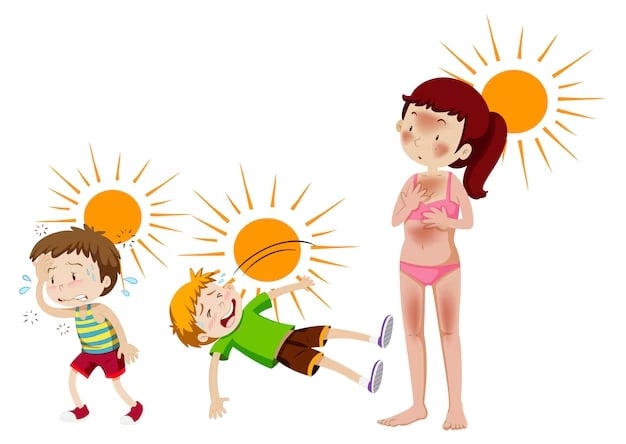
Extreme heat can #lead to a range of medical emergencies, from heat cramps and heat exhaustion to life-threatening heat stroke. Symptoms may include:
-
Dizziness or fainting
-
Rapid pulse
-
Muscle cramps
-
Confusion or altered #mental status
-
Hot, dry skin (or profuse sweating)
Understanding how to recognize and respond to these signs is key to preventing severe outcomes. For more detailed guidance, view our First Aid for Heat Illness Info Sheet.
How Can You Prevent Heat-Related Emergencies?
Here are proactive steps to stay safe in hot #weather:
-
Hydrate Frequently: Drink water regularly, even if you’re not thirsty.
-
Avoid Peak Heat: Limit outdoor activity between 10 AM and #4 PM.
-
Dress Smart: Wear lightweight, light-colored clothing and a hat.
-
Use Shade or Cooling Areas: Especially important for children and the elderly.
-
Never Leave Children or Pets in Vehicles: Temperatures inside a car can become deadly in minutes.
Are You Trained to Respond to a Heat Emergency?
Knowing how to take action during a heat #emergency can save lives. Whether you’re a #parent, childcare worker, or community member, it's vital to have up-to-date training.
🩺 Take our First Aid Course Buy Now $115.00 to learn how to respond to various emergencies, including heat-related incidents.
💊 If you're administering medication in a care setting, consider our 6-Hour Medication Administration Course Buy Now $89.00, which covers safe practices during environmental extremes. Staff who want to build on these skills and explore career options can read about how medical administration training can open pathways into healthcare administration and allied roles.
How Can You Stay Updated and Informed?
Follow AIDCPR on social media to get:
-
Safety tips
-
First aid reminders
-
New course alerts
-
Emergency response resources
Join our community to stay prepared, connected, and safe all year long.
What are the key takeaways for programs and caregivers?
A concise program summary helps translate policy into practice. Prioritize: 1) proactive risk identification (document vulnerabilities and exposure times), 2) environmental and schedule adjustments guided by heat-index thresholds, 3) universal hydration and shaded-rest opportunities, and 4) role-based training and documentation so staff can recognize early signs and escalate promptly. Regularly update policies based on incident reviews and local public-health guidance, and ensure families receive clear, written communication about how the program manages heat risk.
Implementing these measures reduces the incidence of heat-related illness and makes response more consistent when events do occur. If you need training that addresses recognition and in-the-moment care, explore ChildCareEd courses and schedule staff competency checks at routine intervals.
How should programs summarize heat-safety actions for staff and families?
Prioritize risk identification, schedule and environmental adjustments, universal hydration, and role-based training; document and communicate measures to families and licensing authorities. Regular drills and incident reviews keep responses reliable. Contact ChildCareEd for training resources and competency checks.
👉 Follow us today and share these tips with others. Together, we can save lives.
