For decades, CPR (Cardiopulmonary Resuscitation) has been a vital, life-saving skill. But did you know that the way we perform CPR today looks very different from how it started? From the #early days of chest thumping to today’s evidence-based techniques, CPR has seen dramatic changes—all with one goal: saving more lives. Consider enrolling in ChildCareEd's Pediatric In-Person First Aid & CPR/AED Buy Now $95.00 or the CPR & AED (Adult, Child, Infant) — Blended Buy Now $85.00 to practice modern techniques and gain skills verification for licensing records.
If you are wondering how CPR has evolved and why modern training matters more than ever, keep reading. For practical reasons to become certified and course options designed specifically for teachers, parents, and daycare providers, see our article on why teachers, parents, and daycare providers should get first aid and CPR certified.
🕰️How Did CPR Begin?
Believe it or not, CPR as we know it wasn’t introduced until the 1960s. Before then, #emergency-response relied on more experimental methods—think arm-lifting and back pressure, or even mouth-to-mouth with no chest compressions. In 1960, researchers discovered that combining chest compressions with rescue breaths could restore circulation and dramatically increase survival rates.
That discovery changed everything.
🧪What Has Changed in CPR Over the Years?
Over the last 60+ years, CPR techniques have continually improved based on scientific research and real-world outcomes. Here are a few key ways CPR has evolved:
-
Hands-Only CPR: Today, untrained bystanders are encouraged to do compressions only (no rescue breaths), especially in adult cardiac arrest situations.
-
Compression Depth & Rate: The recommended depth is now at least 2 inches, and the ideal rate is 100–120 compressions per minute—the rhythm of “Stayin’ Alive” by the Bee Gees!
-
AED Use: Automated External Defibrillators (AEDs) are more widely available and easier to use than ever. #AED #CPRTraining
-
Focus on Minimal Interruptions: Rescuers are taught to reduce pauses between compressions for better blood flow.
-
Infant & Child-Specific Guidelines: CPR now includes distinct steps for infants, children, and adults to improve age-specific outcomes.
CPR evolved from disparate rescue techniques into a standardized, evidence-based algorithm through a sequence of clinical observations and guideline updates. Early modern cardiopulmonary resuscitation began after researchers demonstrated that combining chest compressions with rescue ventilations could restore circulation; that insight drove the first systematic training programs. Over subsequent decades, iterative research refined the priority and mechanics of resuscitation: emphasis shifted toward uninterrupted, high-quality chest compressions; recommended compression depth and rate were standardized; and the practical value of early defibrillation led to widespread deployment of Automated External Defibrillators (AEDs) in public venues. More recently, guideline panels prioritized compression-first sequences for untrained bystanders and simplified protocols to improve bystander willingness to act. These changes reflect both laboratory physiologic data and population-level outcomes, and they are summarized in clinical overviews and guideline reviews. MedlinePlus provides a concise clinical synopsis of current compression depth/rate and hands-only recommendations, while synthesis of guideline evolution and rationale is available from University of Washington materials on CPR practice. For child care programs, consult state-specific guidance on training and accepted course formats; see ChildCareEd's Washington and Nevada guidance for compliance information on CPR, AEDs, and staff training requirements (How can Washington early childhood programs stay safe with CPR and AEDs?) and (What CPR and AED skills should every Nevada child care educator know?). For practical, program-focused guidance on essential CPR skills and provider responsibilities in child care settings, see CPR for childcare providers: what to know. This historical perspective explains why modern courses emphasize measurable compression quality, age-specific algorithms (infant/child/adult), early AED access, and routine skills verification to maintain psychomotor competency. #CPRTraining
📚Why Should I Learn Modern CPR Techniques?
Even if you were certified years ago, CPR guidelines change frequently. Staying up to date ensures you’re ready to respond confidently and correctly when it counts.
Which CPR course is right for child care professionals?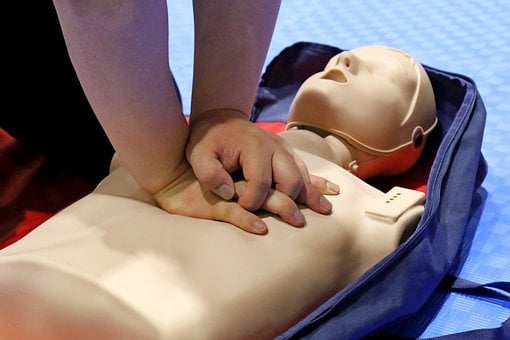
Selecting a course depends on the ages you care for and your licensing requirements. Recommended ChildCareEd options include the following accredited programs that emphasize infant/child skills, AED use, and practical skills verification. If you need a blended certification that covers both pediatric and adult skills, consider the Pediatric and Adult First Aid and CPR Certification, which combines online learning with a hands-on skills session suitable for licensing documentation.
- Pediatric In-Person First Aid & CPR/AED Buy Now $95.00 — In-person course with hands-on practice for infants, children, and adults; ideal for daycare staff who require skills verification.
- CPR & AED (Adult, Child, Infant) — Blended Buy Now $85.00 — Online theory plus a skills session; suits staff who need flexible online study plus live assessment.
- Pediatric RSV First Aid & CPR/AED Buy Now
$115.00$95.00 — Blended pediatric-focused certification that includes respiratory-illness awareness and pediatric resuscitation practice.
Confirm employer and licensing acceptance for any course you choose; course content and accepted formats vary by state and by licensing body. Where regulations require in-person skills demonstration, select a blended or in-person ChildCareEd offering that includes skills verification.
🧰What Emergency Supplies Should I Keep on Hand?
CPR is most effective when paired with proper emergency prep. Make sure your #home or workplace is stocked with essential supplies. We recommend downloading this free checklist:
📦 Emergency Supply List Buy Now $0.00
From gloves and bandages to AEDs and backup power, this list covers everything you need.
Where can I read more on ChildCareEd about CPR, choking, and emergency readiness?
For practical guidance tailored to child care settings, these ChildCareEd articles provide deeper, actionable detail on choking response, pediatric first aid, and program-level preparedness:
For parents and teachers who need concise, practical training to act quickly in a pediatric emergency, see our article on pediatric first aid training for caregivers and teachers: When Seconds Count: How Pediatric First Aid Training Empowers Parents and Teachers to Act Quickly.
- AidCPRProcess — How AidCPR structures blended and in-person CPR certification.
- First Aid and CPR: An Investment in Community Safety — Why facility-level investment in training matters.
- Why Pediatric First Aid Training is Crucial for Daycare Providers — Pediatric-specific scenarios and training priorities.
- For a succinct, childcare-focused rationale and course recommendations, see Keeping Kids Safe: Why Pediatric First Aid and CPR Training is Essential for Childcare Providers.
- Pediatric First Aid and CPR Training with ChildCareEd — Course overview and learner expectations.
- Could You Save a Choking Child? Learn How with AidCPR — Stepwise choking protocol for caregivers.
- What CPR and AED skills should every Nevada child care educator know? — Age-specific skills and AED considerations for child care settings.
- How can Washington early childhood programs stay safe with CPR and AEDs? — Washington-specific guidance on training, AED availability, and compliance.
Also follow ChildCareEd on social channels for course updates, policy clarifications, and annual refresh reminders to maintain competency.
Summary: What should I remember about modern CPR?
Contemporary CPR emphasizes high-quality, minimally interrupted chest compressions at a rate and depth shown to optimize perfusion, early access to an AED when indicated, and age-appropriate technique modifications for infants and children. Hands-only CPR is recommended for untrained bystanders encountering an adult in sudden collapse; trained rescuers should apply the appropriate adult, child, or infant algorithm that includes ventilations when indicated. These practices are supported in clinical summaries such as MedlinePlus and guideline reviews (see University of Washington synthesis).
For child care professionals: prioritize a course that includes pediatric skills practice and AED familiarization, confirm acceptance with your licensing body, and schedule regular refreshers to maintain psychomotor competency. ChildCareEd offers both in-person and blended pediatric-first-aid and CPR programs including Pediatric In-Person First Aid & CPR/AED Buy Now $95.00 and blended options with skills verification. Staff who work alongside healthcare providers or whose roles require advanced clinical competencies may prefer ChildCareEd's BLS Training For Healthcare Providers With ChildCareEd for a provider-focused curriculum and flexible scheduling. Enroll in training that matches your program requirements and document completion for licensing records.
Next steps: 1) Choose a ChildCareEd course that covers infants and children and includes skills verification; 2) confirm with your licensing specialist that the format meets local requirements; 3) keep an accessible AED on site and rehearse emergency response protocols with staff. With regular training and clear policies, programs substantially increase the likelihood of an effective response.
- CPR & AED Adult only
- Basic Life Support (BLS) In-Person Healthcare Providers
- Adult Only CPR AED and Adult First Aid Blended
- Basic Life Support (BLS) Blended Healthcare Providers
- Pediatric Blended First Aid & CPR/AED Adult, Child, Infant
- Pediatric RSV First Aid & CPR/AED
- Pediatric In-Person First Aid & CPR/AED Adult, Child, Infant
