Latest Blog & News
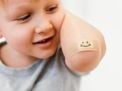
Bandages or Breaths? First Aid Kits vs. CPR Response in the Classroom 🩹❤️🩹
09/09/2025A scraped knee and a sudden medical emergency call for different responses, but educators need to be prepared for both. A well-stocked first aid kit and staff trained in CPR are essential parts of classroom readiness. ChildCareEd’s Pediatric Blended First Aid & CPR/AED Adult, Child, Infant... Bandages or Breaths? First Aid Kits vs. CPR Response in the Classroom 🩹❤️🩹
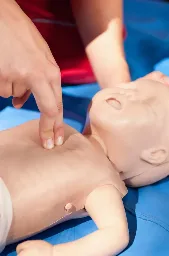
🫁Lifesaving Made Simple: How Easy It Is to Get CPR & First Aid Certified with AIDCPR
09/25/2025Many people want to learn CPR and first aid but worry about the time, cost, or complexity. At AIDCPR.com, blended learning courses make training more flexible by allowing you to complete most coursework online at your own pace, followed by a short in-person skills session. Child care professionals ... 🫁Lifesaving Made Simple: How Easy It Is to Get CPR & First Aid Certified with AIDCPR

Tiny Lives, Big Emergencies: How CPR Can Save Children in Critical Moments
09/04/2025When a child has a life-threatening emergency, prompt action can matter. Child care professionals should follow their program’s emergency plan, call 911 when indicated, and follow the dispatcher’s instructions. CPR and first aid training can help caregivers recognize an emergency and res... Tiny Lives, Big Emergencies: How CPR Can Save Children in Critical Moments
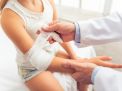
Building a First Aid Kit That Kids (and Caregivers) Can Count On
09/16/2025Emergencies can happen at any time in a child care setting, from scraped knees to sudden illness. A well-stocked and regularly maintained first aid kit helps caregivers respond quickly and confidently. This guide explains how to assemble and maintain a kit that fits the needs of your program... Building a First Aid Kit That Kids (and Caregivers) Can Count On

Choking in Children: Why Teachers and Daycare Providers Must Be Prepared
02/11/2025It was a normal day in Ms. Clara’s #preschool class—laughter and the sounds of children playing filled the room. Snack time had just begun, and the kids were eagerly munching on apple slices and crackers. Suddenly, the room’s joyful buzz was interrupted by a sound no #teacher wants... Choking in Children: Why Teachers and Daycare Providers Must Be Prepared
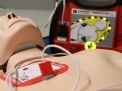
AEDs in Public Places: How to Use One in an Emergency
08/07/2025AEDs in Public Places: How to Use One in an Emergency In a public venue, one person can call emergency services while another retrieves the AED and a third begins CPR. If you are alone, call 911, use speakerphone when possible, and follow the dispatcher’s directions. Do not leave the ... AEDs in Public Places: How to Use One in an Emergency

Ready, Set, Save! How Your CPR & First Aid Skills Can Supercharge Your Community
08/20/2025Ready, Set, Save! How Your CPR & First Aid Skills Can Strengthen Community Preparedness What Happens When You're First Aid & CPR Certified? By earning your first-aid and CPR skills, you're not just gaining skills—you’re becoming a safety champion in your community. Certific... Ready, Set, Save! How Your CPR & First Aid Skills Can Supercharge Your Community

Backpacks, Pencils… and CPR? Why First Aid Belongs on Your Back-to-School List!
08/29/2025Backpacks, Pencils… and CPR? Why First Aid Belongs on Your Back-to-School List! Why Should CPR and First Aid Be Part of Back-to-School Prep? Back-to-school season is all about getting ready—new supplies, schedules, and routines. Pair #safety training with simple classroom traditio... Backpacks, Pencils… and CPR? Why First Aid Belongs on Your Back-to-School List!
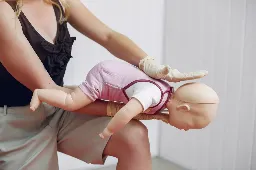
Tiny Hearts, Big Differences: Infant vs. Child CPR Every Educator Should Know 🍼❤️👧
09/09/2025Tiny Hearts, Big Differences: Infant vs. Child CPR Every Educator Should Know 🍼❤️👧 In early childhood settings, a cardiac or breathing emergency requires a coordinated response and age-appropriate training. This overview compares infant and child CPR concepts, but it is not a substitute... Tiny Hearts, Big Differences: Infant vs. Child CPR Every Educator Should Know 🍼❤️👧

First Aid for Teachers: Ready to Be the Classroom Hero When Emergencies Happen
09/22/2025First Aid for Teachers: Ready to Be the Classroom Hero When Emergencies Happen Every #teacher knows that a day in the #classroom can bring unexpected injuries or illness. Preparedness means more than keeping supplies nearby: staff need clear roles, current emergency contacts, a practiced response p... First Aid for Teachers: Ready to Be the Classroom Hero When Emergencies Happen
