Latest Blog & News in English
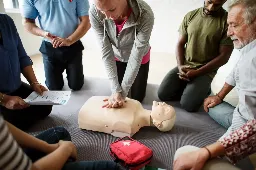
Camp-Ready & CPR-Certified: Be Prepared for Every Summer Adventure
05/07/2025Summer programs and daycare operations concentrate physical activity and supervision demands, elevating the incidence of injuries and acute pediatric health events. Program leaders and direct-care staff must function as competent first responders; equipping every caregiver with Pediatric First Aid a... Camp-Ready & CPR-Certified: Be Prepared for Every Summer Adventure

When a Child Collapses: What Can You Do Before EMS Arrives?
10/07/2025When a Child Collapses: What Can You Do Before EMS Arrives? A child’s sudden collapse demands a rapid, organized response. This article outlines actionable steps to help caregivers assess the situation, activate emergency services, and respond while EMS is on the way. 🧊 Why Does a Child... When a Child Collapses: What Can You Do Before EMS Arrives?

Choking in Children: Why Teachers and Daycare Providers Must Be Prepared
02/11/2025It was a normal day in Ms. Clara’s #preschool class—laughter and the sounds of children playing filled the room. Snack time had just begun, and the kids were eagerly munching on apple slices and crackers. Suddenly, the room’s joyful buzz was interrupted by a sound no #teacher wants... Choking in Children: Why Teachers and Daycare Providers Must Be Prepared

❤️Essential First Aid Tips Every Parent and Caregiver Should Know
08/19/2025In environments where children play, learn, and receive care, minor injuries and acute medical emergencies can occur. Preparation enables adults to respond more effectively. Whether you’re a #parent, grandparent, or child care professional, foundational knowledge of first aid and CPR can suppo... ❤️Essential First Aid Tips Every Parent and Caregiver Should Know

Allergy Alert! Asthma Action! What Every Childcare Hero Should Know
09/16/2025Children are curious, energetic, and sometimes unpredictable—especially when it comes to allergies, asthma, and anaphylaxis. For child care providers, understanding these conditions is essential. This article will help you recognize signs, prepare responses, and protect children. For focused p... Allergy Alert! Asthma Action! What Every Childcare Hero Should Know
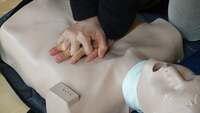
The Life-Saving Power of Knowing CPR: Why It Matters More Than You Think
08/26/2025The Life-Saving Power of Knowing CPR: Why It Matters More Than You Think When emergencies strike, every second counts. Knowing CPR can make the difference between life and death—whether you're a healthcare professional, a parent, or a bystander. Explore in-person First Aid and CPR training or... The Life-Saving Power of Knowing CPR: Why It Matters More Than You Think

Winter Safety: Managing Hypothermia in Kids with First Aid & CPR Training
01/03/2025Winter presents distinctive hazards that increase the risk of hypothermia in children; providers must understand both prevention and staged clinical management to reduce morbidity and mortality among young children exposed to cold environments. At AidCPR we offer evidence-informed First Aid and CPR... Winter Safety: Managing Hypothermia in Kids with First Aid & CPR Training

April Foolproof: Don’t Be Caught Off Guard—Learn Pediatric First Aid & CPR!
03/28/2025April may be associated with pranks and sudden showers, but emergencies involving children demand deliberate preparation. For childcare providers, teachers, and parents, cultivating reliable pediatric first aid and resuscitation competencies is essential. Consider ChildCareEd's practical training op... April Foolproof: Don’t Be Caught Off Guard—Learn Pediatric First Aid & CPR!

Superheroes Without Capes: Why Parents, Teachers & Providers Need Pediatric First Aid & CPR
05/16/2025When professionals work with young children, unpredictability is inherent: an otherwise settled classroom can, within moments, require immediate clinical judgment and coordinated, team-based action. Pediatric First Aid and CPR furnish practitioners with procedural competence, structured assessment f... Superheroes Without Capes: Why Parents, Teachers & Providers Need Pediatric First Aid & CPR

CPR, Crayons & Confidence: Why Every Daycare Hero Needs Pediatric First Aid Training!
05/17/2025Dear early childhood professionals,In early care and education settings, practitioners negotiate frequent transitions, address minor injuries, and interpret subtle behavioral indicators while advancing children’s developmental trajectories. Even experienced caregivers benefit from formal, stan... CPR, Crayons & Confidence: Why Every Daycare Hero Needs Pediatric First Aid Training!
