Latest Blog & News in English

Be a Summer Hero: Learn Pediatric First Aid & CPR with AidCPR!
06/08/2025Storytime: A Summer Day, A Split Second, A Lifesaving Skill Imagine a balmy summer afternoon at the neighborhood pool: children's voices punctuate the air as games progress, while supervising adults may be briefly distracted. A camp counselor, Lily, scans the deep end and notices a child moving sil... Be a Summer Hero: Learn Pediatric First Aid & CPR with AidCPR!
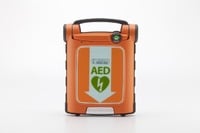
Why AED Knowledge is a Must-Have Skill for All Caregivers
01/03/2025In emergencies where seconds can determine survival, possessing both the clinical knowledge and procedural confidence to respond decisively is essential. Automated External Defibrillators (AEDs) are portable defibrillation devices that, when deployed promptly and in conjunction with high-quality car... Why AED Knowledge is a Must-Have Skill for All Caregivers

AidCPRProcess
01/08/2025Welcome to AidCPR Emergencies occur without warning; preparedness mitigates risk and improves outcomes. AidCPR delivers competency-based First Aid and CPR instruction grounded in established practice, enabling educators, early childhood providers, parents, security personnel, and allied health staf... AidCPRProcess

First Aid and CPR: An Investment in Community Safety
01/03/2025In complex, mobile societies, medical emergencies arise without warning—in classrooms, playgrounds, workplaces, or private homes. Rapid, competent response via First Aid and cardiopulmonary resuscitation (CPR) reduces morbidity and mortality and constitutes an essential professional and civic ... First Aid and CPR: An Investment in Community Safety

Be a Superhero: Get Certified in Pediatric First Aid & CPR on March 29!
03/22/2025Picture this: A routine morning at your childcare program becomes critical when a child begins to choke on a snack; the seconds that follow require prompt assessment, effective airway management, and coordinated care to avert a catastrophic outcome. What do you do? Formal training in pediatric fir... Be a Superhero: Get Certified in Pediatric First Aid & CPR on March 29!
Daylight Savings Means More Play—Be Ready with CPR & First Aid Training!
03/09/2025As the clocks spring forward and days lengthen, children’s opportunities for exploration and unsupervised activity increase—and so does the likelihood and variety of on-site injuries. Early childhood professionals who pair situational awareness with validated competencies in pediatric fi... Daylight Savings Means More Play—Be Ready with CPR & First Aid Training!

March Madness for Safety: Why Teachers Should Take Pediatric First Aid & CPR with AidCPR
03/11/2025Teachers are responsible for the safety and well-being of the children in their care; pediatric first aid and CPR training equips educators to assess and intervene decisively when minutes matter. ChildCareEd offers both an in-person Pediatric First Aid & CPR course (Pediatric In‑Person First A... March Madness for Safety: Why Teachers Should Take Pediatric First Aid & CPR with AidCPR

The Day a Superhero Saved the Classroom—Why You Need Pediatric First Aid & CPR Training
04/03/2025How did Miss Jenna become a classroom hero? Miss Jenna’s preschool class was buzzing with energy. It was snack time, and little giggles filled the room as tiny hands reached for crackers and juice. But in an instant, the laughter stopped. Liam, the most adventurous little explorer in her cla... The Day a Superhero Saved the Classroom—Why You Need Pediatric First Aid & CPR Training

Security Pros: Add Life-Saving Skills to Your Toolkit with AidCPR
04/09/2025Consider a common operational scenario: at 7:15 p.m., while conducting a routine lobby patrol of a busy office complex, a middle‑aged individual collapses and becomes unresponsive. As the on‑duty security professional you may be the only trained responder present; timely, technically proficient ... Security Pros: Add Life-Saving Skills to Your Toolkit with AidCPR

Celebrate Heart Month: Learn CPR & First Aid to Protect Little Hearts!
02/13/2025February is American Heart Month, an annual public-health observance that foregrounds cardiovascular awareness and prevention. For early childhood professionals, this observance is a pragmatic prompt: Pediatric First Aid and CPR training establishes verifiable competencies th... Celebrate Heart Month: Learn CPR & First Aid to Protect Little Hearts!
