Latest Blog & News
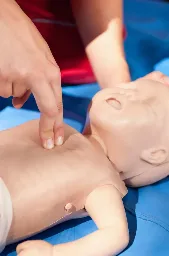
Tiny Hearts, Big Help: What Caregivers Need to Know from the Latest AHA Pediatric BLS Update
09/22/2025Tiny Hearts, Big Help: What Caregivers Need to Know from the Latest AHA Pediatric BLS Update When every second counts, caregivers and #teachers can play an important role in an emergency. This article reviews pediatric Basic Life Support (BLS) concepts and their relevance to child care settings. An... Tiny Hearts, Big Help: What Caregivers Need to Know from the Latest AHA Pediatric BLS Update

Team Up to Save Lives: How to Schedule Group CPR & First Aid Training Through ChildCareEd
09/22/2025Team Up to Save Lives: How to Schedule Group CPR & First Aid Training Through ChildCareEd When emergencies happen, coordinated preparation matters. Scheduling group First Aid and CPR training gives staff a shared opportunity to acquire and practice emergency-response competencies. ChildCareEd o... Team Up to Save Lives: How to Schedule Group CPR & First Aid Training Through ChildCareEd

Shakes, Drops & Teacher Superpowers: Handling Seizures and Emergencies in Your Classroom
09/16/2025When medical emergencies occur in early childhood settings, a calm, informed response can mitigate risk and support the child’s immediate needs. Seizures, allergic reactions, and other acute events require current, individualized health information, clearly delineated staff responsibilities, a... Shakes, Drops & Teacher Superpowers: Handling Seizures and Emergencies in Your Classroom

❤️Essential First Aid Tips Every Parent and Caregiver Should Know
08/19/2025In environments where children play, learn, and receive care, minor injuries and acute medical emergencies can occur. Preparation enables adults to respond more effectively. Whether you’re a #parent, grandparent, or child care professional, foundational knowledge of first aid and CPR can suppo... ❤️Essential First Aid Tips Every Parent and Caregiver Should Know

Allergy Alert! Asthma Action! What Every Childcare Hero Should Know
09/16/2025Children are curious, energetic, and sometimes unpredictable—especially when it comes to allergies, asthma, and anaphylaxis. For child care providers, understanding these conditions is essential. This article will help you recognize signs, prepare responses, and protect children. For focused p... Allergy Alert! Asthma Action! What Every Childcare Hero Should Know

Breathe Easy: How to Spot Early Signs of Respiratory Distress in Children
09/04/2025Breathe Easy: How to Spot Early Signs of Respiratory Distress in Children In children, emergencies can escalate quickly. Respiratory distress is a serious breathing problem that can progress to cardiac arrest if it is not recognized and treated promptly. With relevant training and a clear respons... Breathe Easy: How to Spot Early Signs of Respiratory Distress in Children
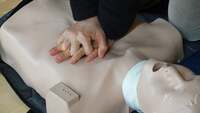
The Life-Saving Power of Knowing CPR: Why It Matters More Than You Think
08/26/2025The Life-Saving Power of Knowing CPR: Why It Matters More Than You Think When emergencies strike, every second counts. Knowing CPR can make the difference between life and death—whether you're a healthcare professional, a parent, or a bystander. Explore in-person First Aid and CPR training or... The Life-Saving Power of Knowing CPR: Why It Matters More Than You Think

Cardio-Ready and Confident: Why Keeping Your CPR Certification Current Is Critical
08/12/2025Why Should You Keep Your CPR Training Current, and How Often Should You Renew It? Whether you're a healthcare professional, child care provider, teacher, or responsible adult, current CPR training can help you respond within the scope of your preparation. Child care professionals can review AIDCP... Cardio-Ready and Confident: Why Keeping Your CPR Certification Current Is Critical
Your First CPR Class? Here's What You Can Expect
08/05/2025Your First CPR Class? Here's What You Can Expect (And Why You'll Be Glad You Came) Pursuing CPR certification can initially feel intimidating, yet the process is fundamentally empowering. Whether training is required for employment, intended to strengthen emergency preparedness, or motivated by a... Your First CPR Class? Here's What You Can Expect

Winter Safety: Managing Hypothermia in Kids with First Aid & CPR Training
01/03/2025Winter presents distinctive hazards that increase the risk of hypothermia in children; providers must understand both prevention and staged clinical management to reduce morbidity and mortality among young children exposed to cold environments. At AidCPR we offer evidence-informed First Aid and CPR... Winter Safety: Managing Hypothermia in Kids with First Aid & CPR Training
