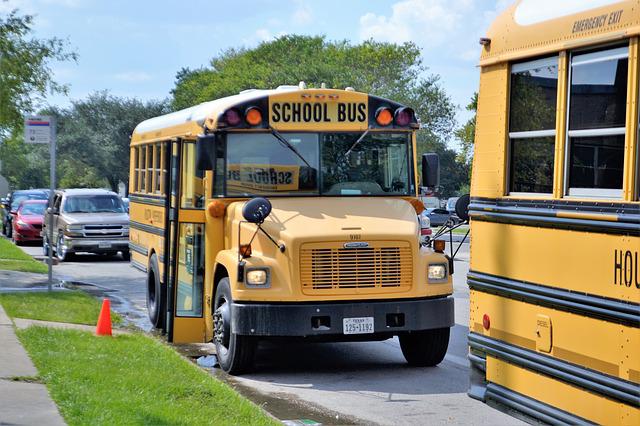
 Field trips are the magical moments of child care—bus rides filled with giggles, new places to explore, and the priceless joy of watching children learn beyond the walls of the #classroom. Whether you're visiting a local farm, children’s museum, or nature trail, field trips bring education to life.
But as every child care provider knows, the “magic” only works when #safety comes first.
That’s where smart, simple field trip first aid planning comes in. When you’re prepared, you can relax, enjoy the adventure, and confidently handle the unexpected—from scraped knees to snack-time allergies to sudden #weather changes. So let’s make this fun, easy to read, and packed with practical tips to help you gear up like a pro.
🧳 Why First Aid Matters on Field Trips
Unlike the classroom—where you know every corner, every supply shelf, and exactly where the #nap mats are hiding—field trips introduce new environments, new risks, and new challenges:
-
Uneven sidewalks
-
Crowded spaces
-
Outdoor exposure
-
Unpredictable weather
-
Allergens
-
Long walks or periods of standing
-
Excited children who really want to touch everything
This doesn’t mean field trips are unsafe. It means that prepared providers create #safer experiences. A well-packed first aid kit allows you to handle minor issues quickly and stay focused on the fun.
🎒 The Ultimate Field Trip First Aid Packing List
Here’s what every director and #staff team should take along:
1. Basic First Aid Supplies
-
Adhesive bandages in multiple sizes
-
Gauze pads and tape
-
Antiseptic wipes
-
Instant ice packs
-
Disposable gloves
-
Tweezers (for splinters or stingers)
-
Small scissors
-
Cotton swabs
Minor cuts and scrapes are the #1 field trip injury. You’ll thank yourself for being prepared!
2. Child-Specific Support Items
-
EpiPens or allergy medication (only for the children who need them)
-
Inhalers with spacers
-
Individual medical treatment plans
-
Sunscreen
-
Hand sanitizer
-
Bug bite lotion or stick
Always bring medical authorization forms and transportable medication. Children don’t take breaks from allergies just because they're off-site.
3. Hydration & Comfort Essentials
-
Water bottles
-
Extra snacks (for emergencies only!)
-
Ponchos or trash bags for sudden rain
-
Extra masks (if required by program policy)
-
Tissues and wipes
Hydrated kids = happier kids. And fewer meltdowns.
4. Safety & Documentation Tools
-
Emergency contact binder
-
Attendance sheet
-
Completed permission slips
-
Cell phone and portable charger
-
Map of destination
-
Staff assignments and route plans
Organized documentation prevents confusion and keeps everyone accountable.
🛞 Want to Sharpen Your Transportation Safety Skills?
Before taking children off-site, it’s helpful for staff to revisit transportation and safety best practices. ChildCareEd’s article Transportation Safety: Ensuring Safe Travel for Children is a great refresher and helps reinforce essential guidelines.
It’s simple, clear, and perfect for pre-trip staff meetings.
📚 Strengthen Your Field Trip Expertise With These Courses
Two ChildCareEd courses pair perfectly with field trip prep:
⭐ Enriching Education: Field Trips  Buy Now $16.00
This course helps providers plan meaningful, educational, and safe field trips that align with child #development. It covers supervision strategies, preparation tips, and ways to make every trip a learning opportunity.
⭐ ERSEA Essentials: Building Equity and Cultural Competency Buy Now $16.00
This one helps programs create inclusive field trip plans by understanding diverse family needs and ensuring access and equity—so all children can participate and feel represented.
✏️ Bring This Tool: The Learning Opportunities Checklist
Maximize the educational value of your trip using the Learning Opportunities Checklist Buy Now $0.00
This resource helps you identify #developmental learning moments during the trip—whether you're exploring nature, analyzing museum exhibits, or observing community helpers. It turns every field trip into a rich, purposeful experience.
👟 Tips for Smooth, Safe Field Trips
1. Assign Roles Before You Leave
Who handles the first aid kit? Who carries the medications? Who manages #attendance? Clear roles make emergencies easier to handle.
2. Use the Buddy System
Kids feel secure, and staff can supervise more effectively.
3. Count Children Constantly
Before the bus, after the bus, before lunch, after lunch, before heading back—count, count, and count again.
4. Practice "What If" Scenarios
“What if a child scrapes their knee?”
“What if it starts raining?”
“What if a child gets overwhelmed?”
Being #mentally prepared helps staff respond calmly.
5. Debrief After the Trip
What worked well? What needs improvement? This is how good programs become great programs.
🎉 Final Thoughts: Prepared Providers, Successful Trips
Field trips should be full of laughter, learning, and adventure—not #stress. With a little planning and a well-packed first aid kit, your team can stay confident, collected, and ready for anything.
Safety isn’t about fear—it’s about freedom. When you know you’re prepared, you’re #free to enjoy the moment, guide children’s curiosity, and create unforgettable memories.
💬 Stay Connected With ChildCareEd
Follow ChildCareEd for more #early-childhood tips, strategies, and professional development:
Instagram: https://www.instagram.com/childcareed/
