What should I do first, before I treat anything?
Start with a short #safety check:
- Stay calm and keep the child close.
- Wash your hands and put on gloves if there is any blood.
- Look for danger signs (trouble breathing, swelling of face/lips, very sleepy, severe pain, or fast-spreading rash).
- Follow your program policy and document what you see.
If you ever see trouble breathing, a severe allergic reaction, or the child is not acting “normal,” get medical help right away.
How do I handle a splinter #safely at child care?
Splinters are common and usually small, but they can get infected if not handled well.
What to do for a small splinter you can see
- Wash the area with soap and water.
- If allowed by your policy and training, use clean tweezers to gently pull the splinter out in the same direction it went in.
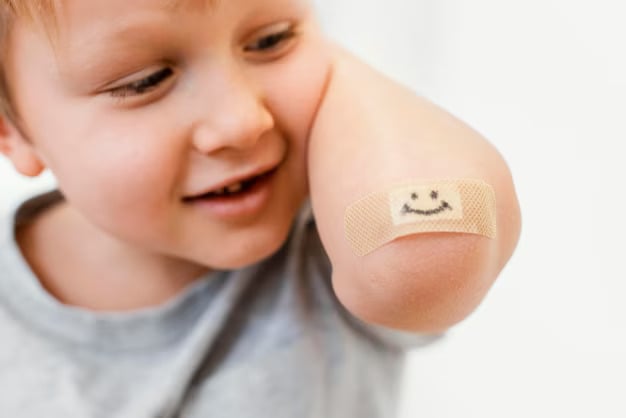
- Wash again, then cover with a small bandage if needed.
- Watch for infection over the next day:
- Redness that grows
- Warm skin
- Pus
- Increasing pain
When should I stop and call the #parents?
Call the parent/guardian if:
- The splinter is deep or very painful
- You cannot remove it easily
- It is under a fingernail/toenail
- The child is very upset or will not hold still
When is urgent medical care needed?
Seek medical help if:
- The splinter is in the eye
- There are signs of serious infection (fever, red streaks, swelling)
What do I do for bee stings, wasp stings, or insect bites?
Most bites and stings cause mild swelling and itching. The big concern is an allergic reaction.
What to do right away
- Move the child away from the insect area.
- Look for a stinger. If you see one, remove it quickly (gently scrape with a flat edge if available).
- Wash with soap and water.
- Use a cold pack (wrapped, not directly on skin) for 10 minutes on/10 minutes off.
- Keep the child from scratching (short nails help!).
When should I call 911 for a sting or bite?
Call 911 immediately if the child has any of these signs (possible anaphylaxis):
- Trouble breathing or wheezing
- Swelling of lips, tongue, or face
- Widespread hives
- Vomiting with other allergy symptoms
- Dizziness, confusion, or the child collapses
If your program has an allergy plan and prescribed #emergency medication (like epinephrine), follow the plan and call 911.
When should I call the parents?
Call the parent if:
- The sting is on the face, near the mouth, or the neck
- Swelling keeps growing after 30–60 minutes
- The child has many bites or stings
- The child seems uncomfortable or #develops a fever later
How do I respond to rashes without guessing the cause?
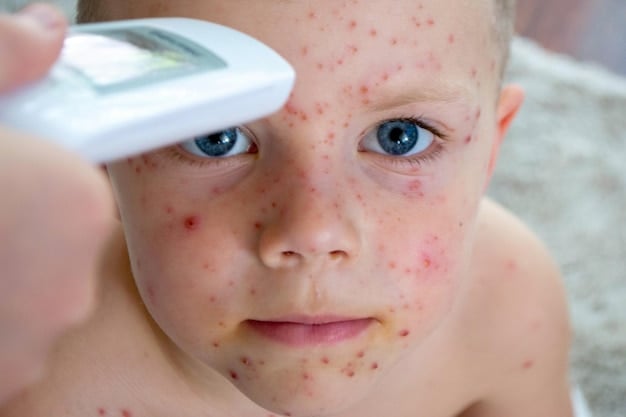
Rashes can come from many things: #heat, grass, soap, plants, foods, insect bites, or illness. You don’t need to diagnose. You do need to observe, protect the skin, and watch for danger signs.
First steps for most mild rashes
- Wash hands and check the child’s comfort.
- If the rash is from #outdoor- #play, rinse the skin with cool water and mild soap.
- Put the child in loose clothing.
- Keep the child from scratching.
- Note:
- Where the rash is (arms? face? belly?)
- What it looks like (flat? raised? blisters?)
- When it started and what happened right before it
When should I call the parent right away?
Call the parent if:
- The rash is spreading fast
- The child has a fever or seems very tired
- The child has blisters, oozing, or strong pain
- The rash is on the face or around the eyes
When is a rash a 911 emergency?
Call 911 if there are allergy signs with the rash:
- Trouble breathing
- Swollen lips/tongue/face
- Sudden widespread hives plus vomiting or weakness
What about rashes from poisonous plants (like poison ivy)?
Outdoor rashes often come from plant oils on skin or clothing. A helpful prevention tool is learning what common toxic plants look like.
A ChildCareEd resource listed through AidCPR’s #free resources is “Lists and Images of Poisoning Plants” Buy Now $0.00 (PDF). It’s a visual guide that helps #staff recognize plants that can cause harm.
Quick steps when you suspect poison plant contact
- Wash the skin with soap and cool water as soon as possible.
- Change clothing if you can (oil can stay on fabric).
- Keep the child from scratching to reduce skin damage.
- Call the parent/guardian and follow your #health policy.
What should I document for splinters, stings, and rashes?
Clear notes help families and protect staff.
Write down:
- Date/time and where it happened
- What you saw (facts, not guesses)
- What you did (wash, cold pack, bandage, parent called)
- Changes over time (swelling grew, rash spread, child calmed)
- Whether the child returned to play or needed pickup
How can we prevent these problems during outdoor play?
Prevention is easier than treatment—especially with groups.
Splinter prevention
- Check wooden play structures often
- Sand and seal rough wood when possible
- Do a quick “walk-through” before children go outside
Sting and bite prevention
- Cover trash cans tightly (wasps love food)
- Avoid wearing sweet-smelling lotions outside
- Teach children: “Don’t touch insects or nests”
Rash prevention
- Wash hands after messy outdoor play
- Use shade and water breaks to prevent heat rash
- Know common local plants and remove them from #play-areas
For a bigger picture on outdoor hazards—including insect bites/stings and poisonous plants—see this ChildCareEd article: “Creating Safe Outdoor Play Environments for Children: Understanding Hazards and Precautions.”
Which AidCPR courses help providers respond with confidence?
If staff feel unsure at the moment, training helps. These AidCPR courses are directly connected to everyday injury response:
For summer-focused guidance and quick tips on recognizing and responding to insect stings, see “Don’t Let a Bee Sting Be the Boss of You! - Summers Coming!!”.
- Pediatric Blended First Aid & CPR/AED (Adult, Child, Infant) Buy Now
$85.00$80.00 (great for child care settings and common emergencies) - BBP (Bloodborne Pathogens) Buy Now $32.00 (safe cleanup and protection when there is blood or body fluids)
Where can I get more safety tips from ChildCareEd?
Follow ChildCareEd on social media for quick reminders, safety resources, and training updates. Use our Linktree to find our pages (including Instagram and Facebook) and share it with your team so everyone stays ready.
