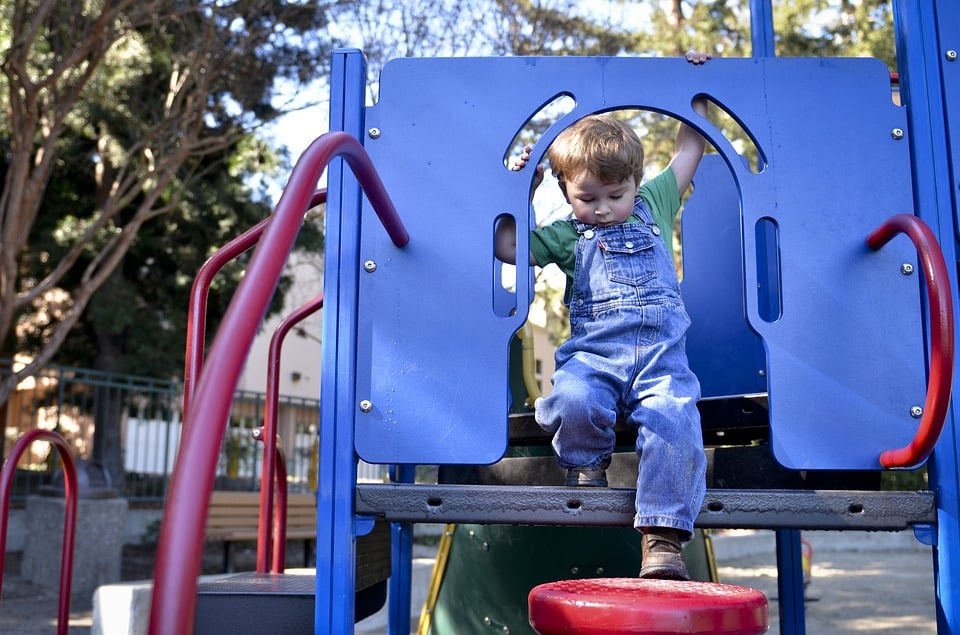
 If you’ve ever watched a group of toddlers conquer a playground, you know the scene: giggles, running feet, a few brave “watch this!” moments, and—of course—the occasional tumble that ends with a bandage and a hug.
As childcare providers, we walk that fine line between letting children explore freely and keeping everyone safe. It’s a balance of courage, caution, and common sense—all wrapped in patience. The goal isn’t to eliminate risk entirely (because let’s be honest, that’s impossible), but to create a safe environment that still encourages curiosity and play.
So how do you do it—keep the joy while minimizing the “uh oh”? Let’s talk about the art of safe fun.
🧸 Safety Starts With Preparedness
The first step to maintaining a safe play space is knowing what to do when things don’t go perfectly. Scrapes, bumps, and bruises are part of childhood—but a quick, confident response from you can make all the difference.
That’s why first aid and CPR training are non-negotiables for every childcare professional. Not only do they build your confidence, but they also prepare you for those unpredictable moments when seconds matter.
If you’re ready to strengthen your skills (and earn a certification), check out the First Aid & CPR Blended Course Buy Now $85.00$80.00. This course combines online learning with hands-on practice, giving you the tools you need to handle everything from a simple scrape to a more serious emergency. For seasonal, pediatric-focused guidance—especially useful during busy outdoor months—see our summer CPR readiness article for caregivers: Don’t Let Summer Fun Turn Scary — Be CPR Ready with AidCPR.
When you’re confident in your response, your calm energy helps children feel safe—even when things go a little sideways. And let’s face it, your cool-under-pressure skills might just make you a superhero in their eyes.
🌳 The Great Outdoors: Risk and Reward
Outdoor play is a child’s best teacher. From running barefoot through grass to discovering bugs under rocks, children build coordination, problem-solving skills, and independence through exploration.
But the great outdoors also brings its own set of challenges—uneven ground, loose equipment, and (cue dramatic music) mystery plants.
Did you know that some common plants can be harmful to children if touched or ingested? A quick review of the Lists and Images of Poisoning Plants – All Ages Safety Resource Buy Now $0.00 can help you identify potential hazards in your play area. You might be surprised by what you find—plants like oleander or foxglove can be beautiful but dangerous.
The good news? Awareness goes a long way. By checking your play area regularly and removing questionable plants, you’re protecting your little explorers without limiting their adventures.
🩹 Bumps, Bruises, and Bandaids—Oh My!
Let’s be real—sometimes, accidents happen no matter how prepared you are. That’s where your first aid know-how kicks in.
The "Bumps, Bruises, and Bandaids: First Aid Every Educator Needs for Young Children" article is a great read for anyone who spends their day chasing tiny humans. It breaks down practical first aid tips for childcare providers in a way that’s easy to remember (and even easier to apply when the moment comes).
From nosebleeds to splinters, small injuries don’t have to derail the fun. In fact, they often become gentle lessons about resilience, empathy, and care. Every “boo-boo moment” is an opportunity to model calm problem-solving—showing children that small setbacks are just part of growing up.
😂 Keeping It Safe and Fun—Yes, It’s Possible
Here’s the thing: kids learn best when they’re having fun. The laughter, the trial and error, the triumphant “I did it!” moments—these are what make early learning magical.
So how do you maintain that energy while keeping everyone safe? Try these lighthearted but effective strategies:
1. The Playground Patrol (but make it fun).
Turn safety checks into a team activity! Let children help you inspect for sticks, rocks, or slippery spots before playtime. They’ll feel proud to be “Safety Helpers,” and you’ll sneak in a little responsibility training.
2. Teach the rules through play.
Instead of a long safety lecture, make it a game. For example, “Red Light, Green Light” reinforces stopping and awareness. “Simon Says” teaches listening and body control. Learning safety habits can be playful—not preachy.
3. Model bravery and boundaries.
When a child hesitates to climb or jump, guide them gently: “You can try with one hand first,” or “Let’s figure out a safe way together.” Encourage exploration while showing what safe risk looks like.
4. Celebrate the small wins.
When a child remembers to wait their turn, look both ways, or clean up their area, cheer them on. Positive reinforcement keeps safety habits strong and joyful.
🌟 The Confidence Connection
Creating a safe play environment isn’t about bubble-wrapping the world—it’s about empowering children to explore with confidence. The more they practice independence within safe boundaries, the stronger their judgment becomes.
And for you as the caregiver, that same confidence comes from knowledge, preparation, and awareness. Courses like the First Aid & CPR Blended Course Buy Now $85.00$80.00, resources like the Poisoning Plants List Buy Now $0.00, and articles like "Bumps, Bruises, and Bandaids" aren’t just helpful—they’re confidence builders.
Because when you feel prepared, you can focus on what really matters: the laughter, the learning, and those little “I did it myself!” moments that make your work so rewarding.
💬 Final Thought
So, can you create a safer play environment without limiting fun? Absolutely. It’s not about restricting—it’s about equipping. With the right training, awareness, and mindset, you can create spaces where children feel safe enough to take risks, explore freely, and grow confidently.
After all, the best playgrounds aren’t the ones with the fewest bumps—they’re the ones filled with laughter, learning, and lots of love. ❤️
🌟 Final Thoughts
At AIDCPR.com, becoming CPR and first aid certified is convenient, affordable, and accessible. With blended learning, you get the best of both worlds: online flexibility and hands-on practice.
So why wait? Your certification could save a life.
👉 Register today, and don’t forget to follow AidCPR on social media for more resources and training updates!
