A scraped knee on the playground or a small cut during classroom play can quickly turn a busy day into a moment when a child needs calm, capable care. ChildCareEd’s Pediatric Blended First Aid & CPR/AED Adult, Child, Infant course combines online learning with in-person skills verification, covering first aid for injuries and responses to emergencies involving infants, children, and adults.
Why Do Kids Get So Many Cuts, Scrapes, and Bruises?
Young children’s exploratory behavior develops alongside balance, coordination, and judgment. As these abilities mature, minor falls and bumps are a predictable part of many early learning environments. Rather than treating every incident as an emergency, educators can use first-aid knowledge and pediatric first-aid preparation for child care providers to respond systematically and recognize when further medical assessment may be warranted.
How Should You Treat Cuts and Scrapes?
For a minor wound, assess the child and the circumstances while maintaining #Supervision of the rest of the group. Use gloves when blood exposure is possible and follow the program’s exposure-control and first-aid procedures. Gently rinse the wound with clean running water; avoid scrubbing the injured tissue. If bleeding is present, apply steady pressure with clean gauze. Once bleeding is controlled, cover the wound with a clean dressing and explain each step in calm, developmentally appropriate language. Do not apply a product or medication unless program policy and the child’s authorization records permit it.
Reassess the child rather than treating the bandage as the end of the response. Note changes in pain, bleeding, appearance, or behavior, and get medical guidance when the wound appears serious, contains an object, or you are uncertain how to proceed. Follow the family-notification and incident-reporting procedures required by your program and applicable licensing rules.
For every injury, distinguish what you observe from what you infer. Record the child’s condition and words accurately, describe the first aid provided, and note who was notified and when. If the injury changes or new symptoms appear, update the family and follow the program’s escalation procedure. These practices support continuity of care and help the team respond consistently without attempting to diagnose an injury.
-
Stay calm and reassure the child. A composed adult can help reduce a child’s distress.
-
Wash your hands or put on disposable gloves.
-
Gently clean the wound with cool running water and mild soap if needed.
-
Apply gentle pressure with sterile gauze to stop bleeding.
-
Cover with a bandage to keep the wound clean and protected.
-
Monitor for infection (redness, swelling, pus) and seek medical care if needed.
What’s the Best Way to Handle Bruises?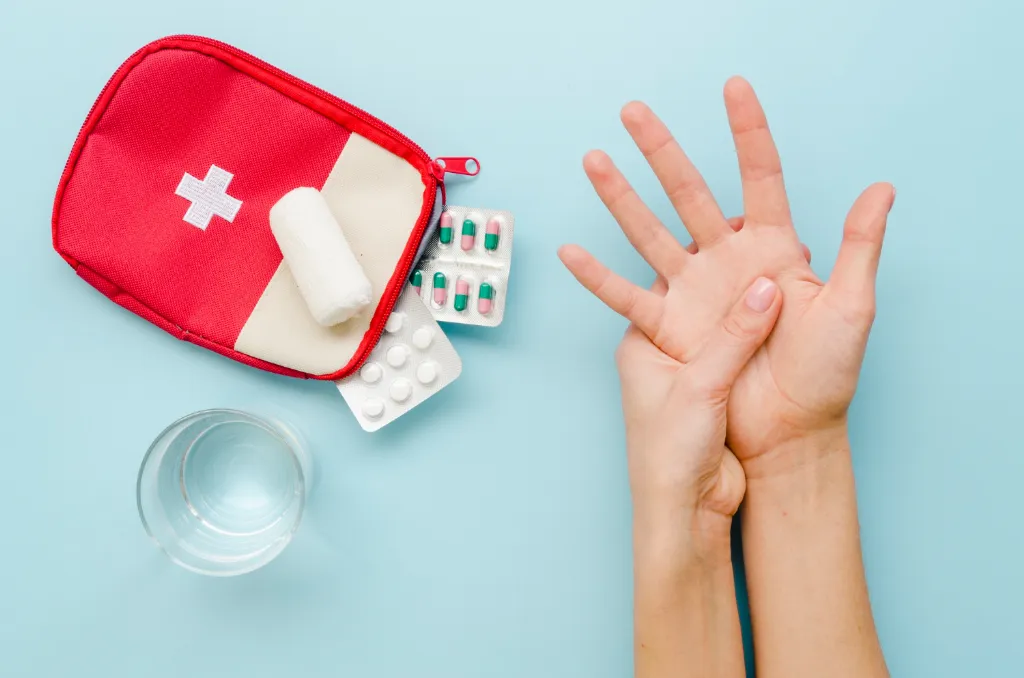
A bruise results from injury to small blood vessels beneath the skin, but appearance alone cannot establish the cause or severity of an injury. Careful #Assessment should consider the child’s overall presentation. Assess the child’s comfort, mobility, and responses; when appropriate for the child’s developmental level, ask a brief, neutral question about what happened. Avoid pressing or massaging a painful area. If program procedures permit, a wrapped cool pack may provide brief comfort. Keep a barrier between the pack and the skin, supervise its use, and follow program guidance rather than relying on a fixed duration.
Seek medical advice if pain or swelling is substantial, the child cannot use the affected area normally, the injury followed a significant impact, or the child’s condition concerns you. Follow emergency procedures for severe symptoms. In a child care setting, record observable facts rather than assumptions: the time, location, activity, child’s words when relevant, visible signs, first aid provided, and any notifications or follow-up. Protect the child’s privacy and share the report only with people who need the information.
-
Use a wrapped cool pack only if permitted by program procedures, maintain a barrier between the pack and the skin, and supervise its use.
-
Elevate the area if possible.
-
Watch for signs of something more serious, such as severe swelling or difficulty moving a limb, which may require medical attention.
Bruises generally resolve over time, although tenderness may persist; offer reassurance and continue to observe the child’s comfort and function.
When Should You Seek Medical Help?
Even small injuries sometimes need extra care. Contact a #healthcare professional if:
-
The cut is deep, won’t stop bleeding, or has dirt that can’t be cleaned out.
-
The injury is near the eyes or face.
-
A bruise is unusually large, painful, or linked to a fall from height.
How Can Educators Stay Ready for Everyday Injuries?
Preparation combines accessible supplies, clear procedures, staff practice, and active #Prevention. Check first-aid kits on a scheduled basis and after use; replace depleted, damaged, or expired items according to program policy. Keep supplies organized and accessible to authorized staff but out of children’s reach. Make sure staff know how to summon emergency services, locate emergency contacts and health information, and maintain supervision of other children while one adult responds. A checklist can support routine kit and classroom reviews; see Building a First Aid Kit That Kids (and Caregivers) Can Count On.
Prevention is part of readiness. Scan play and learning spaces for hazards, adapt supervision to children’s ages and activities, and address unsafe conditions before play continues. Use daily playground safety practices and active supervision strategies to reduce avoidable risks. After an incident, document what was observed and done, notify the family in accordance with program procedures, and communicate any follow-up instructions provided by a qualified health professional. Review recurring incidents with the team to identify environmental or supervision changes that could prevent a similar event.
Maintaining adequate supplies and periodically refreshing staff competencies are essential components of preparedness. For educators who care for infants and young children, pediatric first-aid and CPR training can support emergency preparedness and provide opportunities to learn child-specific response skills. For example, consider Pediatric First Aid & CPR certification. Course completion does not by itself establish compliance with every state, licensing, employer, or program requirement; confirm acceptance with the relevant authority before enrolling.
💸 Check the current course page for available pricing and promotions before enrolling.
The Safety Checklist Program for Schools Buy Now $0.00 can help classrooms review first-aid supplies, AED readiness, and staff training records as part of their broader safety procedures.
For inspiration on why being prepared matters, read Tiny Lives, Big Emergencies: How CPR Can Save Children in Critical Moments.
Knowledge grows stronger in community. Follow ChildCareEd on social media for resources, tips, and encouragement that help educators stay calm and ready—whether it’s a scraped knee or something more serious.
What Should Educators Remember About First Aid for Bumps, Bruises, and Scrapes?
Respond calmly, assess the child’s presentation, provide appropriate basic care, and follow program procedures for emergencies, documentation, and family notification. Seek qualified medical guidance when symptoms are serious or the situation is uncertain; a brief checklist cannot rule out an injury. Maintain supplies, periodically refresh staff competencies, and review incidents to identify opportunities to strengthen supervision and reduce recurrence. A composed, attentive response supports the child while upholding professional responsibilities for safety and continuity of care.
