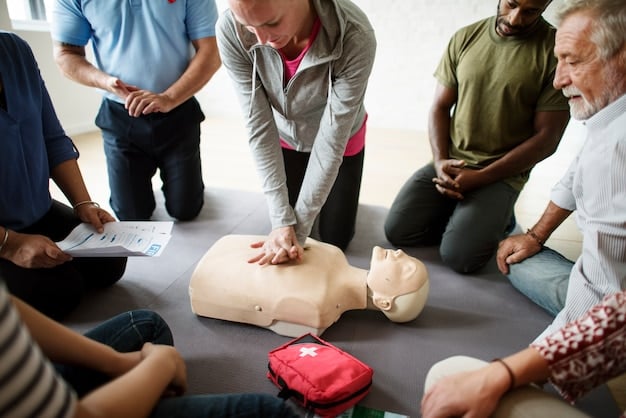
An effective emergency response depends on staff who understand their assigned roles and have rehearsed relevant procedures. Teams seeking pediatric-focused instruction can compare ChildCareEd’s Pediatric Blended First Aid & CPR/AED Adult, Child, Infant Buy Now $85.00$80.00 and Pediatric In-Person First Aid & CPR/AED Adult, Child, Infant Buy Now $95.00. The course pages outline format and content; before enrolling, verify the option, provider documentation, and acceptance with the applicable licensing agency or registry. This guide explains how to request group training and prepare your team.
Why Can Group Training Help a Child Care Team Prepare?
Group training brings staff together for shared instruction and discussion. Its potential benefits include greater procedural consistency across the team, opportunities to rehearse skills collaboratively, and the convenience of arranging instruction at the program site:
-
Consistent skills across staff, so everyone knows the same protocols.
-
Team building as staff practice side by side.
-
Convenience with training brought right to your site.
Group instruction gives staff a shared opportunity to discuss procedures and rehearse relevant skills. Its value depends on matching the course to the roles and age groups in the program, allowing time for hands-on practice when the course includes it, and building coverage so supervision continues during training. Training supports preparedness; it does not replace written emergency procedures or role-specific requirements. A coordinated approach can strengthen #safety by clarifying each staff member’s responsibilities and supporting consistent #CPR and #firstaid practice.
How Can a Program Prepare Staff and Maintain Coverage During Training?
Scheduling a group session requires balancing staff development with continuous, responsive supervision. Begin by mapping staff schedules, classroom assignments, applicable staffing ratios, and periods when children require heightened support. Identify who can attend together without leaving a classroom or program area inadequately supervised. If one session cannot accommodate the team, ask the provider whether separate sessions or another arrangement are available; confirm the options rather than assuming they can be provided.
Before the training date, designate a coordinator to communicate the schedule, attendance expectations, location, and any preparation participants need to complete. Ask the provider to clarify what participants should bring and whether the selected format includes hands-on skills practice. Document the confirmed details so staff can prepare consistently. For a blended course, establish a completion plan for the online portion and confirm how the in-person skills component will be scheduled. These details can help staff arrive prepared and reduce avoidable interruptions.
After the session, record attendance, completion documentation, course details, and any follow-up actions in the program’s training files. Review emergency procedures with staff so they understand how training relates to their assigned roles, communication steps, and supervision responsibilities. The director or designated lead can identify additional staff training needs and verify renewal or compliance expectations directly with the applicable agency or registry. For a practical checklist of emergency information to keep accessible, see the Allergy & Emergency Information Form Buy Now $1.50. This follow-through embeds #preparedness in ongoing team practice and supports staff #professionaldevelopment.
What Should a Program Confirm Before Requesting Training?
Before submitting a request, define the training objectives and identify participating staff. Determine whether the group needs pediatric first aid and CPR, CPR/AED instruction, or another course; similarly named courses may differ in the skills covered and intended audience. Review the course page and ask the training provider to confirm the exact course title, delivery format, skill-practice component, certificate details, and any limits on the intended audience.
Separately, check the applicable licensing agency or professional registry for requirements that apply to your program type and staff roles. A course listing is not, by itself, proof that a particular course meets a state requirement. Confirm the agency, provider, and course approval status before registering, and keep the confirmation with your training records.
For related guidance on course options, read Pediatric First Aid for Teachers: Blended or In-Person—Which Should You Choose? and Which First Aid Course Do Child Care Providers Need for Licensing?.
How Do You Request Group Training Through ChildCareEd?
Begin with the Onsite Group Training Request Form. Prepare your preferred dates, training location, estimated group size, and the course your team wants to discuss. Include a contact person who can coordinate logistics. The request starts the conversation; confirm availability, pricing, equipment needs, trainer arrangements, and course-specific details directly with the provider before finalizing the session.
To make the request actionable, provide a realistic attendance estimate and identify scheduling constraints, including rest periods, meal service, and staff shifts. Ask whether the location has adequate space for instruction and hands-on practice, if applicable. If staff work different schedules, ask about possible session arrangements instead of assuming a single session will cover everyone.
For a broader overview of pediatric CPR and first aid preparation, see Preparing for your First Aid & CPR Training.
How Can a Team Choose Between Blended and In-Person Training?
The article currently links to two AidCPR course pages. Compare the formats and course details on those pages, then confirm the available group options with the provider:
-
First Aid & CPR Blended Course – a flexible option with online learning plus in-person skill practice.
-
First Aid & CPR In-Person Course – fully live with an instructor, ideal for hands-on learners.
Before booking, confirm the exact age groups, topics, skill practice, and certification details for the selected course with the provider. Course content and recognition can differ; no course alone prepares staff for every emergency or substitutes for a program-specific response plan.
Preparation extends beyond the training session. For practical ideas about first aid supplies and response readiness, read Got CPR and A Well-Stocked First Aid Kit?. You can also review How can childcare centers create effective emergency preparedness plans? when connecting staff skills with a broader emergency plan. Check these resources:
-
Bumps, Bruises, and Bandaids: First Aid Every Educator Needs for Young Children – practical tips for everyday classroom accidents.
-
Emergency Supply List Buy Now $0.00 – make sure your classrooms and centers are fully stocked with what you’ll need in an emergency.
-
Childcare centers and preschools keeping staff prepared.
-
Schools and after-school programs ensuring a safe environment.
-
Clubs, camps, and community groups serving children and families.
Summary: What Should You Do Before You Book?
Start by identifying who needs training and which skills the team wants to develop. Review the linked course details, verify any applicable licensing or registry requirements with the relevant agency, and submit the group request with preferred dates, location, and estimated attendance. Before confirming, ask the provider about availability, format, practice requirements, equipment, cost, and documentation. Plan staff coverage, maintain training records, and connect the session to the program’s emergency procedures. These steps help make group training a deliberate part of preparedness rather than a stand-alone activity.
- Why Pediatric First Aid Training is Crucial for Daycare Providers
- AidCPRProcess
- Got CPR and A Well-Stocked First Aid Kit?
- Save Lives with Ease: Take Your BLS Training with AidCPR this Heart Month!
- 🚨 Emergencies Don’t Make Appointments!
- 💓Be a Lifesaver, Not a Bystander: Why Getting First Aid & CPR Certified Matters More Than Ever
- Click, Learn, Save a Life! Should You Take CPR Training Online or In Person?
