A scraped knee and a sudden medical emergency call for different responses, but educators need to be prepared for both. A well-stocked first aid kit and staff trained in CPR are essential parts of classroom readiness. ChildCareEd’s Pediatric Blended First Aid & CPR/AED Adult, Child, Infant Buy Now $85.00$80.00 course combines online learning with in-person skills verification to help caregivers prepare for injuries, choking, and other emergencies. Let’s explore how first aid supplies and emergency response skills work together to help protect the children in your care.
Why Aren’t First Aid Kits Enough on Their Own?
First aid kits are appropriate for addressing bumps, bruises, and minor cuts—the routine injuries of childhood. However, a kit cannot replace CPR when a child is not breathing or is experiencing cardiac arrest. In such emergencies, trained responders’ actions and preparation are essential components of an effective response.
What Should Be Inside a Classroom First Aid Kit?
A first aid kit should support responses to common injuries, but contents should be selected and maintained in accordance with program policy, applicable licensing rules, and the needs of the children enrolled. Use an inventory process so staff can identify missing, expired, or depleted supplies. For broader supply planning, see the Classroom Supply Inventory Resource Guide Buy Now $1.49. For context on child care health and safety practices, read What should child care providers know about Child Care Health and Safety Training?. For more detailed guidance on choosing and organizing supplies, see this guide to building a reliable first aid kit. A classroom kit commonly includes items such as:
-
Adhesive bandages in multiple sizes
-
Sterile gauze pads and tape
-
Disposable gloves
-
Antiseptic wipes
-
A digital thermometer
-
Tweezers and scissors
How should staff maintain and access the kit?
Assign a staff member to inspect the kit on a documented schedule and after it is used. Restock depleted supplies, remove expired products, and keep the kit in a clearly identified location that authorized staff can reach promptly while children remain supervised. Store medications and other restricted items according to program policy and applicable regulations; a general first aid kit list should not substitute for those requirements. Keep an inventory or inspection log that records the date, items replenished, and any follow-up needed. Ensure staff know the location of the kit and the procedure for bringing it to an incident. If an injury requires more than routine care, follow the program’s emergency procedures, notify the designated contacts, and document the incident as required by policy. During each inspection, check that supplies remain in their original packaging when applicable and that staff can identify which items require replenishment. Record unresolved needs and assign follow-up so the kit remains ready for use.
These items may support care for minor injuries, but they do not replace clinical judgment, program procedures, or emergency response. That’s where CPR training and equipment step in. For a refresher on recognizing and responding to urgent situations, see How can child care providers recognize and respond to childhood medical emergencies?.
How Does CPR Response Bridge the Gap?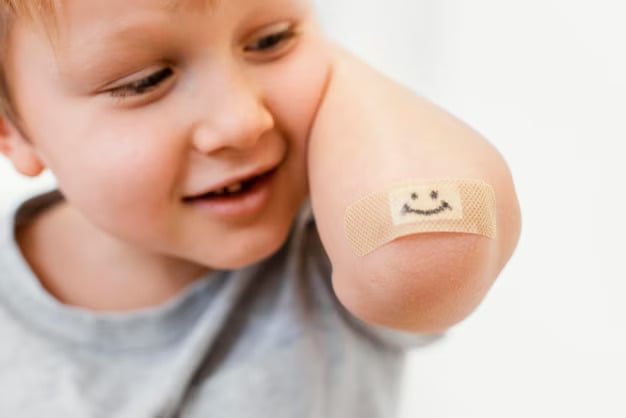
When a child experiences cardiac arrest, choking, or severe breathing distress, first aid supplies alone are not enough. Prompt CPR supports circulation and oxygen delivery while emergency responders are on the way. Pediatric resuscitation guidance emphasizes:
-
Starting compressions right away
-
Using AEDs as soon as possible
-
Staying calm and consistent with compressions and breaths
How Can Staff Coordinate an Emergency Response?
During a serious incident, staff need to coordinate care, supervision, and communication rather than focus on supplies alone. If one staff member responds to the child, another should follow the program’s emergency plan, summon emergency medical services when indicated, and bring available emergency equipment. A designated staff member should maintain supervision of the other children and communicate with families or emergency contacts according to program policy. Staff should know how to access child-specific emergency information, including relevant health plans, while protecting confidentiality. After the event, document the response and any follow-up required by the program. Review what worked and where roles or procedures were unclear, then update staff orientation or the written plan as appropriate. Practice these responsibilities through role-specific discussion or drills that preserve children’s safety and follow applicable licensing requirements.
For real-world perspective, check out Tiny Lives, Big Emergencies: How CPR Can Save Children in Critical Moments.
What Training Should Educators Pursue?
Balancing everyday care with emergency readiness means pairing first aid supplies with current, role-appropriate CPR skills. Training format and acceptance may vary by program, licensing rules, and the learner’s responsibilities, so confirm details with the applicable agency or registry before enrolling. For a comparison of delivery formats, see Pediatric First Aid for Teachers: Blended or In-Person—Which Should You Choose?. Educators can prepare with courses like:
CPR certification can also help educators respond beyond the classroom; learn why CPR certification matters for everyday people.
Review the course details and confirm that the format and skills evaluation meet your program’s needs and any applicable licensing requirements before enrolling.
How Can Schools Ensure Consistency and Safety?
Having the right tools is one thing—ensuring everyone knows how to use them is another. Schools can standardize safety practices by assigning responsibility for kit inspections, confirming staff know the response plan, and checking that emergency equipment is accessible and maintained according to program procedures. Regular reviews should identify gaps in supplies, unclear staff roles, or changes needed to emergency contacts and child-specific information. Use applicable licensing requirements and your program’s written policies to determine required procedures; do not assume a generic checklist replaces them. For a broader emergency planning process, see How to Build an Emergency Response Plan for Child Care Centers.
How Can a Program Keep Emergency Readiness Consistent?
Make readiness part of routine operations rather than an occasional reminder. Include a kit and equipment check in the program’s recurring safety review, document who completed it, and assign a person to resolve identified issues. Orient new staff to the location of first aid supplies, emergency communication procedures, and their expected role during an incident. When a response or practice exercise reveals confusion, update the written procedure and review the change with the team. These steps support consistency, but the program must also verify its own licensing rules and any requirements that apply to its setting.
Where Can Educators Stay Connected for More Tips?
Your classroom deserves the best in both everyday care and #preparedness. For ongoing resources, training updates, and safety insights, follow ChildCareEd on social media. You’ll find practical support for keeping your classroom both safe and confident.
What Is the Summary of Classroom First Aid and CPR Readiness?
A classroom first aid kit supports a response to common injuries, while CPR training, accessible emergency equipment, and clear staff roles prepare the team for more serious events. Keep supplies maintained, make sure staff know the program’s procedures, and rehearse communication and supervision responsibilities. Confirm the requirements that apply to your setting with the relevant licensing agency, and verify course format and acceptance before relying on a training certificate for compliance. Together, these steps make #readiness a shared, maintained practice rather than a collection of supplies.
- Got CPR and A Well-Stocked First Aid Kit?
- ❤️Then & Now: How CPR Has Evolved Over the Years
- Tiny Chests, Big Changes: What’s New in Pediatric CPR for Educators 🚑💡
- Bandages or Breaths? First Aid Kits vs. CPR Response in the Classroom 🩹❤️🩹
- Building a First Aid Kit That Kids (and Caregivers) Can Count On
- 🫀Everyday Heroes: Why the Average Person Needs to Be CPR Certified
- A Kid-Friendly Guide to Choking
- When a Child Collapses: What Can You Do Before EMS Arrives?
