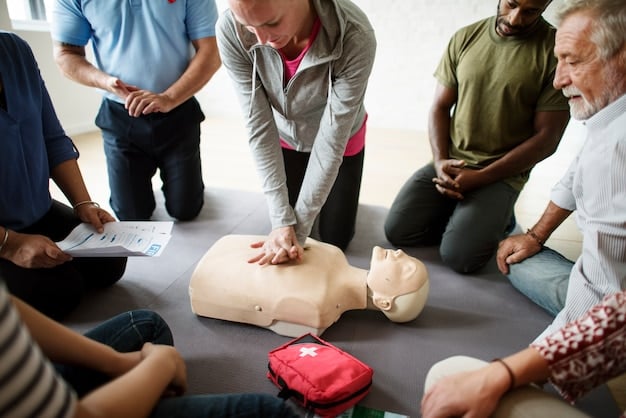
 Team Up to Save Lives: How to Schedule Group CPR & First Aid Training Through ChildCareEd
When emergencies happen, coordinated preparation matters. Scheduling group First Aid and CPR training gives staff a shared opportunity to acquire and practice emergency-response competencies. ChildCareEd offers a blended Pediatric First Aid & CPR/AED course Buy Now $85.00$80.00 with online learning and in-person skills verification, as well as a pediatric in-person First Aid & CPR/AED course Buy Now $95.00 with instructor-led practice. Teams seeking first aid without CPR/AED can also review the Pediatric First Aid Only Blended course Buy Now $80.00. Teams comparing CPR/AED-only options may also review ChildCareEd’s CPR & AED Adult, Child, Infant blended course Buy Now $85.00; confirm that its scope is appropriate for your staff and verify acceptance with the relevant agency before enrolling. Course acceptance depends on your licensing agency, role, and program; confirm current requirements before enrolling.
What are the benefits of scheduling group training?
Group training enables staff to develop a shared understanding of response procedures. Potential benefits include:
-
Consistent skills across staff, so everyone knows the same #protocols.
-
Team building as staff practice side by side and strengthen #teamwork.
-
Convenience with training brought right to your site.
When staff share a common foundation in emergency response, they can coordinate more effectively; this preparation supports child safety and can reassure families.
How should a director plan a group CPR and first aid session?
Start by identifying the staff members who need training and the ages of children they care for. Ask your licensing agency or registry what credentials, course format, and renewal period apply to each role; requirements can differ by jurisdiction and program type. Do not assume that a course title or a certificate alone establishes compliance.
Before submitting the Onsite Group Training Request Form, gather the details the training provider will need: the number of learners, preferred dates, training address, a contact person, and whether the team prefers blended or fully in-person instruction. Ask the provider to confirm availability, the course scope, the hands-on skills component, any prerequisites, and what documentation participants receive. Confirm any fees and cancellation or rescheduling terms directly with the provider.
Plan staffing coverage so that children remain appropriately supervised while employees attend. If the whole team cannot leave the classroom at once, ask about scheduling separate sessions. Ensure each participant can complete the required skills practice and evaluation; watching a demonstration is not a substitute for performing the skills when the course calls for hands-on verification.
Before the session, share the schedule, location, and any preparation instructions with participants. Ask staff to raise access or scheduling concerns early, and confirm who will track attendance and completion records. These steps help the group arrive ready to participate without disrupting classroom supervision.
For another perspective on how pediatric training supports childcare teams, read why pediatric first aid training is crucial for daycare providers. To compare course formats, see how to choose between blended and in-person pediatric first aid training.
What information should you confirm before booking?
Before committing to a group session, request written confirmation of the course name and format, the age groups covered, the planned schedule, the minimum and maximum group size, the location and equipment requirements, and the certificate or completion record issued. Ask whether the course includes pediatric CPR, AED use, first aid, or a combination; offerings with similar names may cover different skills. If your program needs a specific credential, send the course details to your licensing contact or registry and ask whether it is accepted for the staff members’ roles.
Also confirm how the provider will handle enrollment, participant changes, attendance records, and any required skills assessment. Give staff the schedule and preparation instructions in advance, including whether they need to complete online coursework before attending. Keep the provider’s confirmation and completion records with your staff-training documentation, following your program’s recordkeeping procedures.
Use a written checklist to evaluate course options rather than selecting a session solely for convenience. The article which first aid course childcare providers need for licensing offers related guidance; verify any applicable requirements with the relevant agency for your location.
How can a team make the training useful after the session?
Connect the training to your center’s emergency procedures. Before the session, review who calls emergency services, who supervises the remaining children, who retrieves emergency supplies, and how staff communicate with families and administrators. Provide the instructor with relevant questions about your setting, but do not substitute a general course for your program’s written emergency plan or any required site-specific procedures.
After training, document attendance and completion, note any follow-up actions, and make sure staff know where emergency supplies and contact information are kept. A short team debrief can identify unclear handoffs or equipment gaps. Use practice scenarios to discuss communication, role assignment, and maintaining child supervision; do not present a discussion exercise as a replacement for formal skills instruction or evaluation. Store records in a consistent location, limit access to staff who need them, and note when each participant should verify renewal requirements. When staff leave or join the team, update the training roster and identify any coverage gaps. These routine checks make it easier to confirm who has completed training and what follow-up is needed.
For practical follow-up, see how CPR training and a well-stocked first aid kit support preparedness and how to build an emergency response plan for child care centers. Keep your emergency supplies and procedures aligned with your program’s policies and applicable local requirements.
How Do You Schedule a Group Training with ChildCareEd?
To initiate the process, complete the Onsite Group Training Request Form. Provide your preferred dates, location, and group size; the provider can then confirm availability and next steps.
Which course formats can a group consider?
Your team can choose from AidCPR’s trusted courses:
-
First Aid & CPR Blended Course – a flexible option with online learning plus in-person skill practice.
-
First Aid & CPR In-Person Course – fully live with an instructor, ideal for hands-on learners.
Both cover adult, child, and infant emergencies, so staff are ready for any situation.
Preparation doesn’t stop after training. ChildCareEd also offers a Pediatric First Aid Only Blended course Buy Now $80.00; it covers pediatric first aid, but does not include CPR/AED. Confirm with your licensing agency or registry whether any course is appropriate for your staff’s requirements. Check out these additional resources from AidCPR:
-
Bumps, Bruises, and Bandaids: First Aid Every Educator Needs for Young Children – practical tips for everyday classroom accidents.
-
Emergency Supply List Buy Now $0.00 – make sure your classrooms and centers are fully stocked with what you’ll need in an emergency.
How can you keep your team prepared after training?
Follow AidCPR on social media for updates and safety resources. Revisit your program’s emergency procedures with staff, maintain training records, and verify current requirements with the appropriate licensing agency or registry.
Summary: What should you do next?
Identify the training your staff need, confirm course acceptance and scope with the relevant agency, then submit the group request with your preferred dates, location, and participant count. Plan classroom coverage, ensure every learner completes the required skills practice, and retain completion documentation. Group training can support coordinated #preparedness, but it does not replace your program’s emergency plan or independent verification of licensing requirements.
- Why Pediatric First Aid Training is Crucial for Daycare Providers
- AidCPRProcess
- Got CPR and A Well-Stocked First Aid Kit?
- Save Lives with Ease: Take Your BLS Training with AidCPR this Heart Month!
- 🚨 Emergencies Don’t Make Appointments!
- 💓Be a Lifesaver, Not a Bystander: Why Getting First Aid & CPR Certified Matters More Than Ever
- Click, Learn, Save a Life! Should You Take CPR Training Online or In Person?
