How to Build an Emergency Response Plan for Child Care Centers🚨
When you are responsible for young children, preparedness is a professional imperative. Emergencies—ranging from fires and severe weather to medical crises and security incidents—occur with little warning; effective response requires a written plan, assigned roles, and sustained practice. An operational emergency-response plan should define evacuation and shelter-in-place procedures, medical response and medication protocols, family-reunification steps, staff communication channels, and documentation practices. For structured curricula, templates, and certificates, see ChildCareEd's Emergency and Disaster Preparedness  Buy Now
 $55.00$45.00 course and the concise workshop Stay Alert! Steps for Emergency Prep Buy Now $25.00.
This article explains how to construct, implement, and maintain an operational emergency response plan that mitigates risk, supports licensing compliance, and preserves the physical and emotional well-being of children, staff, and families.
🤔 Why Does Your Child Care Center Need an Emergency Response Plan?
Emergencies don’t wait until you’re ready. Fires, power outages, severe #weather, medical incidents, and even unexpected lockdowns can happen without warning. A comprehensive emergency plan:
-
Minimizes chaos and confusion
-
Ensures staff know their roles
-
Protects children’s #safety and emotional well-being
-
Builds trust with families
A robust plan is not merely prudent; it frequently constitutes a licensing requirement and, above all, is lifesaving.
➡️ Learn more about emergency protocols with the Emergency and Disaster Preparedness Course from ChildCareEd Buy Now $55.00$45.00.
📝 What Should Be Included in Your Emergency Response Plan?
A great emergency response plan is detailed, easy to follow, and customized to your specific center. Here are the must-haves:
-
Evacuation and Shelter-in-Place Procedures
Clear steps for fires, earthquakes, gas leaks, or external threats. -
Communication Protocols
Who calls 911? Who contacts families? Who grabs the emergency contact forms? -
Roles and Responsibilities
Assign specific duties to staff (e.g., leading evacuations, first aid, head counts). -
Medical Emergency Guidelines
Include allergy plans, injury responses, and when/how to administer CPR or first aid. -
Supply Checklists
Stock up with essentials like food, water, medications, flashlights, diapers, and more.
📦 Don’t forget to bookmark this Emergency Supply List from AID CPR Buy Now $0.00.
How do you design evacuation and reunification procedures?
Evacuation and reunification are high-risk moments in any emergency. Design procedures that reduce ambiguity by specifying routes, roles, documentation, and reunification points in advance. Start by identifying primary and alternate evacuation routes for each classroom and a primary assembly location plus an off-site relocation point if the building is unsafe. Assign staff roles for: leading an evacuation, carrying attendance logs and medication lists, supervising a cohort at the assembly location, and a designated communicator to contact emergency services and families. Use a consistent head-count method (for example: 1) lead teacher announces classroom roll call, 2) assistant verifies using a printed roster, 3) designated staff member logs missing persons) and practice it until it is routine.
Reunification must be controlled and documented (#reunification): require photo ID, pre-authorized pickup lists, and a stepwise release protocol so staff never release a child without verification. Keep duplicates of emergency contact cards with your attendance binder and consider wristbands or temporary ID tags during relocations for young children. Document every release with the time, staff name, and recipient name. Account specifically for children with medical needs and for infants: include where medications are stored and who is authorized to administer them. The CDC emphasizes routine review and annual updates of reunification policies and keeping contact information current; link: https://www.cdc.gov/children-and-school-preparedness/keeping-safe/index.html
For a practical checklist and model procedures, see ChildCareEd's guidance article on creating effective emergency preparedness plans: How can childcare centers create effective emergency preparedness plans?
🚨 How Do You Train Your Staff and Practice the Plan?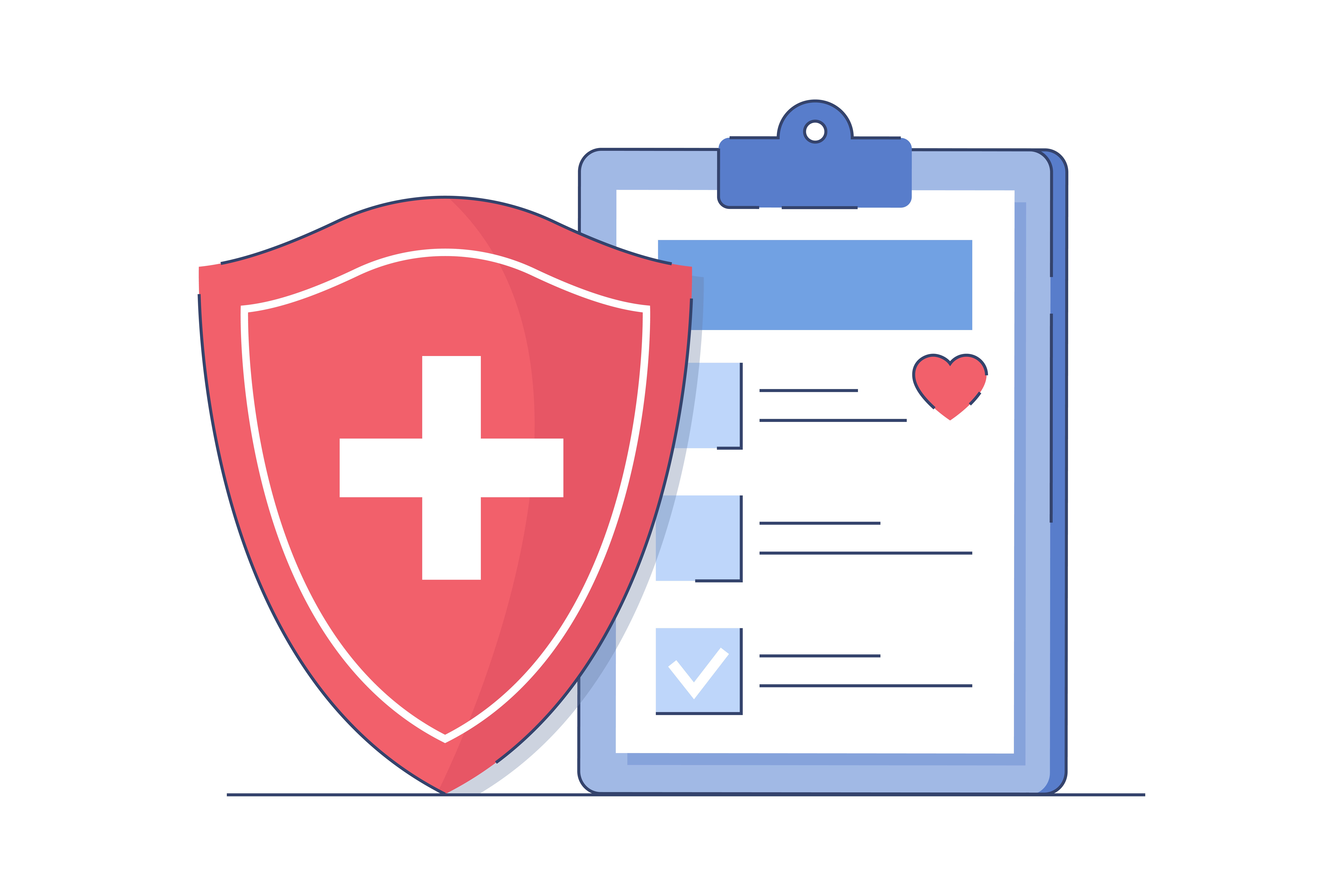
Even the best plan is useless if it’s never practiced. Staff training is key.
-
Schedule regular drills (fire, lockdown, earthquake, etc.)
-
Review roles and scenarios in monthly staff meetings
-
Update the plan annually or after any major event
All #staff-should be certified in CPR and First Aid. It’s not optional — it’s essential. For a focused overview of pediatric-first-aid and CPR course content and why these skills matter specifically for childcare providers, see Keeping Kids Safe: Why Pediatric First Aid and CPR Training is Essential for Childcare Providers.
For more on why certification matters and how to enroll in child-focused courses, read Get Ready for the Kids: Why You Should Get First Aid and CPR Certified.
🧠 Want to certify or recertify your team? Explore blended and in-person training options:
-
Blended CPR & First Aid Course – AID CPR Buy Now
$85.00$80.00 -
First Aid for RSV & Respiratory Distress – AID CPR Buy Now
$115.00$95.00
Still not convinced? Read this powerful article: Goldfish, Glue Sticks & 911: Why CPR & First Aid is Non-Negotiable
How do licensing rules and state regulations affect your emergency plan?
State licensing rules set baseline expectations for what must appear in your emergency plan (for example: evacuation, relocation, shelter-in-place, and lockdown procedures), how often drills must be conducted, and training requirements for staff. These expectations vary by state and sometimes by license type. For concrete examples of required plan elements and lockdown procedures that licensing agencies expect, see the Texas licensing training guidance: Rule: What is an emergency preparedness plan?
When creating your plan, confirm whether your state requires pre-approval of plans or prefers a submitted template, whether online or blended training is accepted for staff, and whether you must retain drill logs and incident reports for a specific period. If you seek specific state-aligned training, ChildCareEd offers both general and state-specific courses (for example, our Emergency and Disaster Preparedness course and state-targeted trainings) — list courses on the ChildCareEd site can help you choose the right fit for your licensing context. Always verify acceptability with your licensing specialist; do not assume a course is sufficient without confirmation.
🧩 How Do You Keep Families Informed and Involved?
Parents are part of the safety net. Keep them in the loop by:
-
Sharing your emergency procedures
-
Requesting updated emergency contact info twice per year
-
Letting them know about drills and policies
-
Posting evacuation maps and emergency contacts in visible locations
Prepared families make for faster reunifications and stronger community trust.
Where can you learn more and stay up to date?
Emergency #preparedness is a growing field. Regulations change. New threats emerge. Stay informed by: Read our article on Advocacy and Preparedness: The keys to protecting our Children to learn how advocacy at the program and policy level strengthens preparedness and helps keep young children safer in early care settings.
-
Taking courses through ChildCareEd
Buy Now $55.00$45.00 -
Following trusted organizations like AID CPR for training and tools
-
Practicing regular drills and revisiting your plan each season
💬 And don’t forget to follow ChildCareEd.com on social media for updates, training news, and safety tips!
Related ChildCareEd articles that expand sections above: How can childcare centers create effective emergency preparedness plans?; Pediatric First Aid and CPR Training with ChildCareEd; Why should child care providers get CPR and First Aid training?; How can child care programs teach fire safety effectively?; How can early childhood programs build a culture of safety?
Summary: What is the final takeaway for your center?
An emergency response plan isn’t a one-and-done document. It’s a living system that grows with your staff, your children, and the world around you. The time you spend preparing today could make all the difference tomorrow.
Be the center that’s ready for anything — from scraped knees to full-scale evacuations.
🛡️ Train. Plan. Practice. Protect.
Because when it comes to kids, safety is never an afterthought.
