Many people want to learn CPR and first aid but worry about the time, cost, or complexity. At AIDCPR.com, blended learning courses Buy Now $85.00$80.00 make training more flexible by allowing you to complete most coursework online at your own pace, followed by a short in-person skills session.
Child care professionals can explore the Pediatric Blended First Aid & CPR/AED Adult, Child, Infant course Buy Now $85.00$80.00 or compare it with the Pediatric In-Person First Aid & CPR/AED course Buy Now $95.00. Always confirm certification and licensing requirements for your state or program.
🤔 What Is a Blended Course?
A blended CPR and first aid course combines two parts:
-
Online Learning — Self-paced modules you can complete anytime, anywhere.
-
Hands-On Session — A short in-person class where you practice CPR compressions, AED use, and first aid techniques with a certified instructor.
This model saves time while ensuring you gain both knowledge and hands-on confidence. To learn how these skills translate into real, practical advantages for caregivers, children, and communities, read the article on 10 life-changing benefits of first aid and CPR training.
Try our popular options:
🕒 How Much Time Does Certification Take?
Traditional classes can take hours in a #classroom. With a blended course, most of the content is online, so you can complete it whenever you have time—whether that’s during lunch breaks, evenings, or weekends.
The in-person portion is usually just 1–2 hours, making the total time commitment much more manageable. Actual schedules depend on the course and provider, so check the course details before enrolling.
How should you prepare for the hands-on skills session?
Use the online portion to build a foundation, then arrive ready to practice and receive feedback. Review the course instructions in advance, confirm the location and session format, and ask what materials or identification you need to bring. Wear clothing that allows you to kneel and move comfortably if the course involves floor-based practice.
During practice, focus on the sequence of actions and the quality of each skill rather than trying to memorize a script. Ask the instructor to clarify any step you find uncertain, and repeat the skill after feedback when the session permits. Practice is important because online modules support knowledge acquisition but do not, by themselves, demonstrate hands-on performance.
For additional preparation guidance, see how to prepare for First Aid and CPR training and the overview of ChildCareEd’s First Aid and CPR certification course. Confirm the specific course format and certification details with the provider before registering.
Online modules may include instructional videos, knowledge checks, and applied scenarios. These activities support foundational knowledge before the practical skills session; they do not substitute for demonstrating the required competencies through the course’s assessment process.
🧠 What Skills Will You Learn?
Course content varies by offering. Review the provider’s course description to confirm which skills and topics are included, such as:
-
CPR for adults, children, and infants
-
AED use
-
First aid basics (bleeding, #burns, fractures, allergic reactions)
-
Choking relief techniques
-
Responding to medical emergencies like strokes or #heart attacks
See the full scope in First Aid and CPR Buy Now $95.00.
How can child care teams make emergency skills usable?
After a course, translate individual competence into a team response plan. Assign staff responsibilities for calling emergency services, providing care within their training, supervising the remaining children, and notifying families. Keep emergency supplies and authorized access to children’s health information consistent with program policies. Document drills and actual incidents according to applicable procedures, then review what the team should change. These steps make the response more coordinated without assuming that a particular course alone satisfies licensing or employer requirements.
Before enrolling, identify the skills and certification your role requires, then check the course’s age-group coverage, hands-on assessment format, certificate issuer, and renewal terms. Ask your licensing agency or employer whether that exact course is acceptable; requirements can vary by location, role, and program type.
Training is one part of emergency readiness; staff also need a clear, practiced response process. Follow the program’s emergency procedures, know how to summon emergency services, and understand who is responsible for supervising the other children while a colleague responds. Keep emergency contact and health information accessible to authorized staff, and review how the team communicates with families after an incident.
Practice scenarios can help a team identify uncertainty before an emergency occurs. Rehearse how staff will get help, locate relevant supplies, and maintain supervision, then discuss what worked and what needs clarification. Use feedback to update procedures and orient new staff. A guide to life-saving skills for child care providers and teachers and this article on choosing a first aid course for child care licensing offer related context. Verify applicable training requirements with the relevant licensing agency; requirements can differ by location, role, and program type.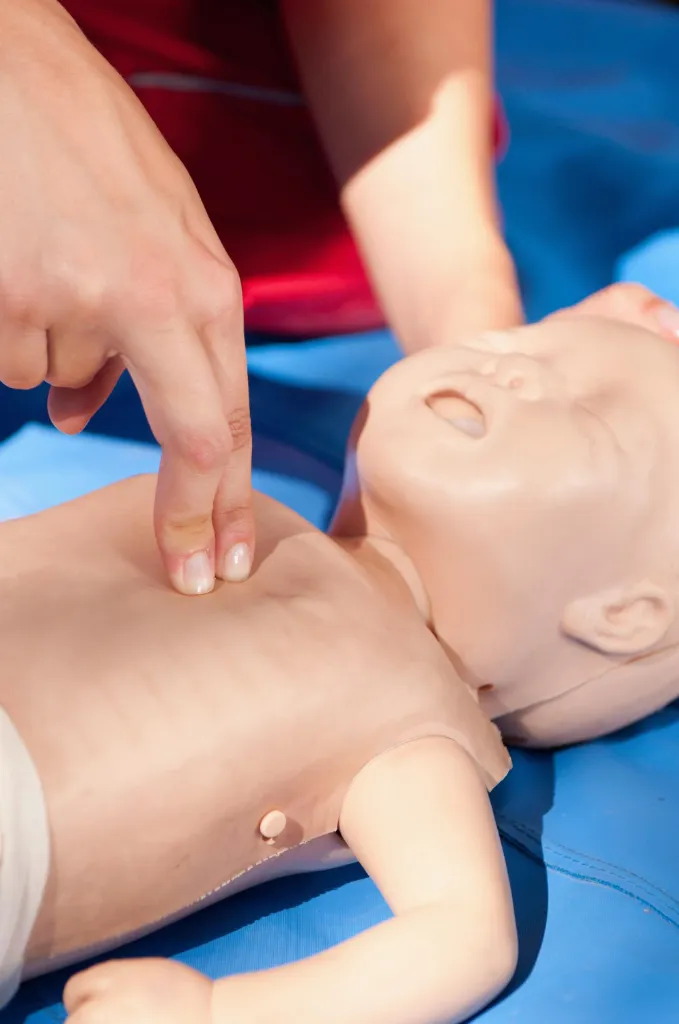
🧰 What Resources Can Support Your Training?
Learning CPR and first aid goes hand-in-hand with being prepared. A practical tool to keep with your training is the First Aid Kit Checklist (Admin & Safety) Buy Now $0.00—a simple way to ensure you have supplies ready for any #emergency.
How can you maintain readiness after certification?
Certification is not a substitute for an organized, maintained response system. Check supplies on a regular schedule, replace items that have been used or are no longer suitable, and ensure staff know where the kit is kept. Review emergency contacts and procedures when staffing, enrollment, or room arrangements change. These steps support readiness but do not replace any training, documentation, or emergency-planning requirements that apply to your program.
For a broader planning aid, consult the Emergency Preparedness Quick-Reference Guide for Child Care Staff Buy Now $1.99. Related reading on CPR and maintaining a well-stocked first aid kit can also help connect individual skills with preparedness routines.
Blended courses may suit learners who can complete online study independently and attend the required skills component. Whether a course is appropriate depends on the learner’s goals and any applicable workplace or licensing requirements. Common audiences include:
-
Parents and caregivers who want quick, flexible training
-
Busy professionals with tight schedules
-
Employers who want to certify #staff efficiently
-
Educators and coaches who need practical skills with minimal disruption to work
🌟 What should you remember about blended CPR and first aid training?
At AIDCPR.com, blended CPR and first aid training combines online study with practical skills practice. The format can offer scheduling flexibility, but course content, session length, and certification terms vary; review the specific course details before enrolling. For child care professionals, confirm with the relevant licensing agency or employer whether a particular certification meets the requirements for their role and program. For a comparison of delivery formats, read whether to choose online or in-person CPR training.
In summary: Blended training combines self-paced online learning with an in-person skills session. Check course details and certification terms before enrolling, and confirm with your licensing agency or employer that the specific course is appropriate for your role and program. Maintain readiness by practicing team procedures and keeping emergency supplies and information accessible to authorized staff.
👉 Register today, and don’t forget to follow AidCPR on social media for more resources and training updates!
- Give the Gift of Life This Holiday: Take CPR Training with AidCPR
- First Aid and CPR: An Investment in Community Safety
- AidCPRProcess
- Become the Hero Every Parent Trusts: Take Pediatric First Aid & CPR with AidCPR Today!
- Celebrate Heart Month: Learn CPR & First Aid to Protect Little Hearts!
- Save Lives with Ease: Take Your BLS Training with AidCPR this Heart Month!
- Boost Your Life-Saving Skills with BLS Training at AidCPR!
- Be the Hero Before Backup Arrives: First Aid & CPR Training for Security Pros
- Could You Save a Choking Child? Learn How with AidCPR
- Flex Your Safety Muscles: Why Every Fitness Pro Needs First Aid & CPR Training
- ❤️Goldfish, Glue Sticks & 911: Why CPR & First Aid Is Non-Negotiable for Childcare Providers
- ❤️Essential First Aid Tips Every Parent and Caregiver Should Know
- 🫀Everyday Heroes: Why the Average Person Needs to Be CPR Certified
- 🫁Lifesaving Made Simple: How Easy It Is to Get CPR & First Aid Certified with AIDCPR
