When emergencies occur, prompt, competent action changes outcomes. First Aid and CPR training trains providers to assess scene safety, prioritize airway/breathing/circulation, and deliver immediate interventions that preserve life and limit harm. Childcare professionals and caregivers who need pediatric-focused instruction can consider ChildCareEd’s Pediatric Blended First Aid & CPR/AED Buy Now $85.00$80.00 or the in-person Pediatric In-Person First Aid & CPR/AED Buy Now $95.00; both provide hands-on skills practice for infants, children, and adults. Whether you are a parent, #teacher, or #healthcare professional, structured training builds clinical judgment, procedural fluency, and situational confidence. Below we examine how that competence translates into real benefits for individuals, workplaces, and communities.
What are the top 10 benefits of First Aid and CPR training for early childhood professionals?
- Improved survival rates. Rapid recognition and immediate high-quality CPR and AED use are the single most important actions for survival in cardiac or respiratory arrest; training makes staff ready to deliver them.
- Faster recognition and response. Trained staff identify signs of life‑threatening events earlier and follow the ABC sequence and emergency action steps without hesitation.
- Reduced severity of injuries and complications. Early hemorrhage control, basic wound care, positioning, and stabilization reduce the chance that an injury or medical event will worsen before EMS arrives.
- Pediatric-specific competence. Providers learn infant- and child‑specific techniques (compression depth, rescue breaths, choking maneuvers) so interventions fit the patient and age group.
- Greater confidence and calmer decision-making. Repeated practice and scenario-based drills reduce panic and improve clinical judgment during real incidents.
- Stronger workplace safety and preparedness. Training supports emergency action plans, role assignment, communication protocols, and smoother coordination with responders.
- Awareness of legal and documentation practices. Courses cover Good Samaritan concepts, reporting basics, and documentation that protect helpers and clarify responsibilities.
- Professional development and workforce value. Competency in life‑saving skills enhances staff readiness, supports career development, and can be part of a program’s training plan.
- Community resilience. When more adults in a program and community are trained, overall readiness increases and bystander response improves.
- Retention of skills through regular practice. Structured refreshers, workplace skills checks, and drills keep procedural fluency current and reduce skill decay; share training to build program‑level #preparedness.
How does First Aid and CPR training empower providers to save lives?
Knowing First Aid and CPR gives you the power to act during emergencies. Whether it's a choking child or an unconscious adult, your quick intervention can mean the difference between life and death. By training with AidCPR, you’ll gain the confidence to take action and help those in need. Read more about pediatric-focused first aid training in Pediatric First Aid and CPR Training with ChildCareEd.
How does First Aid and CPR training improve safety awareness in childcare settings?
First Aid and CPR courses teach you to recognize potential hazards and prevent accidents. From identifying choking hazards in a childcare setting to understanding signs of a heart attack, this training enhances your ability to create safer environments at #home, work, and in public spaces. See What should child care providers learn in Child Care Health and Safety Training? for recommended hazard-assessment practices.
What immediate response skills does First Aid and CPR training develop?
Emergencies happen in the blink of an eye, and waiting for professional help can take precious minutes. First Aid and CPR training equips you to act immediately—whether it’s performing CPR, stopping bleeding, or assisting someone in shock—giving victims the best chance of recovery. Learn how hands-on practice builds decisive skills in First Aid & CPR ~ Empowerment Through Lifesaving Skills.
How does training build confidence for managing crises?
In emergencies, panic can be a common response. With proper training, you’ll feel confident and prepared to manage high-stress situations. AidCPR’s courses provide hands-on practice, ensuring you’re ready to face real-life scenarios without hesitation. See strategies for building instructor-led confidence in How can Georgia early childhood educators build confidence with CPR and AED training?.
How can First Aid and CPR certification support workplace preparedness and career growth?
Many workplaces require employees to have First Aid and CPR certification. From healthcare providers to #teachers, this training is often a necessity. Having these certifications can make you a more competitive candidate for jobs and ensure you’re ready to handle emergencies in professional settings. For state- and role-specific guidance, see Why Should Texas Early Childhood Educators Get CPR and AED Training?.
How does community training in First Aid and CPR create a safer environment?
Communities thrive when members are prepared to help one another. When more people are trained in First Aid and CPR, the collective ability to respond to emergencies improves. Taking a course with AidCPR contributes to a stronger, safer, and more resilient community. Read about how health and safety training works in programs in How can health and safety training work in early childhood programs?.
What life-saving knowledge should parents and caregivers gain from First Aid and CPR training?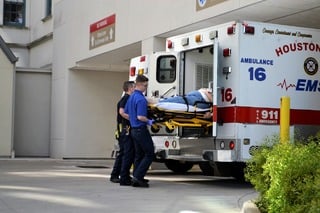
Parents and caregivers face unique challenges when caring for children, who are prone to accidents and illnesses. First Aid and CPR training empowers you to handle child-specific emergencies like choking, drowning, or allergic reactions with skill and composure.
How does proper first aid prevent injuries or conditions from worsening?
Proper First Aid can stabilize a person’s condition and prevent injuries or illnesses from worsening. For example, knowing how to immobilize a broken bone or manage a seizure can ensure the victim receives appropriate care while waiting for medical professionals.
What legal protections and responsibilities should helpers understand (Good Samaritan laws)?
Many people hesitate to help during emergencies out of fear of legal repercussions. AidCPR courses teach you about Good Samaritan Laws, which protect individuals acting in good faith to help others. Understanding your rights and responsibilities gives you peace of mind when stepping in to assist.
In what ways does First Aid and CPR training let you make a measurable difference?
By taking First Aid and CPR training, you’re not just learning life-saving skills—you’re also becoming an advocate for #safety and #preparedness. Encouraging others to take a course can ripple through your community, multiplying its impact and fostering a culture of readiness.
Why should you choose AidCPR for First Aid and CPR training?
AidCPR is committed to providing high-quality, flexible training tailored to your needs. With options for blended or in-person courses, hands-on practice, and expert instruction, you’ll walk away with the skills and confidence to respond effectively in emergencies.
Start your journey toward becoming a life-saving hero today. Sign up for a First Aid and CPR course with AidCPR and make a lasting impact in your community. #cpr Consider ChildCareEd's Pediatric First Aid Only (Blended) Buy Now $80.00 for child-focused first aid training that concentrates on choking protocols, pediatric injuries, and stabilizing care for infants and children.
What are the key takeaways and next steps?
Summary: First Aid and CPR training confers practical competencies—scene assessment, airway/breathing/circulation prioritization, hemorrhage control, and safe use of an AED—that materially improve immediate outcomes and reduce the risk of escalation while professional help is en route. For early childhood professionals, pediatric-focused modules change the procedural details (infant/child compression depth, choking maneuvers, epinephrine administration recognition) while preserving the core assessment and safety sequence. Training also supports organizational readiness by clarifying roles, emergency action plans, and communication pathways. Enroll in a ChildCareEd pediatric course, confirm acceptance with your licensing agency, and schedule regular skill checks to keep competencies current.
Next steps you can take right now: 1) Choose a course format that meets your needs (blended or in-person), 2) confirm acceptance of the certificate with your licensing agency or employer before relying on it for regulatory compliance, 3) practice skills periodically through skills checks or workplace drills, and 4) share training opportunities with colleagues to increase program resilience. If you are responsible for program compliance, consult the ChildCareEd course descriptions and your state licensing guidance before assuming credits or approvals apply to your license type.
Courses and resources: Consider ChildCareEd's Pediatric Blended First Aid & CPR/AED Buy Now $85.00$80.00, the Pediatric In-Person First Aid & CPR/AED Buy Now $95.00, or the Pediatric First Aid Only (Blended) Buy Now $80.00 depending on whether you need hands-on verification or a pediatric-only certificate.
Further reading on related ChildCareEd topics: What should child care providers know about Child Care Health and Safety Training?, What should child care providers learn in Child Care Health and Safety Training?, First Aid & CPR ~ Empowerment Through Lifesaving Skills, Why Should Child Care Providers Get CPR and First Aid Training?, How can Georgia early childhood educators build confidence with CPR and AED training?, and Why Should Texas Early Childhood Educators Get CPR and AED Training?.
References: American Heart Association Heartsaver First Aid CPR AED (course content and skill-practice methods) and Virginia Tech Environmental Health & Safety: First Aid/CPR/AED (scene safety, ABC assessment, Good Samaritan guidance). These authoritative sources support the procedural points and recommended safety practices discussed above.
If you need help choosing a training path that aligns with your licensing or credentialing requirements, contact your state licensing office or ChildCareEd support for documented acceptance guidance.
- Basic Life Support (BLS) In-Person Healthcare Providers
- Adult Only CPR AED and Adult First Aid Blended
- Basic Life Support (BLS) Blended Healthcare Providers
- Pediatric Blended First Aid & CPR/AED Adult, Child, Infant
- Pediatric RSV First Aid & CPR/AED
- Pediatric In-Person First Aid & CPR/AED Adult, Child, Infant
- Adult First Aid Only - Blended
- Give the Gift of Life This Holiday: Take CPR Training with AidCPR
- First Aid and CPR: An Investment in Community Safety
- AidCPRProcess
- Got CPR and A Well-Stocked First Aid Kit?
- Become the Hero Every Parent Trusts: Take Pediatric First Aid & CPR with AidCPR Today!
- Save Lives with Ease: Take Your BLS Training with AidCPR this Heart Month!
- Boost Your Life-Saving Skills with BLS Training at AidCPR!
- CPR Training: Because Glue Sticks Can’t Fix Everything!
- Be the Hero Before Backup Arrives: First Aid & CPR Training for Security Pros
- 🚨 Emergencies Don’t Make Appointments!
- 🌞 Don't Let Summer Fun Turn Scary — Be CPR Ready with AidCPR!
- Camp-Ready & CPR-Certified: Be Prepared for Every Summer Adventure
- Your First CPR Class? Here's What You Can Expect
- Cardio-Ready and Confident: Why Keeping Your CPR Certification Current Is Critical
- Top 10 Child Care Injuries and How Aid CPR Training Helps
