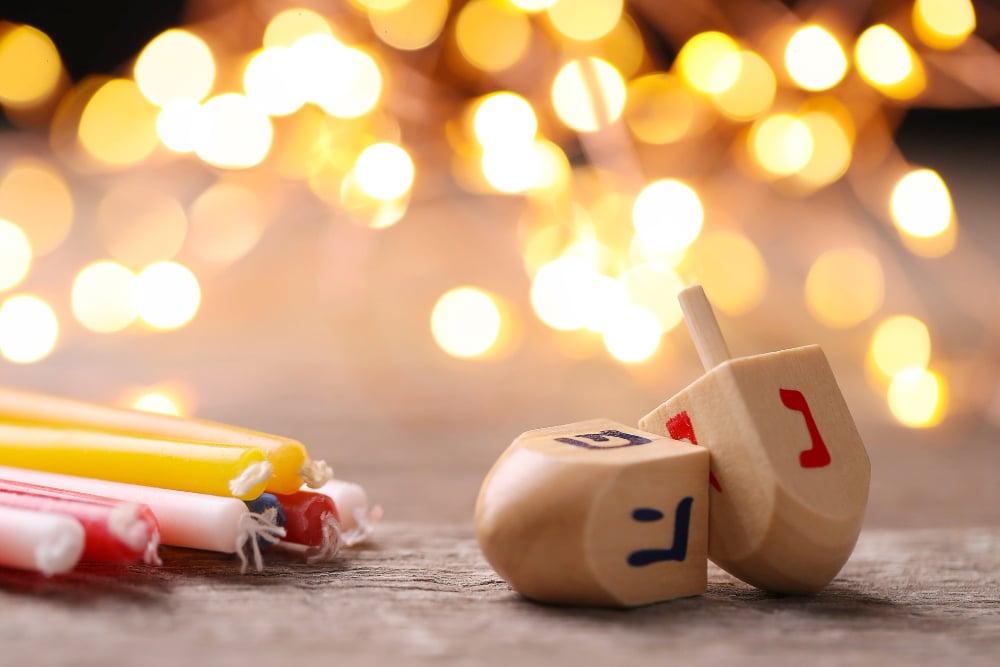
 The holiday season is full of twinkling lights, warm candles, and festive decorations — and while it brings joy, it also brings hidden risks, especially in #early-childhood settings. As caregivers and #educators, we have the chance (and responsibility) to turn the magic into a #safe, spirited celebration. Below are practical tips, prevention strategies, and training resources to help you build joyful décor and a prepared environment.
Light & Decoration Safety: What to Watch For
-
Strings of lights and electrical cords — those little bulbs and dangling cords might look harmless, but they can pose tripping hazards, over #heating issues, or even burn risks if they’re not monitored. Ensure cords are out of children’s pathways, lights are properly rated for indoor use, and nothing is frayed or damaged.
-
Candles, tea-lights, and open flames — nothing says “holiday ambiance” like a candle’s glow, but open flames demand strict supervision. For #classrooms, consider using battery-operated flameless candles. If you decide to use real flames (with older children or in #staff zones), always place them well out of reach, away from flammable materials, and never leave them unattended.
-
Decorative materials — garlands, tinsel, ribbons, paper cut-outs: all festive, but many are flammable. Place these away from heat sources, keep them high up or out of reach of #toddlers, and make sure nothing is dragging or within reach of curious little hands.
-
Overloaded electrical outlets — plugging too many strings of lights into a single outlet can cause overheating or electrical failure. Use surge-protectors, check for manufacturer #safety ratings, and always turn off decorations when not supervised (especially overnight).
-
Accessibility for supervision — set up your decorating plan so that staff can clearly see decorations and cords, and children cannot easily reach or tangle themselves. Regularly walk the space and test that everything is secure.
Preventive First Aid Mindset: Be Ready for the Unexpected
Even with the best precautions, little accidents happen. That’s why having a strong first-aid posture is key. For example: burn and scald injuries often happen with hot decorations, crowded spaces, or curious children reaching for bright lights. To support that readiness:
-
Make sure your team is trained in basic first aid and CPR through courses such as First Aid & CPR (Blended) Buy Now
$85.00$80.00offered at ChildCareEd. -
Strengthen your general safety environment with training like Everyday Safety: Creating Healthy Environments
 Buy Now $55.00 to help you plan for safe spaces when the holidays bring extra décor, guests, or changes in routine.
 -
Prepare for bigger possibilities with Emergency & Disaster Preparedness
Buy Now $55.00$45.00 so the whole program is ready for unexpected events, whether it’s an electrical issue, fire, or evacuation scenario. -
Download your #free resource flyer “Burn & Scald Prevention Buy Now $0.00” to post in your staff room, send #home with families, or review during a staff meeting.
Practical Tips for Holiday Decoration & First-Aid Preparedness
-
Use cool‐light LED strings instead of incandescent bulbs: less heat, less risk of #burns.
-
Anchor cords along baseboards or behind furniture with tape or cord covers to reduce tripping.
-
If you use candles, place them on stable surfaces, away from curtains or paper décor, and lock the room when not supervised.
-
Teach children the “look but don’t touch” rule: help kids understand that lights are for looking at, not playing with. Reinforce this by modeling #safe-behavior.
-
Create a “safety check” routine: each morning when the children arrive, glance at all decorations, cords, candles, and lights. Fix or unplug anything that seems risky.
-
Have your first aid station clearly marked and stocked — and ensure that staff know how to respond if a child is burned or scalded. Quickly cooling a burn under running water, covering with a clean dressing, and seeking medical attention if needed makes a huge difference.
-
Practice a short drill: “If a cord is pulled or a light #falls, we stop, the #teacher unpluggs, we check the child, we give first aid if needed.” Short, fun, quick. Reinforce calm, confident response.
Why This Matters
In the bustle of holiday excitement, safety can sneak into the background—but it’s precisely during festive moments that children may be more curious, more mobile, and less aware of hazards. By combining decoration planning with first-aid readiness, you create a space where joy and safety go hand in hand. Your environment says to families: we’re celebrating and we’re vigilant. That’s peace of mind they’ll remember.
Final Takeaway
Decorations light up the room, but they shouldn’t lighten your guard. Use cooler lights, secure cords, substitute flameless candles, and adopt regular safety checks. Make your first-aid training part of the holiday setup: your team knows what to do, your first-aid kit is ready, and your signage (like the Burn & Scald flyer) reminds everyone of best practices. Let the season shine—and keep it safe for every child in your care.
Want to make this season your safest yet? Start by enrolling in training, reviewing your environment, and posting your safety flyer. Then enjoy the sparkle, the laughter, and the calm confidence of a well-prepared childcare community.
💬 Stay Connected With ChildCareEd
Follow ChildCareEd on Instagram for more #early-childhood tips, #preparedness, resources, and professional guidance:
https://www.instagram.com/childcareed/
