Imagine this: you are on duty at a busy corporate building in Rockville when a visitor suddenly collapses in the lobby. While untrained bystanders may hesitate, a prepared security professional initiates high-quality CPR and deploys an AED, sustaining perfusion until emergency medical services arrive. Security teams across Frederick, Germantown, and Gaithersburg face comparable operational risks; completing accredited adult First Aid and CPR/AED training — for example, ChildCareEd's Adult Only CPR & AED Buy Now $70.00 and the Adult First Aid & CPR/AED Blended Buy Now $85.00$80.00 course — and partnering with local instructors such as AidCPR better prepares responders to preserve life, perform rapid scene assessment, and coordinate with EMS. These programs emphasize psychomotor practice, scenario-based drills, and team communication that improve retention and on-scene performance.
How does First Aid and CPR/AED training give security professionals a life-saving edge?
Security professionals are the first line of defense in emergencies—not just against threats, but also against medical crises. Having First Aid and CPR/AED training gives you an edge in your role by:
What specific skills will security professionals gain from First Aid and CPR/AED training?
Structured first aid and CPR/AED programs teach a sequence of evidence-based actions that increase the chance of survival and reduce the risk of secondary injury. Practitioners will develop:
Scene and risk assessment: rapid scene size-up, prioritization of hazards (electrical, chemical, structural), and strategies to establish rescuer safety and infection control before patient contact.
High-quality CPR: proficiency in high-quality chest compressions (correct rate, depth, and recoil), timely ventilation technique when indicated, and minimizing pauses in compressions. These psychomotor skills are reinforced through repeated hands-on practice and scenario-based drills.
AED operation and public-access defibrillation: recognition of shockable rhythms, safe pad placement, and the sequence for powering, analyzing, and delivering shocks with contemporary AEDs. Familiarity with AED maintenance and placement decisions reduces delays in defibrillation for sudden cardiac arrest.
Airway management and choking relief: maneuvers to clear foreign-body airway obstruction in responsive and unresponsive adults, and techniques tailored to body habitus and situational constraints.
Hemorrhage control and basic trauma care: rapid identification of life-threatening bleeding, application of direct pressure, wound packing, and use of tourniquets where indicated to prevent exsanguination prior to EMS arrival.
Communication and coordination: effective interaction with 911 dispatch and arriving emergency medical services, documentation of care provided, and leadership/teammate roles during multi-responder events.
For programs that combine remote learning with hands-on verification, see practical guidance on skills-delivery and remote evaluation in our article about the benefits of CPR remote skills training. Training that integrates scenario-based practice and AED drills produces the strongest retention and workforce confidence.
🔹 Saving Lives – Knowing CPR and how to use an AED can mean the difference between life and death in sudden cardiac arrest cases. Every minute without CPR reduces survival chances by 7-10%.
🔹 Enhancing Your Career – Many security employers prefer or require #CPR certification. Being trained sets you apart and makes you more valuable in high-risk environments.
🔹 Boosting Confidence – When an #emergency strikes, trained individuals don’t hesitate—they act. With proper training, you’ll feel ready to handle medical situations with calm and confidence.
🔹 Expanding Job Opportunities – Security professionals with medical training can qualify for specialized roles, such as executive protection, event security, or high-risk facility assignments.
🔹 Being a True Guardian – Your job is to protect people, and that includes their #health. First Aid training means you can assist in everything from minor injuries to major medical events.
Why choose AidCPR or ChildCareEd for flexible, convenient, and effective training?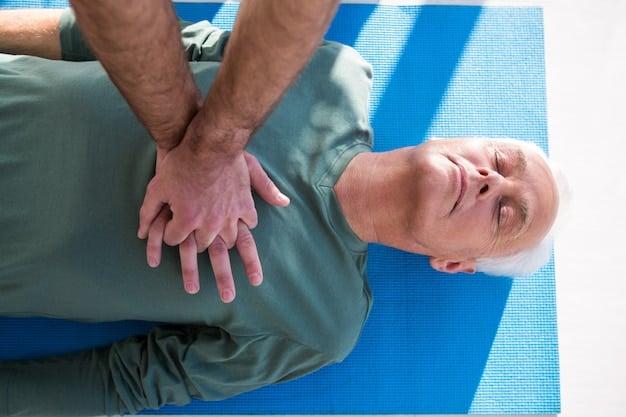
At AidCPR, we make getting certified easy and convenient. We’re located in Gaithersburg, MD, near Rockville, Germantown, and Frederick, making us an accessible choice for security teams across the region.
How can employers implement training for security teams?
Employers can operationalize training by following a pragmatic implementation plan: conduct a risk assessment to determine exposure profiles (events, public access spaces, high-risk operations), define required competencies per role, and select a delivery model that balances logistics with competency outcomes. Consider a blended model (self-directed online modules plus instructor-led skills verification) to minimize operational disruption while ensuring hands-on proficiency.
Key steps include:
1. Assess and prioritize risks: identify locations and shifts with the highest probability of cardiac, respiratory, or traumatic events.
2. Choose accredited courses and scheduling: enroll staff in accredited programs such as ChildCareEd's Adult/Child CPR, AED, and Adult First Aid Blended Buy Now $85.00 option to ensure broad applicability across adult and child events. Use on-site group sessions for practical drills to simulate realistic constraints (crowds, confined spaces).
3. Maintain certification currency and records: centralize documentation, schedule routine renewals, and require annual refreshers or brief skill drills between formal recertification periods.
4. Integrate equipment and logistics: map AED locations, establish pad-check and maintenance responsibilities, and perform monthly AED readiness checks. Create clear protocols for bystander delegation, 911 activation, and handing care to EMS.
5. Reinforce with drills and after-action review: tabletop exercises and live drills improve coordination; document lessons learned and update site-specific emergency response plans. For practical process guidance from peer ChildCareEd content, see AidCPRProcess, First Aid and CPR: An Investment in Community Safety, and Learn CPR and Be the Hero in a Crisis!!.
Employers that pair clear policy, available equipment, and regular practice will see higher confidence and readiness in their security teams. Additional implementation considerations tailored for educational or seasonal operations are discussed in Getting Ready for the New School Year.
We offer:
✅ In-Person Training – Hands-on practice with experienced instructors.
✅ Blended Learning – Complete part of the course online, then finish with in-person skills training.
✅ On-Site Training – We come to your workplace for group sessions, making it easy for security teams to train together.
How have First Aid and CPR trainings made a real impact for security staff?
Meet Carlos, a security officer in Germantown. One evening at a corporate event, a guest choked on an appetizer. Thanks to his First Aid training with AidCPR, Carlos knew exactly what to do. He performed the Heimlich maneuver, clearing the airway before paramedics arrived. The guest later said, “If it weren’t for Carlos, I don’t know what would’ve happened.”
These stories aren’t rare. Security professionals like Carlos are saving lives every day—because they took the time to train.
When should you schedule training to make sure you're prepared?
Emergencies don’t wait for the “right time.” The question isn’t if a medical crisis will happen during your shift—it’s when. Will you be ready?
Sign up for Adult First Aid & CPR/AED training with AidCPR today. Whether you’re an individual security professional or a team looking for group training, we’ve got you covered.
What should I do next to be prepared?
Summary / Next steps: enroll in an accredited course, ensure at least one team member has up-to-date CPR/AED and first aid certification, schedule on-site skills drills at intervals that reflect your site's risk profile, and maintain AED readiness documentation. Confirm with your employer or licensing body which certifications match job requirements; where multiple options exist, prefer blended courses with instructor-verified skills practice to ensure psychomotor competence.
Where can I find authoritative guidance on CPR and AED protocols?
Reference: training curricula and skill sheets that underpin modern first aid and resuscitation guidance are summarized in advanced training texts. For an accessible, structured reference that covers CPR, AED use, scene actions, and skill sheets used in training, see the provided training resource: Advanced First Aid, CPR, and AED (7th ed.). This reference supports procedural sequences, AED fundamentals, and action-at-an-emergency guidance referenced earlier in this article.
- AidCPRProcess
- CPR Training: Because Glue Sticks Can’t Fix Everything!
- Be the Hero Before Backup Arrives: First Aid & CPR Training for Security Pros
- ❤️Goldfish, Glue Sticks & 911: Why CPR & First Aid Is Non-Negotiable for Childcare Providers
- Click, Learn, Save a Life! Should You Take CPR Training Online or In Person?
