Why should teachers, daycare providers, parents, and healthcare professionals prioritize safety with AidCPR?
Preparing for emergencies is essential for teachers, daycare providers, parents, and healthcare professionals. Prioritizing safety through accredited first aid and CPR training protects children and adults, enhances professional competence, and strengthens organizational preparedness. Consider ChildCareEd's Pediatric Blended First Aid & CPR/AED Buy Now $85.00$80.00 or its BLS for Healthcare Providers Buy Now $95.00 as practical, flexible training options that pair online learning with skills verification. See AidCPR's program overview for their course options and scheduling: AidCPR: Prioritize Safety.
Why does safety matter for caregivers and child-serving professionals?
Emergencies can happen anywhere, whether it’s a classroom, daycare center, home, or hospital. Being prepared can mean the difference between a positive outcome and tragedy. Here’s why investing in first aid and CPR training is essential:
How does first aid and CPR training protect lives in critical moments?
As a teacher or daycare provider, your priority is the safety of the children in your care. A choking incident, allergic reaction, or sudden cardiac arrest can happen without warning. Parents and healthcare professionals face similar situations daily. With the proper training, you can confidently step in when every second counts.
How does certification enhance professional competence?
CPR and first aid certifications are often required for teachers, childcare workers, and healthcare professionals. Staying certified not only meets regulatory standards but also demonstrates your commitment to safety and professionalism.
How does training increase confidence and reduce response errors?
Emergencies are stressful, but having the skills to handle them effectively brings peace of mind. Whether you’re supervising children, working with patients, or caring for family members, knowing how to respond makes all the difference.
How does individual training contribute to community preparedness?
When more people are trained in life-saving skills, the entire community benefits. Your training could inspire others to prioritize safety, creating a ripple effect that enhances preparedness and well-being.
How does AidCPR structure safety training for different professional roles?
AidCPR is dedicated to equipping teachers, daycare providers, parents, and healthcare professionals with the tools they need to handle emergencies. Our courses are comprehensive, practical, and tailored to your unique needs: See AidCPR's program overview: AidCPR: Prioritize Safety.
Specialized training for every role: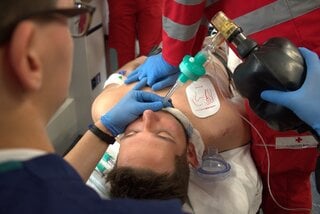
- Pediatric First Aid and CPR: Designed for those caring for children, this course covers choking relief, CPR, and other emergency responses for infants and young children. Consider ChildCareEd's Pediatric Blended First Aid & CPR/AED Buy Now
$85.00$80.00 or its Pediatric In-Person First Aid & CPR/AED Buy Now $95.00 as additional training options; confirm acceptance with your licensing specialist or registry before relying on any single course. - BLS for Healthcare Providers: This course meets the needs of medical professionals, focusing on CPR for all age groups, AED use, choking relief, and team dynamics.
Flexible training options:
We know how busy life can get, so we offer training formats that work with your schedule:
- In-Person Classes: Perfect for those who learn best in a traditional classroom setting, our in-person courses provide hands-on practice and real-time feedback.
- Blended Learning: Complete the coursework online at your own pace, then attend an in-person skills session to practice and refine your techniques.
- On-Site Training: Have a group of eight or more? We’ll bring the training to your location, saving you time and ensuring your team is prepared together.
Experienced instructors:
Our team of certified instructors brings years of experience to every class. They provide clear guidance, answer questions, and simulate real-world scenarios to ensure you’re fully prepared.
Recognized certification:
AidCPR certifications meet industry standards and are widely recognized, so you can rest assured that your training will fulfill professional requirements and instill confidence in your abilities.
Why does flexibility in training matter?
Busy schedules shouldn’t be a barrier to safety. That’s why AidCPR offers flexible options that fit seamlessly into your routine:
- Learn Anytime, Anywhere: With blended learning, you can study online at your convenience, whether it’s during lunch breaks, after work, or on weekends.
- Hands-On Practice When You Need It: Attend an in-person skills session near you to gain practical experience with expert guidance.
- Convenient Group Training: If you have a group of eight or more, we’ll bring the training to you, whether it’s at a school, daycare center, or healthcare facility.
What sets AidCPR apart?
By choosing AidCPR, you’re not just enrolling in a course—you’re joining a community dedicated to safety and preparedness. Here’s what sets us apart:
- Accessibility: Our Gaithersburg, MD location is conveniently located, and our on-site training option ensures that everyone can access life-saving education.
- Comprehensive Coverage: From basic first aid to basic life support, we provide the skills you need for any emergency.
- Community Commitment: We’re passionate about empowering individuals and organizations to create safer environments for everyone.
What additional ChildCareEd articles and resources can help me prepare?
For practical implementation and policy context, consult ChildCareEd articles and local-course pages that address classroom health, pediatric protocols, and licensing-related training paths. The following selected articles provide concise implementation steps, recommended topics, and links to training that many programs find useful:
- First Aid & CPR ~ Empowerment Through Lifesaving Skills
- Getting Ready for the New School Year: Prioritizing Safety with First Aid and CPR Training
- Pediatric First Aid and CPR Training with ChildCareEd - Empower Yourself!!
- How can I create a safe childcare environment for every age group?
- How can Georgia early childhood educators build confidence with CPR and AED training?
- What training do I need to run a safe and legal home daycare?
These links explain how to integrate first aid and CPR into program policies, how to schedule blended or onsite skills sessions, and how other providers document training for licensing purposes. Use them to build a short action plan for staff training, skills verification, and parent communication.
What are the next steps to prioritize safety?
Take these practical steps to translate readiness into routine practice:
- Assess: Inventory staff certifications and identify gaps for age groups you serve.
- Choose training that fits learners: for caregivers of infants/children consider Pediatric Blended First Aid & CPR/AED Buy Now
$85.00$80.00; for clinical staff choose BLS for Healthcare Providers Buy Now $95.00; for general staff consider Basic Health & Safety. Confirm acceptability with your licensing authority. - Schedule skills verification: plan onsite or group skills sessions to reinforce online learning and encourage team competence.
- Document and rehearse: keep certificates on file and run periodic drills so the whole team practices roles and communication.
If you work in Georgia, confirm applicable licensing training requirements with your state child care licensing agency and review our Georgia-focused guidance for educators: How can Georgia early childhood educators build confidence with CPR and AED training?. For course details and scheduling, see AidCPR's offerings: AidCPR courses.
How can I summarize the main actions to prioritize safety now?
Summary: 1) Assess staff certifications and identify gaps by age group served; 2) enroll staff in role-appropriate training (e.g., Pediatric Blended First Aid & CPR/AED for caregivers of infants and children, BLS for Healthcare Providers for clinical staff) and confirm acceptability with your licensing agency; 3) schedule skills verification sessions and run routine drills to practice roles and communication; 4) document certificates and keep a training calendar to ensure ongoing compliance and team readiness. These steps create a sustainable safety routine for your program.
- Why Pediatric First Aid Training is Crucial for Daycare Providers
- Give the Gift of Life This Holiday: Take CPR Training with AidCPR
- First Aid and CPR: An Investment in Community Safety
- AidCPRProcess
- Boost Your Life-Saving Skills with BLS Training at AidCPR!
- Be the Hero Before Backup Arrives: First Aid & CPR Training for Security Pros
