When caring for children, their #safety and well-being are paramount. Daycare providers, #teachers, and #parents are often on the front lines, responsible for ensuring that children are safe and cared for in various situations. Accidents, injuries, and medical emergencies can occur without warning, making it essential to be prepared. This is where Pediatric First Aid and CPR training comes into #play—not just as a requirement for some professions, but as a vital skill set that can save lives and provide peace of mind. Consider ChildCareEd's Pediatric Blended First Aid & CPR/AED Buy Now $85.00$75.00 or our In-Person First Aid & CPR Buy Now $95.00$85.00 courses to get certified with flexible formats that fit work and family schedules.
AidCPR understands how crucial these skills are and offers guidance to help you become confident and prepared to handle emergencies. Whether you are a childcare professional, #educator, or parent, structured training tailored to pediatric physiology improves readiness and situational decision-making.
Why should daycare providers, teachers, and parents be trained in Pediatric First Aid and CPR?
- Regulatory and employer requirements: Many licensing authorities and school policies require current pediatric first aid and CPR certification for staff who supervise children.
- Physiologic differences of children: Children have distinct airway, circulatory, and metabolic characteristics that change assessment and intervention techniques.
- Unpredictable, time-sensitive events: Emergencies such as choking, anaphylaxis, or cardiac arrest can progress rapidly; immediate, trained action improves outcomes.
- Improved survival with timely CPR: Immediate CPR can substantially increase survival after cardiac arrest; training programs teach high-quality compressions and ventilations appropriate for infants and children.
- Risk recognition and prevention: Trained caregivers are more likely to identify hazards, modify environments, and implement preventive measures.
- Team readiness and reduced panic: Hands-on training builds procedural fluency and confidence, which reduces response latency in real events.
- Community preparedness: Broad adult competency in pediatric first aid fosters safer learning environments and models preparedness for children.
Why should parents, teachers, and daycare providers act now?
Training in Pediatric First Aid and CPR is not just about compliance or ticking a box. It’s about making a commitment to the children in your care and ensuring their safety in any situation. By investing time in learning these skills, you can:
- Protect the children you care for.
- Gain confidence to act in emergencies.
- Reduce the severity of injuries or outcomes.
- Create a safer environment for children to learn, grow, and play.
How can AidCPR help me learn lifesaving skills?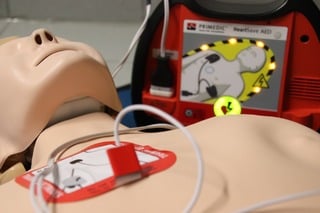
At AidCPR, we specialize in providing Pediatric First Aid and CPR training tailored to meet the needs of daycare providers, teachers, and parents. Our courses are designed to be practical, comprehensive, and accessible, so you can feel empowered to handle emergencies effectively.
You will learn practical skills, including the following competencies:
- CPR for Infants and Children: Step-by-step guidance on performing CPR tailored to the unique physiology of children.
- Choking Relief: Techniques for clearing airway obstructions in infants and children.
- AED Use: How to safely and confidently operate an automated external defibrillator.
- First Aid Fundamentals: Addressing common injuries like cuts, burns, and fractures.
- Recognizing Emergencies: Identifying signs of serious conditions such as anaphylaxis, asthma attacks, or seizures.
What training formats are available?
AidCPR offers both in-person and blended training options to accommodate your busy schedule. Whether you’re a working parent, a daycare provider, or a teacher managing a classroom, our flexible formats ensure you can get certified at your convenience.
Training at your location: For groups, such as daycare staff or teachers, we can bring the training to you. This is a great way to ensure your entire team is prepared and certified in a familiar setting.
Local Gaithersburg location: Prefer to come to us? We offer training at our Gaithersburg, MD location, with sessions tailored to fit your schedule.
Which ChildCareEd courses and articles can help me get started?
Recommended ChildCareEd courses:
- Pediatric Blended First Aid & CPR/AED Buy Now
$85.00$75.00 (blended: online + skills verification) - Pediatric In-Person First Aid & CPR/AED Buy Now
$95.00$85.00 (in-person skills session) - Pediatric First Aid Only (Blended) Buy Now $80.00 (first-aid focused, no CPR)
Related ChildCareEd articles for program planning and regulations:
- Pediatric First Aid and CPR Training with ChildCareEd
- First Aid & CPR ~ Empowerment Through Lifesaving Skills
- What training do I need to run a safe and legal home daycare?
- How do we handle a child care emergency in New York?
- How can childcare centers create effective emergency preparedness plans?
- In-Home Daycare Requirements in Texas
How do state licensing rules affect required pediatric first aid and CPR training, and what should Texas providers know?
State licensing and program regulations determine who must hold pediatric first aid and CPR certificates, which course formats are acceptable (for example, fully in‑person, blended with a skills check, or online-only), the number of required hours, and how certificates must be documented. Requirements differ by program type (center-based vs. in‑home), staff role (teacher, assistant, director), and the ages of children served. Because the specifics vary, the first step for any program or staff member is to identify the relevant licensing body or workforce registry for your program type and role and then confirm the agency's listed-approval policy or accepted course titles.
If you operate or plan to operate in Texas, review ChildCareEd’s in‑home daycare guidance (In-Home Daycare Requirements in Texas) to understand common expectations, but also verify the official Texas licensing rules directly with the state licensing authority or registry before relying on a single course to meet compliance. State agencies may require a specific course title, an approved provider, or instructor verification; acceptance can also vary by county or program classification. When seeking compliance, request written confirmation (email or policy page) that a particular ChildCareEd course will be accepted so you can retain it with personnel files.
Practical steps to confirm compliance: 1) Identify your licensing agency or registry and the program category that applies to you; 2) Locate their training or approved-course guidance; 3) Compare the ChildCareEd course description and learning objectives—such as the Pediatric Blended First Aid & CPR/AED Buy Now $85.00$75.00 or Pediatric In-Person First Aid & CPR/AED Buy Now $95.00$85.00 offerings—to the state's acceptance criteria; 4) Ask your licensing specialist whether the course is acceptable and keep documentation of that confirmation. These steps will help ensure that your training both improves child safety and meets regulatory expectations.
Summary: What should I do next?
Every moment counts in an emergency. Prioritize pediatric first aid and CPR training to protect children in your care: enroll in a certified course, ensure team-wide competency through group training, and integrate prevention strategies into daily practice. ChildCareEd offers flexible options—see the recommended courses above—and AidCPR provides supplemental guidance on implementing preparedness at the program level.
Contact us today to learn more or to schedule your training. Together, we can create a safer, more prepared community for our children.
