Summer is a time for adventure, sunshine, and outdoor fun—but it also brings risks that can escalate in seconds. From swimming #pool mishaps to playground injuries and #heat-related emergencies, #summer hazards are real—and they’re common, especially for children. The question is: Are you prepared to respond in a crisis? Whether you're a #daycare provider, #teacher, camp counselor, or parent, pediatric first aid and CPR/AED training materially increases the likelihood of a rapid, effective response when a child experiences a medical emergency. See our Pediatric Blended First Aid & CPR/AED Buy Now $85.00$80.00 and Pediatric In-Person First Aid & CPR/AED Buy Now $95.00 courses for program-friendly, role-specific options. At AidCPR, a ChildCareEd company, we provide instructor-led and blended formats tailored to professionals who care for children. We are located in Gaithersburg, MD—minutes from Germantown, a short drive from Frederick, and accessible from Baltimore.
Why does summer demand pediatric first aid and CPR training?
Children are naturally curious and active, which makes summer a season of both fun and risk. Common seasonal emergencies include:
-
Drowning and near-drowning in pools, lakes, or splash pads
-
Heat exhaustion or heat stroke during outdoor play
-
Bee stings or allergic reactions at camps or parks
-
Falls, sprains, and fractures on the playground or at sports events
-
Choking or breathing difficulties during cookouts or picnics
In these moments, hesitation can cost precious time. That’s why pediatric-specific training is essential. It's not just adult CPR in smaller doses—pediatric care requires different techniques, different timing, and a calm, confident response.
How can providers prevent drowning and keep water play safe?
Water safety is the single most time-sensitive risk in many summer settings; drowning is rapid and often silent. Structured prevention begins with layered defenses: engineering controls (fencing, pool covers), administrative controls (swim schedules, staff-to-child ratios, designated water-watchers), and active supervision combined with trained, credentialed responders. For program leaders, practical steps include conducting a pre-use water-safety checklist for pools and splash areas, assigning a designated, attentive water-watcher for every swim period, and ensuring buoyant rescue gear is available and staff know the facility-specific rescue plan.
Training alone is not enough: integrate scenario-based drills into staff meetings (simulated near-drowning, missing-child drills) and document them. The CDC emphasizes that most young-child drownings occur in private pools and within minutes; caregiver preparedness and immediate CPR can be lifesaving (CDC: Preventing Drowning). For more program-level approaches and supervision strategies, see our related guidance on keeping children safe around water and preventing drowning during water play. If choking or airway compromise occurs during mealtimes near water play, follow trained choking and CPR protocols immediately; resources on choking response are available in our choking-prevention and response article.
What does our training cover?
AidCPR’s Pediatric First Aid and CPR/AED course is built for real-life emergencies. You’ll learn how to:
-
Perform CPR on infants, children, and adults
-
Use an #AED effectively
-
Identify and respond to choking emergencies
-
Treat bleeding, burns, broken bones, and allergic reactions
-
Recognize signs of heatstroke, dehydration, and poisoning
-
Understand when and how to call 911
-
Stay calm and take action in drowning incidents
These aren’t just helpful skills—they’re lifesaving ones. They are tailored for child caregivers, teachers, summer camp #staff, and anyone responsible for children’s #safety. For program-level planning and to learn how other providers implement water and heat-safety practices, see Summer Fun Meets Summer Safety and Don't Let Summer Fun Turn Scary — Be CPR Ready.
What should a summer emergency plan include for my program?
Every program should maintain a concise, accessible summer emergency plan that clarifies roles, communication, and scene management. Core elements: 1) role assignments (who is the incident commander, who supervises children off-site), 2) rapid 911 call and family-notification templates with up-to-date emergency contact lists, 3) designated first-aid and AED locations with staff trained to use them, 4) clear procedures for water-related incidents (rescue, removal from water, evaluation, and 911 activation), and 5) protocols for heat-related illness recognition and rapid cooling. Assign one trained staff member to oversee emergency drills and annual skills verification; document each drill, the participants, and lessons learned.
Include a rapid-access “on-call” binder (printed and digital) containing medication authorizations, known allergies, asthma action plans, and parent-signed release/permission notes for water activities. Review this plan with substitute staff and seasonal employees during orientation and link training completion to employment checklists. For related program-level discussions and the rationale for training, see First Aid and CPR: An Investment in Community Safety and 10 Reasons to Take Pediatric First Aid and CPR.
Which training option fits your schedule?
We understand your schedule is full—so we offer two convenient ways to get certified:
1. What does in-person training include?
Join us in Gaithersburg for a hands-on, instructor-led clas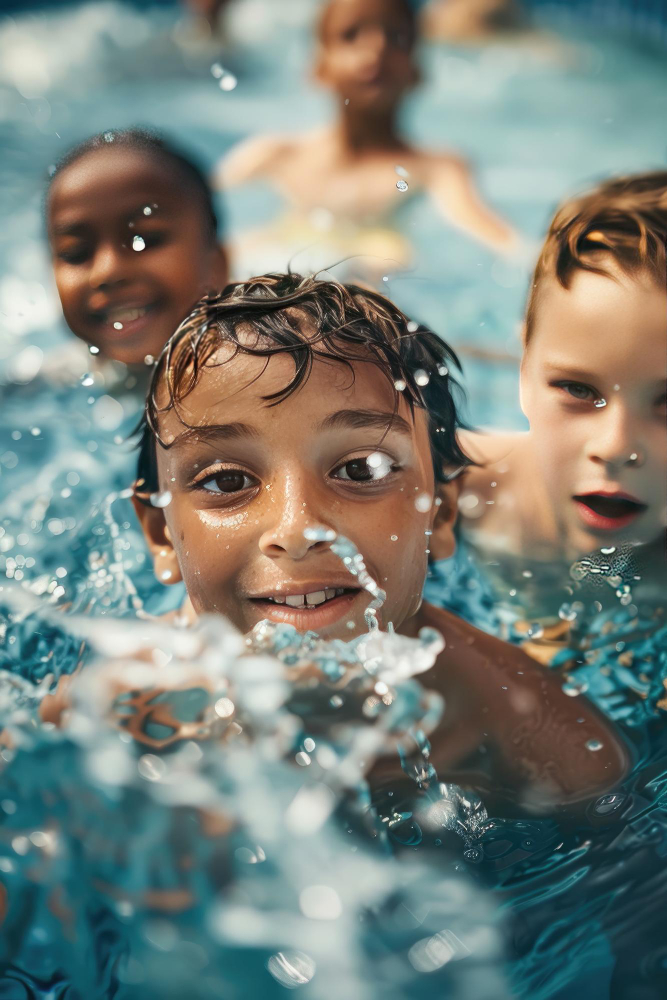 s Buy Now $95.00. This option is perfect for learners who prefer face-to-face interaction, live demonstrations, and the ability to ask questions in real-time. Our location is easy to reach from Germantown, Frederick, and Baltimore, making it a stress-free trip for individuals or groups. See how other programs adapted pool supervision and response in a California family child care case study.
2. What is blended learning?
Short on time? Our blended option Buy Now $85.00$80.00 lets you complete the classroom portion online at your own pace, then join us for a short in-person skills session. You’ll still get the hands-on practice you need—with the flexibility you want. We can even come to your site for groups! For examples of safe, heat-conscious outdoor activities compatible with supervision plans, see Heat-safe summer activities for preschoolers.
Why choose AidCPR, a ChildCareEd company?
AidCPR is trusted by childcare providers, #educators, and families across Maryland. As a division of ChildCareEd, we focus specifically on the needs of those who work with children. Here's what sets us apart:
-
Certified instructors with real-world experience
-
Modern, updated curriculum following national guidelines
-
Spanish-language options available for blended courses
-
Group training at your location, perfect for childcare centers or summer camps
-
Friendly, supportive atmosphere—no pressure, just learning
How will this training stay with you?
Completing pediatric CPR and first aid training is more than just checking a box—it’s equipping staff with competence and confidence to act. Read how programs have used these trainings to raise community safety in First Aid and CPR: An Investment in Community Safety and why many centers prioritize training in 10 Reasons to Take Pediatric First Aid and CPR.
Emergencies are unpredictable. Your response shouldn’t be.
What are the key takeaways and next steps?
Key takeaways: Pediatric-specific CPR and first aid training differs substantively from adult-only instruction, equipping caregivers with the clinical recognition skills, age-appropriate interventions, and situational judgment required for infants and young children. Layered prevention — combining environmental controls, active supervision, and documented emergency plans — measurably reduces incident likelihood. Completing a blended or in-person pediatric first aid and CPR/AED course supplies both conceptual frameworks and practiced psychomotor skills that programs can operationalize through orientation, written protocols, and regular drills. As immediate next steps, adopt at least one additional prevention strategy for your site, document it in the summer emergency plan, and verify staff competency through a skills check during your program's standard orientation period.
How should I summarize what to do next?
Use this concise action plan to convert the guidance above into program practice:
- Identify and adopt one new prevention measure for your site (for example, a designated water-watcher protocol or shaded cooling stations).
- Document the change in your summer emergency plan and share it with all staff and substitutes during orientation.
- Schedule and document a short skills verification (CPR/choking drills) for all staff within your program's next routine training cycle.
