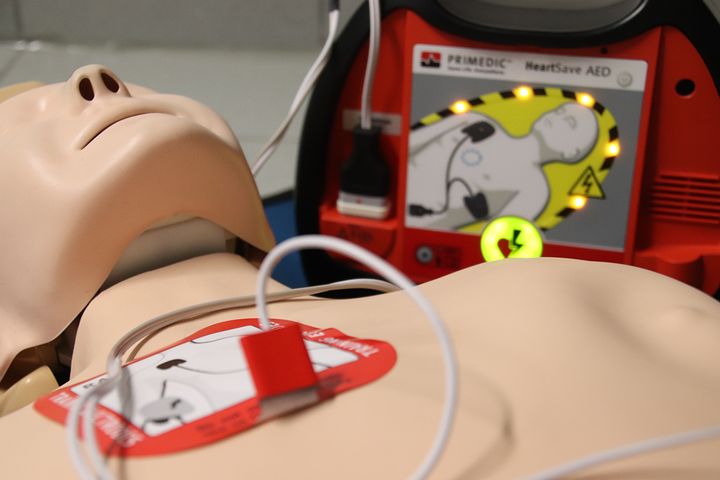
Winter is a time when environmental hazards and constrained mobility increase the likelihood of medical incidents; it is therefore an opportune period for childcare professionals to acquire or renew cardiopulmonary resuscitation (CPR) competencies. For daycare providers, classroom educators, clinical staff, and family caregivers, formal pediatric CPR training is an integral element of program-level risk mitigation and emergency preparedness. ChildCareEd's Pediatric Blended First Aid & CPR/AED Buy Now $85.00$80.00 and the CPR & AED Adult, Child, Infant - Blended Buy Now $85.00 are pediatric-focused options that pair self-paced eLearning with a concise, verified in-person skills assessment to confirm hands-on competence.
This January, AidCPR is making it even easier to learn or re-certify in #CPR with $20 off any CPR course. Our blended training options allow you to complete most of the coursework from the comfort of your home, combining flexibility with thorough, high-quality instruction. Here’s why CPR is critical and how AidCPR can help you gain this invaluable skill this winter.
Why is CPR training essential for people who care for children?
When caring for children, emergencies can happen in an instant. Kids are curious, adventurous, and often fearless, which makes them more susceptible to choking, injuries, and sudden health crises. A child's survival during a cardiac or respiratory #emergency often depends on how quickly and effectively CPR is administered. See Why Pediatric First Aid Training is Crucial for Daycare Providers for role-specific curriculum and skill priorities.
1. Children Are Not Miniature Adults
Pediatric anatomy and physiology—smaller airway diameter, increased chest-wall compliance, and differing cardiovascular reserve—alter both assessment priorities and intervention thresholds. Pediatric-focused CPR instruction trains caregivers to apply age-appropriate compression depths, ventilation strategies, and choking-management techniques, thereby improving the likelihood of favorable physiological and neurological outcomes when minutes count.
2. Immediate Action Saves Lives
The American Heart Association (AHA) documents that cardiopulmonary resuscitation administered in the minutes immediately after cardiac arrest substantially increases survival probability. In congregate child-care settings, prompt, skilled bystander intervention frequently determines both survival and neurological outcome.
3. Building Confidence During High-Stakes Moments
Structured CPR education cultivates procedural fluency and cognitive frameworks that enable caregivers to execute algorithms methodically under acute stress and to coordinate an effective team response until advanced medical assistance arrives.
What Is Blended CPR Training?
Blended CPR training combines the best of online and in-person learning. At AidCPR, this approach is designed for convenience without sacrificing the quality of your training. Here’s how it works:
-
Online Coursework: Learn foundational CPR skills, theory, and protocols through engaging, interactive modules you can complete at your own pace.
-
In-Person Skills Session: Once you finish the online portion, you'll participate in a hands-on session to practice and demonstrate your skills under the guidance of a certified instructor.
The blended model conserves instructional and staffing resources while preserving standardized assessment of psychomotor competence. Learners typically complete modular eLearning that emphasizes clinical decision-making and pediatric technique, followed by a supervised, time-limited skills verification session—commonly 30–60 minutes—during which they must demonstrate psychomotor proficiency, coordinated team response, and correct AED operation. See (UNMC: Blended Courses) for an authoritative overview of hybrid course structure and typical skills-test duration.
Benefits of Choosing AidCPR’s Blended CPR Training This Winter
1. Learn from Your Cozy Home
Winter weather can make travel challenging. AidCPR’s blended training allows you to complete the bulk of your coursework without stepping outside. Stay warm, grab a cup of tea, and work through the modules at your convenience.
2. Flexible Scheduling
Life is busy, and schedules are tight. Our online portion can be completed anytime, making it ideal for working professionals and busy parents. For the hands-on session, we offer multiple dates and locations, including our Gaithersburg, MD center, or even your workplace for group training. For tips on maintaining certification during peak schedules and holidays, see CPR Preparedness During Busy Holiday Schedules.
3. Stay Certified with Ease
Whether you're getting certified for the first time or renewing your credentials, our blended format makes the process straightforward and stress-free. AidCPR meets all requirements for childcare providers, teachers, and healthcare professionals.
4. Confidence in Quality Training
AidCPR courses are taught by experienced instructors who follow HSI guidelines. You'll gain the skills and confidence needed to handle real-life emergencies effectively.
5. A Lifesaving Skill for All Seasons
CPR training isn’t just valuable during winter—it’s a skill that protects lives year-round. Emergencies don’t take a holiday, and being prepared ensures you’re ready whenever and wherever you’re needed.
How does CPR provide lifesaving benefits?
Learning CPR isn't just about fulfilling a professional requirement—it’s about making a real difference in people’s lives. Here are some compelling reasons to make CPR training a priority this winter: For further discussion of first-aid competencies and the empowerment of caregivers, see First Aid & CPR ~ Empowerment Through Lifesaving Skills. Also review Winter Safety: Hypothermia, Slips, and Indoor Play Injuries for operational precautions during cold weather. For authoritative winter-preparedness guidance and first-aid resources, see the American Red Cross: Steps to Help Keep You Safe.
1. Be a First Responder in Emergencies
By the time professional help arrives, the first few minutes are critical. Performing #CPR can help maintain blood flow to vital organs, giving the person a fighting chance.
2. Prevent Brain Damage
Brain cells begin to die within minutes of oxygen deprivation. CPR helps maintain oxygen circulation, reducing the risk of severe brain damage.
3. Gain Skills That Empower You
Whether you’re a daycare provider responsible for multiple children or a parent caring for your own, knowing CPR empowers you to protect those around you.
4. Create Safer Environments
The more individuals trained in CPR, the safer our communities become. By completing your training with AidCPR, you contribute to a culture of preparedness and safety.
Why Winter Is the Perfect Time to Get Certified
Winter is often a quieter time, making it ideal for self-improvement and skill-building. With blended CPR training, you can use the season to prepare yourself for emergencies without sacrificing comfort or convenience. And with $20 off any CPR course this January, there’s never been a better time to act.
Ready to Learn CPR? Start Your Training with AidCPR Today!
At AidCPR, we understand the unique challenges faced by childcare providers, teachers, and healthcare professionals. Our CPR courses are tailored to meet your needs, offering:
-
Pediatric-focused CPR techniques.
-
Blended learning options for maximum flexibility.
-
Convenient skills sessions in Gaithersburg, MD, or at your workplace.
This winter, make a commitment to yourself and those in your care. Sign up for CPR training with AidCPR, and gain the skills, confidence, and peace of mind that come with being prepared for emergencies. If you are aligning training with academic or program cycles, see Getting Ready for the New School Year: Prioritizing Safety with First Aid and CPR Training for planning ideas and timelines.
Stay warm, stay safe, and make a lifesaving difference today. Visit AidCPR to learn more and register for your blended CPR training course. Don’t forget to use the January special for $20 off any CPR course!
Don’t wait until it’s too late—invest in yourself and the safety of those you care for. Get started with AidCPR today!
Summary: What should childcare providers remember?
Key takeaways: Childcare administrators and direct-care practitioners should prioritize pediatric-specific cardiopulmonary resuscitation and first-aid curricula that incorporate verified, hands-on skills assessment to ensure competence under emergency conditions. ChildCareEd provides both blended eLearning-plus-skills pathways and fully in-person verification options—see our Pediatric Blended First Aid & CPR/AED Buy Now $85.00$80.00, the CPR & AED Adult, Child, Infant - Blended Buy Now $85.00, and the Pediatric In-Person First Aid & CPR/AED Buy Now $95.00 course for complete hands-on verification. Because acceptance of any course for licensing or employer compliance varies by jurisdiction and program type, confirm eligibility with your state licensing agency or program administrator prior to relying on a single course for compliance. For guidance on health-and-safety curriculum content, see What should child care providers learn in Child Care Health and Safety Training?
- Give the Gift of Life This Holiday: Take CPR Training with AidCPR
- First Aid and CPR: An Investment in Community Safety
- AidCPRProcess
- Save Lives with Ease: Take Your BLS Training with AidCPR this Heart Month!
- Tiny Lives, Big Emergencies: How CPR Can Save Children in Critical Moments
- Shakes, Drops & Teacher Superpowers: Handling Seizures and Emergencies in Your Classroom
- CPR Preparedness During Busy Holiday Schedules
- Top 10 Child Care Injuries and How Aid CPR Training Helps
- Winter Safety: Hypothermia, Slips, and Indoor Play Injuries
- After CPR: What to Do Next (Until EMS Arrives and After They Leave)
