Daycare providers perform both custodial and pedagogical functions and must also be prepared to deliver immediate clinical interventions when a child’s health or safety is compromised. Families entrust providers with children’s welfare during care hours; accordingly, maintaining current competency in pediatric First Aid and CPR is a professional obligation and an element of organizational risk management. ChildCareEd’s Pediatric In-Person First Aid & CPR/AED Buy Now $95.00 and Pediatric Blended First Aid & CPR/AED Buy Now $85.00$80.00 courses address the resuscitative and first-response competencies most relevant to early childhood settings. AidCPR’s in-person and blended programs provide comparable curriculum and practical skill development (see ChildCareEd’s summary of AidCPR offerings: Be a Lifesaver).
This article examines why pediatric First Aid and CPR training is essential for #daycare providers, summarizes the benefits of training with AidCPR, and explains how such training aligns with professional regulatory obligations and occupational risk management.
1. Why Do Daycare Providers Need First Aid and CPR Training?
Working with young children exposes providers to a distinct constellation of hazards that require anticipatory risk management: playground falls, mealtime airway obstructions, and occult injuries can present rapidly and with atypical clinical signs, and without competent, timely intervention even apparently minor events may progress to critical emergencies.
- Children Are Vulnerable: Children’s airways are smaller and more susceptible to choking, their bodies react differently to injuries, and they often can’t communicate effectively about how they feel.
- Emergencies Are Unpredictable: Accidents can happen anywhere—on the playground, in the #classroom, or even during nap time. Knowing what to do in the first few minutes can save a child’s life.
- Confidence Under Pressure: Proper training prepares you to remain calm and respond appropriately, even in high- #stress situations.
Many states require daycare providers to maintain current First Aid and CPR certification as part of licensing or accreditation. These certifications typically need renewal every two years, making it not just a good idea but a professional obligation.
2. What Are the Benefits of Training with AidCPR?
Choosing where to complete your First Aid and CPR training is just as important as the decision to get certified. AidCPR offers tailored solutions for busy daycare providers, with both in-person and blended training options.
What Does the Comprehensive Curriculum Cover?
AidCPR’s training covers essential topics such as:
- CPR for adults, children, and infants
- Choking relief techniques
- Using an automated external defibrillator (AED)
- Basic first aid for common injuries and illnesses
- How to call for help and interact with #emergency responders
This thorough approach ensures you’re ready for any emergency scenario that might arise in a childcare setting.
How Does AidCPR Offer Convenience and Flexibility?
AidCPR understands the demands of a daycare provider’s schedule. That’s why we offer two convenient training formats:
- In-Person Training: Perfect for those who prefer hands-on, instructor-led learning in a classroom setting. In-person sessions offer immediate feedback and the chance to practice life-saving skills with expert guidance.
- Blended Training: Combines online coursework with an in-person skills session. You complete the academic portion at your own pace, then attend a short, hands-on practice session to demonstrate your skills.
Both formats allow you to earn the same certification while accommodating your busy schedule.
Who Teaches the AidCPR Courses?
AidCPR’s instructors are experienced professionals who specialize in teaching life-saving techniques. They understand the challenges daycare providers face and tailor their training to ensure practical, real-world application.
How Does Hands-On Practice Build Confidence?
AidCPR emphasizes deliberate, hands-on rehearsal in which learners execute core psychomotor skills—CPR compressions, ventilations, and choking maneuvers—under instructor supervision until objective performance criteria are met; such distributed practice fosters durable motor learning, reduces cognitive load during an actual event, and enhances team-based emergency coordination. (For program details and availability, see ChildCareEd’s overview of AidCPR offerings: Be a Lifesaver.)
How does AidCPR fit a daycare provider’s schedule? AidCPR’s blended and in-person delivery models are configured for professionals with constrained time. The blended format permits completion of the didactic portion asynchronously, followed by a concise in-person skills assessment; the in-person format delivers structured, instructor-led practice and immediate feedback. Both formats culminate in the same completion documentation and accommodate group trainings at workplace sites.
3. What Are the Benefits of First Aid and CPR Certification for Daycare Providers?
How Does Certification Help Protect the Children in Your Care?
Your primary responsibility as a daycare provider is to keep the children in your care safe. First Aid and CPR training equips you with the skills to respond effectively to:
- Choking incidents
- Severe allergic reactions
- Falls and head injuries
- Burns, cuts, and scrapes
- Sudden cardiac arrest
How Does Certification Enhance Your Professional Credibility?
Parents place immense trust in daycare providers. Being certified in First Aid and CPR not only reassures #parents that their children are in capable hands but also sets you apart as a professional dedicated to safety.
How Does Certification Help You Meet Regulatory Requirements?
Many states require First Aid and CPR certification as part of daycare licensing. Failing to maintain certification could jeopardize your license and your ability to care for children legally.
How Can You Foster a Culture of Safety?
By staying current with your training, you set a strong example for others in your workplace. Encouraging fellow staff members to train or renew their certifications can create a safer environment for everyone.
How Will Certification Prepare You Outside Work?
Emergencies don’t only happen during daycare hours. Your training will prepare you to act confidently in any situation, whether at work, home, or in the community.
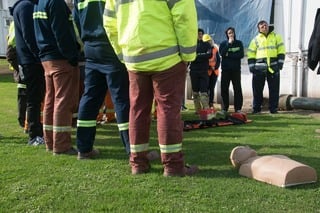
4. How Does AidCPR Fit a Daycare Provider's Schedule?
Daycare providers are busy professionals, juggling countless responsibilities. AidCPR’s flexible training options are designed to work around your schedule, making it easier than ever to stay certified.
- Blended Training Option: This format is ideal if you have limited time during the day. Complete the online portion at your own pace, then schedule a short skills session to finalize your certification.
- In-Person Training Option: If you prefer a structured learning environment, AidCPR’s in-person classes provide direct access to instructors who can answer your questions and guide you through hands-on practice.
5. Why Is It Important to Stay Current with Certification?
First Aid and CPR certifications are typically valid for two years (see an example of course and recertification guidance). It’s important to renew your training before it expires to:
- Stay up-to-date on the latest guidelines and techniques.
- Retain your muscle memory for performing CPR and other skills.
- Ensure compliance with daycare licensing requirements.
6. How Do I Get Started with First Aid and CPR Training?
Signing up for a First Aid and CPR course with AidCPR is simple and stress- #free. Here’s how:
- Visit AidCPR’s website or browse ChildCareEd's Pediatric In-Person First Aid & CPR/AED Buy Now $95.00 and CPR & AED Adult, Child, Infant - Blended Buy Now $85.00 course pages to find the format that works best for you.
- Register online
- Complete your training and receive your certification, knowing you’re better prepared to protect the children in your care.
What ChildCareEd articles can help me learn more?
- CPR Labor Day Weekend Sale ~ Prepare for the New School Year with Pediatric First Aid and CPR
- Pediatric First Aid and CPR Training with ChildCareEd - Empower Yourself!!
- Why Should Texas Early Childhood Educators Get CPR and AED Training?
- Daycare Teacher Certification Requirements in Georgia
- In-Home Daycare Requirements in Texas
- What training do I need to run a safe and legal home daycare?
Conclusion: What Are the Key Takeaways?
Daycare providers assume a primary responsibility for the health and safety of young children; investing in pediatric First Aid and CPR training with AidCPR or equivalent, evidence-based programs ensures both regulatory compliance and the acquisition of pragmatic clinical skills necessary to intervene effectively in emergent situations.
Select the training modality that aligns with your professional obligations and personal constraints, and verify recertification timelines to maintain continuous compliance. Families place profound trust in providers’ competence; structured, recurrent training sustains that trust and materially improves preparedness for critical events.
Act proactively to mitigate risk: register through AidCPR (https://www.aidcpr.com/) or an approved provider to secure current certification and demonstrate your commitment to safety in the environment where you work.
- Why Pediatric First Aid Training is Crucial for Daycare Providers
- Give the Gift of Life This Holiday: Take CPR Training with AidCPR
- First Aid and CPR: An Investment in Community Safety
- AidCPRProcess
- Got CPR and A Well-Stocked First Aid Kit?
- Become the Hero Every Parent Trusts: Take Pediatric First Aid & CPR with AidCPR Today!
- Save Lives with Ease: Take Your BLS Training with AidCPR this Heart Month!
- CPR Training: Because Glue Sticks Can’t Fix Everything!
- 🚨 Emergencies Don’t Make Appointments!
- 🌞 Don't Let Summer Fun Turn Scary — Be CPR Ready with AidCPR!
- Camp-Ready & CPR-Certified: Be Prepared for Every Summer Adventure
- ❤️Goldfish, Glue Sticks & 911: Why CPR & First Aid Is Non-Negotiable for Childcare Providers
- Little Lives, Big Responsibility: Are You Ready to Save a Child’s Life?
- ❤️Then & Now: How CPR Has Evolved Over the Years
- 🫁Lifesaving Made Simple: How Easy It Is to Get CPR & First Aid Certified with AIDCPR
