 Cardiac emergencies don’t just happen to adults. Children—especially those with underlying health conditions, physical trauma, or sudden illness—can go into cardiac arrest too. When every second counts, would you know what to do?
Whether you're a #parent, #teacher, #daycare provider, or camp counselor, knowing Pediatric First Aid and CPR could mean the difference between life and death. AidCPR, a ChildCareEd company, offers blended and in-person training options that prepare you to act confidently when it matters most.
Why Do Children Go Into Cardiac Arrest?
While rare, cardiac arrest in children is typically caused by:
-
Drowning or near-drowning incidents
-
Choking on food or small objects
-
Severe allergic reactions (anaphylaxis)
-
Respiratory issues like asthma
-
Undiagnosed heart conditions
Unlike adults, pediatric cardiac arrest often begins with breathing problems. That means CPR—especially with rescue breaths—is essential.
🛟 Learn more: About Us
What Happens in a Cardiac Emergency?
Imagine this:
You're supervising playtime at a daycare when a 3-year-old suddenly collapses. They’re unresponsive, not breathing normally, and turning pale. Do you:
✅ Call 911 and begin CPR
❌ Freeze and hope someone else knows what to do?
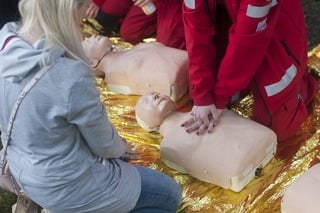
Without proper training, it’s easy to panic. But with Pediatric CPR and First Aid training, you’d know exactly how to check responsiveness, call for help, and begin high-quality CPR—buying critical minutes until emergency responders arrive.
What Skills Will You Learn in a Pediatric CPR Class?
AidCPR's Pediatric First Aid and CPR course covers:
-
How to perform CPR on infants, children and adults
-
How to use an Automated External Defibrillator (#AED)
-
How to respond to choking and breathing emergencies
-
Recognizing signs of cardiac arrest or respiratory distress
-
How to control bleeding and respond to common injuries
-
How to remain calm and confident during emergencies
🎯 Training is easy to follow, hands-on, and designed specifically for childcare providers, teachers, and parents.
🧠 Fun Fact: CPR can double or triple a child’s chance of survival during cardiac arrest when administered quickly.
Who Should Take Pediatric CPR and First Aid?
If you care for children in any capacity, CPR training is essential. That includes:
-
Daycare providers
-
Preschool and school teachers
-
Summer camp staff
-
Babysitters
-
Coaches and after-school staff
-
Parents and guardians
-
Nannies and au pairs
💡 Pro tip: In some states, CPR and First Aid certification is required for licensing or employment in childcare settings.
🌐 Check your local regulations
Why Choose AidCPR by ChildCareEd?
AidCPR offers:
-
In-person classes in Gaithersburg, MD (near Rockville, Columbia, and Frederick)
-
Blended options (online learning + in-person skills session)
-
On-site group training for schools, camps, or centers
-
Friendly instructors who make learning easy and low-stress
-
Affordable pricing, including monthly specials (📢 $10 OFF this month!)
📍 We're local and flexible. Let us come to you!
📆 View our Upcoming Pediatric CPR Classes Buy Now $95.00$85.00
Make This Summer Safer—Start Today
With warmer months come more outdoor activities, water play, and unpredictable moments. Are you prepared?
☀️ Summer is the perfect time to refresh or earn your CPR certification. AidCPR Buy Now $95.00$85.00 is offering $10 OFF all Pediatric CPR classes in June.
👶 CPR saves lives. Whether you're watching toddlers by the pool, teaching preschool, or managing #summer camp, being certified is a game-changer.
How to Register for Pediatric CPR
It’s easy to get started with AidCPR:
-
Visit www.AidCPR.com
-
Choose a class type (blended or in-person)
-
Pick a convenient date or schedule a group session
-
Register online or call us for help
-
Show up ready to learn and save lives!
📱 Follow us for CPR tips, class dates, and #safety inspiration:
Don’t Wait for an Emergency to Learn What to Do
Children depend on adults to keep them safe. When the unthinkable happens, your training will kick in and you’ll be ready. Don’t Let Summer Fun Turn Tragic: Learn CPR & First Aid Before Pool Season!
⭐ Be the person who knows what to do. Be the person who saves a life.
🩹 Sign up today for Pediatric First Aid and CPR with AidCPR
#CPRsaveslives #PediatricFirstAid #ChildCareSafety
